Catherine Saez

Catherine Saez

Authors: Fair Dealing In Copyright Law If Ill-Defined Is Prejudicial To Writers
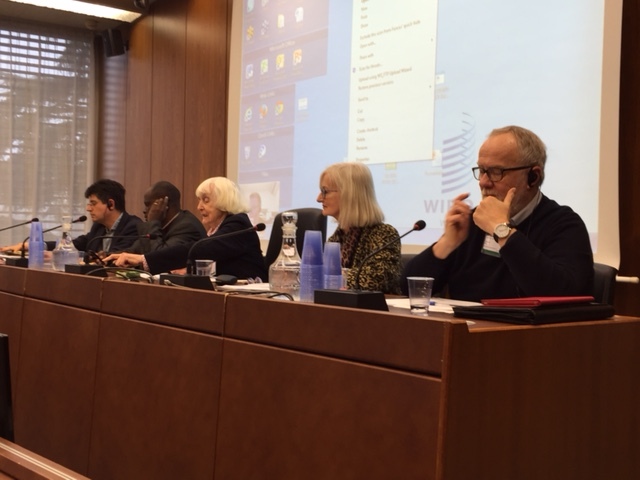
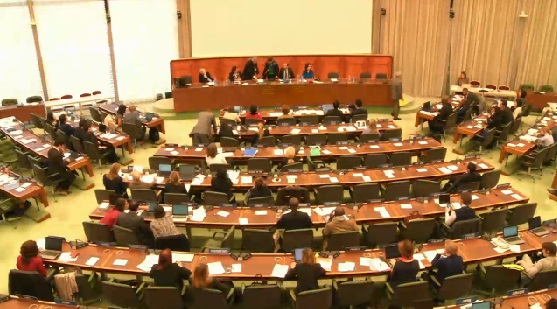
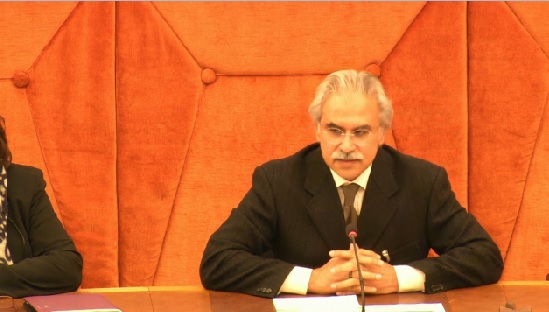
On the side of this week’s World Intellectual Property Organization Standing Committee on Copyright and Related Rights (SCCR), the International Authors Forum held a side event on 7 December. Speakers underlined the importance of copyright for authors so that they can make a living from their writing, and warned about ill-defined fair use in copyright law.

Report: Ebola Distracted Global R&D Funding For Neglected Diseases; Public Funding At Low

A newly issued report provides the “first ever” picture of global investment in Ebola research and development. The report found that investment in Ebola might have come at the expense of other funding to develop drugs, vaccines and diagnostics for other neglected diseases. The report also found that public funding on research and development for neglected diseases was at its lowest in years.

Interim WIPO Copyright Head Steps In As Members Resume Talks On Broadcasting Treaty, Exceptions

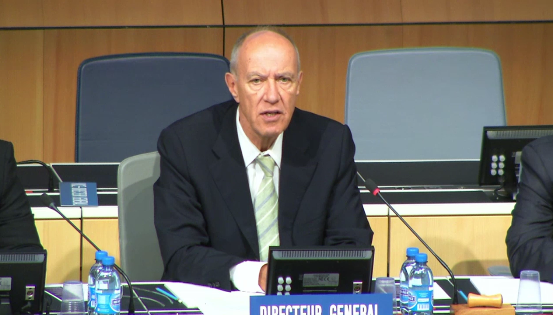
The World Intellectual Property Organization committee on copyright opened today with an agenda of a potential treaty to protect broadcasting organisations against piracy, and copyright limitations and exceptions for libraries, archives, educational and research institutions, as well as for persons with disabilities other than visual impairment.

No Future Work Programme For WIPO Patent Law Committee; Questions On Development Orientation

Two days of informal consultations last week did not bring World Intellectual Property Organization members to agreement on a work programme for the next session of its committee on the law of patents. Developed and developing countries have different views on the work of the committee, with developing countries seeking work on patent on health, and limitations and exceptions to patent rights, while developed countries are more interested in work-sharing between patent offices and protecting the confidentiality of information between patent advisers and their clients.

Speakers At WIPO Diverge On Patents-Access Relationship; Biologics A Challenge For Generics

A seminar on patents and availability of medicines in developing countries yesterday considered whether patents constitute a barrier to access. For the private sector, patents are essential to the innovation system, for others they maintain high prices and should be licensed for easier access. Beyond patents, biologics seem to be taking over the pharmaceutical industry, and the complexity of manufacturing biosimilars might well leave traditional generic manufacturers by the wayside.

Separately, a side event at WIPO looked at IP management strategies in private-public partnerships in agriculture and health technologies.

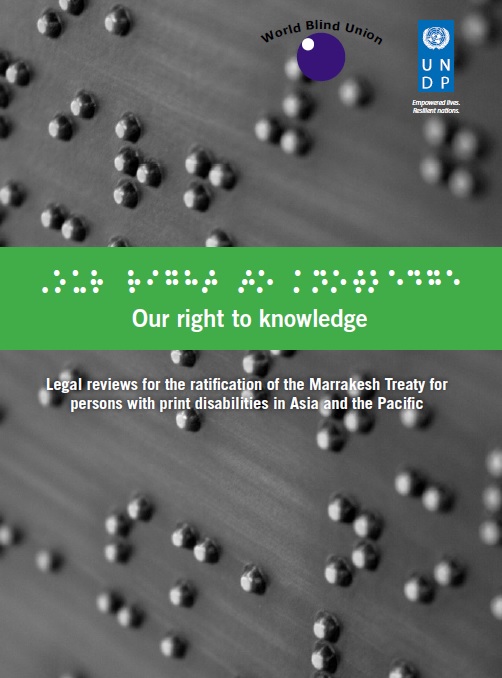
New UNDP-Blind Union Report Helps Asia-Pacific Nations Ratify Marrakesh Treaty

The United Nations Development Programme joined forces with the World Blind Union to prepare a new report aimed at facilitating Asia-Pacific countries’ ratification of a treaty designed to help visually-impaired people access special format books.

New Proposal At WIPO SCCR To Explore Use Of Copyrighted Works In Digital Environment

Latin American and Caribbean countries have tabled a new proposal for next week’s meeting of the World Intellectual Property Organization committee on copyright. The proposal calls for analysing copyright related to the digital environment.

WIPO Patent Law Committee Looks At Access To Medicines, Confidentiality

The World Intellectual Property Organization committee on patent law is meeting this week, including a half-day seminar on the relationship between patent systems and the availability of medicines in developing countries and least-developed countries.

Group Calls On WTO Members To Make Trade Rules Development Compatible

A group of civil society organisations is calling for endorsements of a letter to the World Trade Organization prior to the upcoming Ministerial meeting in December aimed at preventing alleged efforts by rich countries to tighten international trade rules and introduce corporate “wish-list” issues from free trade agreements into the WTO.