Catherine Saez

Catherine Saez

Plant Treaty In 2016: Sustainability Solutions, Farmers’ Rights, Global Information System
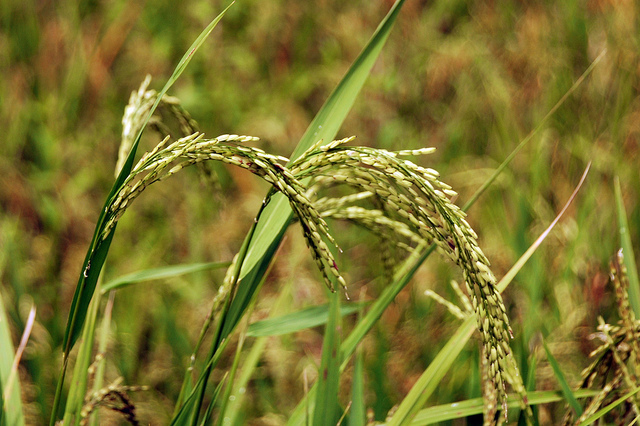
The International Plant Treaty, which established a global system to make available genetic materials for main agricultural crops for farmers, plant breeders and scientists, and in exchange provide a system of benefit sharing, has been struggling to find ways to be financially sustainable for some time. This year, the treaty will work on ways to do that, including in devising a subscription system that would reach a twin goal: avoiding non-payment of voluntary contributions, and ensuring a sustainable and predictable income stream. In addition, a global consultation on farmers’ rights is planned, and work should be ongoing on a global information system allowing more visibility for plant genetic material for food and agriculture.

2016: UPOV Works To Improve Breeders’ Applications, Civil Society Calls For Alternative System

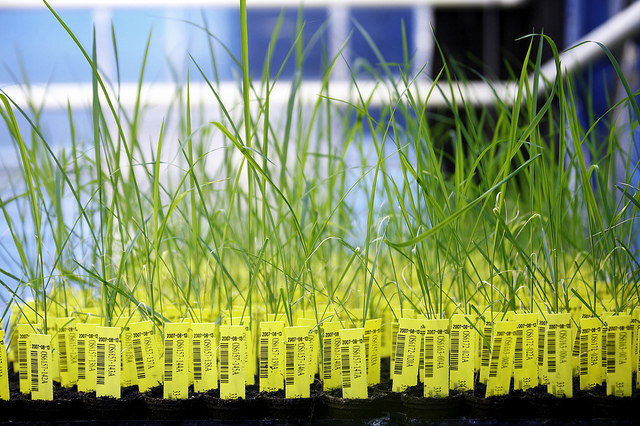
The Geneva-based International Convention for the Protection of New Varieties of Plants (UPOV) provides intellectual property rights protection for plant breeders. In 2016, the organisation is planning to work on systems to facilitate breeders’ applications for new varieties. Meanwhile, civil society is calling for ways to protect plant varieties other than through UPOV, which they see as hindering farmers’ rights.

The Year Ahead In Biotechnology And Intellectual Property

The year 2016 promises to be rich in debates on plant patenting, protection of genetic resources and traditional knowledge, and biopharmaceuticals. Here are some key issues and dates to watch for.

Special Feature: WHO Still On Trail Of New Financing For R&D For Poor Populations’ Medical Needs

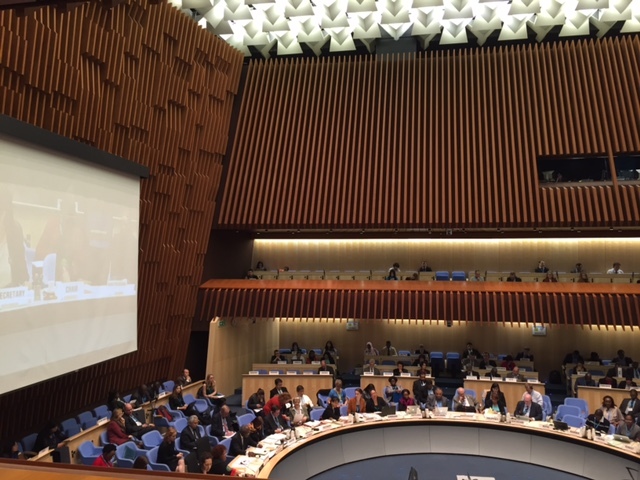
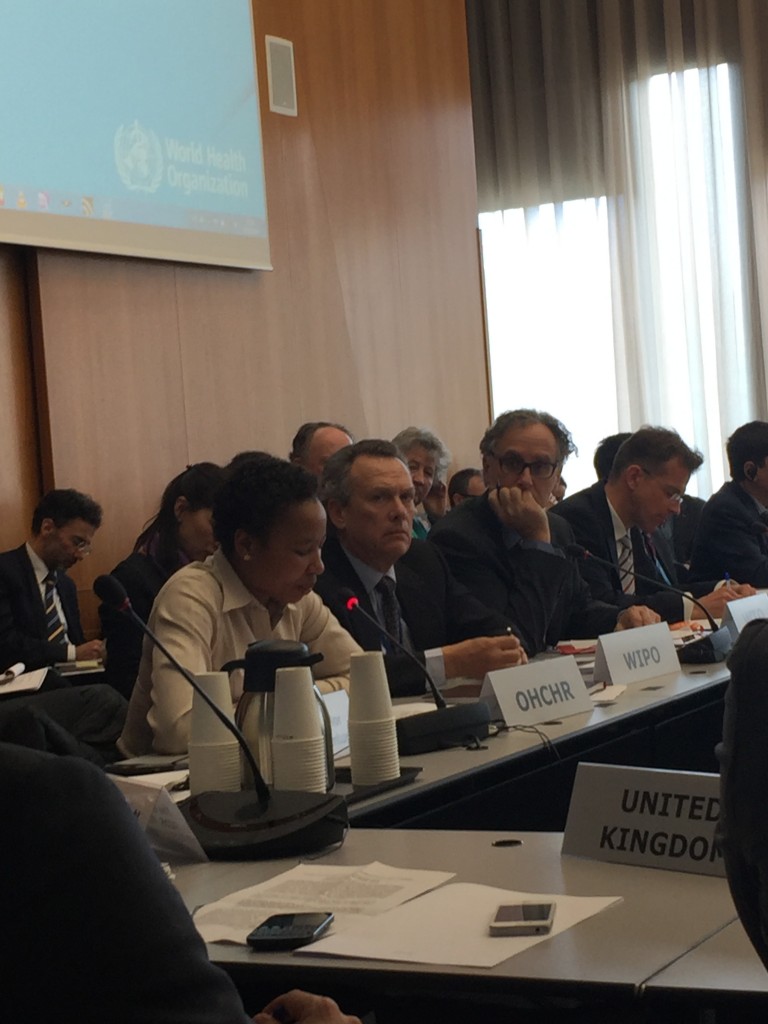
World Health Organization members are expected to meet this spring to assess progress and discuss potential solutions to the lack of financing for research and development for diseases affecting primarily developing countries. The WHO Executive Board last week discussed and noted a report by the WHO secretariat for the preparation of the open-ended meeting. The exact date of the meeting is not certain, according to WHO officials, but would likely be in March or April.

Increasing Shortages Of Medicines Discussed At WHO, To Be Continued In May

There is an increasing shortage of medicines in the world, in particular in developing countries, but not only there, World Health Organization members said in last week’s Executive Board meeting. Discussions are ongoing on potential solutions and the agenda item referring to the issue was left open, to be brought to the World Health Assembly in May.

Last Chance Meeting To Agree On How WHO Engages With Non-Government Actors In April

World Health Organization members last week agreed to meet for a final session in April to discuss the framework regulating the engagement of the organisation with “non-state actors,” such as non-governmental and philanthropy organisations, and the private sector.

Special Feature: UN High Level Panel On Access To Medicines – First Reactions, Process Explained

A high level panel of experts charged by United Nations secretary general to explore solutions to increase innovation and access to medicines in developing countries gave a briefing today to explain the process of the initiative. Intellectual property is often seen as both a barrier to the diffusion of health technologies and an innovation enabler.

WHO Board Debate: High Prices Sow Seeds Of Fake Medicines In Developing Countries

Fake and poor quality medicines are still a growing public health concern particularly in developing countries, according to some World Health Organization members, who said at last week's WHO Board meeting that the problem comes from the unaffordability of medicines and the lack of a strong surveillance system.

Evaluation Starts On WHO Global Strategy For Public Health, Innovation, IPRs

This morning, World Health Organization Executive Board members took note of a report by the WHO secretariat on the evaluation of the organisation’s global strategy and plan of action on public health, innovation and intellectual property. An inception report by the evaluation team was provided to the WHO in December, which has not been shared to the member states, according to the secretariat, although its results are expected to be presented to them in March. In the meantime, key points have been provided.

WHO Discusses Polio, Hepatitis C, Vaccines, Affordability

The World Health Organization Executive Board this week noted a number of reports on communicable diseases, such as poliomyelitis, and vaccines. Developing countries underlined the affordability and accessibility of treatments. The board also agreed on the setting up of an open-ended intergovernmental meeting to come to agreement on the organisation’s governance reform.