Catherine Saez

Catherine Saez

Ideologies Fly In Discussion Of WIPO Pharma Report Calling For Less Ideology
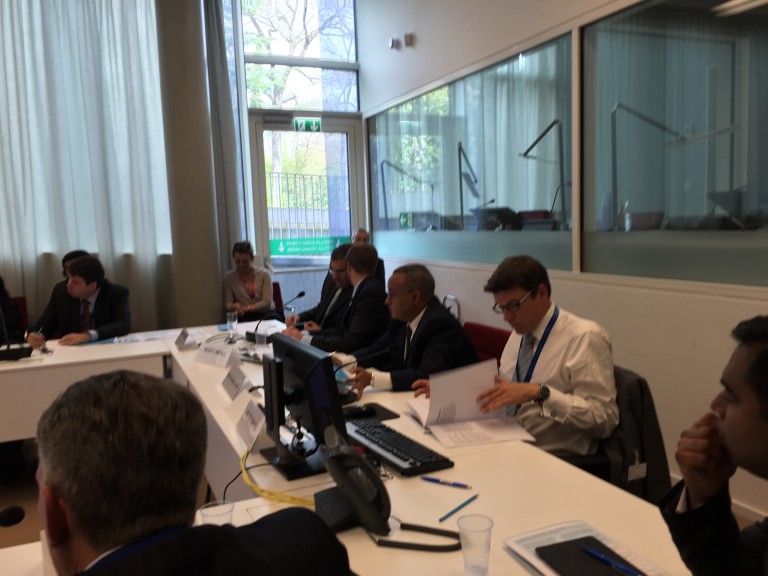
A study commissioned by the World Intellectual Property Organization to analyse which essential medicines on the 2013 World Health Organization Essential Medicines List were under patent found that over 90 percent of medicines on the list were off patent, and advocated more transparency in patent information. The study’s release set off an outcry among public health advocates who viewed the report as biased toward pharmaceutical companies.
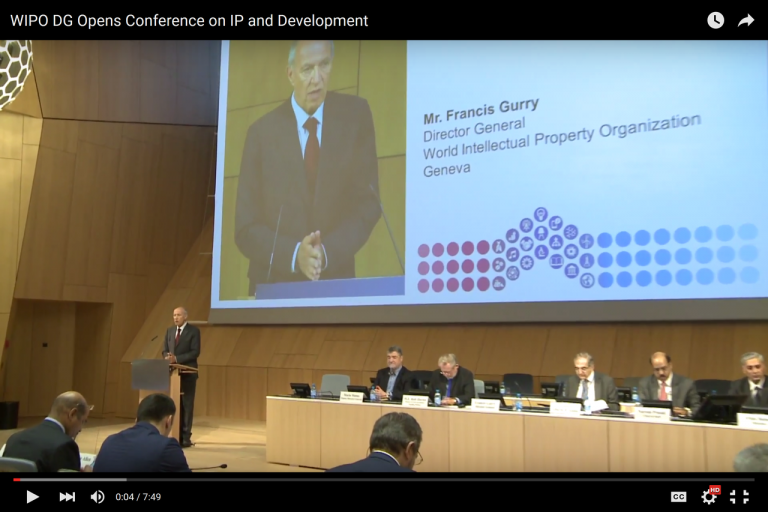

Landmark WIPO Conference On IP And Development Kicks Off

The role of intellectual property in economic, social and cultural development is at the heart of an international conference organised by the World Intellectual Property Organization this week. Today, a diverse range of speakers gave their views on the relationship between IP and innovation and creativity, with some describing in specific examples how IP helped their developing economies. Many speakers insisted on the need for developing countries to have policy space to define an IP system best suited to their development needs.

IP Valuation For Universities, Patent Flexibilities On Tap At WIPO

The World Intellectual Property Organization Committee on Development and Intellectual Property (CDIP) meets next week with a focus on how universities and research institutions can best derive value from their discoveries. Also on the agenda are proposed projects and several documents mapping WIPO development-related activities, such as South-South cooperation. And the action kicks off this week with a wide-ranging conference on IP and development at WIPO.

Review Of WHO Pandemic Flu Preparedness: Data Sequencing And Other Issues

Five years after its adoption, a World Health Organization mechanism to help the world be ready for future influenza pandemics is being reviewed. According to several stakeholders invited to share their views, a major challenge is genetic sequence data, which allows digital reproduction of material. Other issues include the relationship of the mechanism to an international convention on access to genetic resources, and the contribution of industry.

GSK Eases IP Rights For Poorest Countries, Considers Patent Pooling For Cancer

In light of the United Nations Secretary General’s High-Level Panel on Access to Medicines initiative, the GlaxoSmithKline company today announced steps to further help bring innovative medicines to poor countries.

Synthetic Biology: Is Scientific Progress Outrunning Normative Process? Case Of The CBD

A research group announced in March that it has designed the first minimal synthetic bacterial cell. Rapid advances in science seem to be leaving the international normative process lagging behind. Current international instruments are seeking to understand how this new technology will impact their regulatory efforts, while civil society raises high concerns.

WHO: Developing Countries Need Smart IP Systems For Local Medicines Production

The World Health Organization has released a report on the role of intellectual property in local production of medicines in developing countries. According to the report, the way countries design their intellectual property system is key in the development of local innovation and production. However, health outcomes will depend on the accessibility and affordability of good-quality essential medicines.

Biotherapeutic Medicines, A New Frontier, Face Regulatory Issues

Biotherapeutic medicines, engineered by living organisms, have opened a promising path to treat major diseases. Near copies of these medicines, called biosimilars, are slowly coming to market, as the originator products become free of intellectual property rights or data protection.

However, some regulatory issues are left to be addressed, in particular in developing countries, according to the pharmaceutical industry and the World Health Organization. For patients, information on those products and their affordability are key, said a patient group representative.

UN High-Level Panel: Ideas For Change To Global Health And IP System Proliferate

Public health advocates, academics, patients, governments and others this week presented further ideas to the United Nations Secretary-General’s High-Level Panel on Access to Medicines on ways to break the longstanding pattern of expensive medical products around the world as a way to pay for research and development.

Asian Voices On Access to Medicines: Scrap TRIPS, Voluntary Licences Not Working, FTA Threats

Speakers from Asian civil society provided recommendations to the public hearing of the United Nations Secretary General’s High-Level Panel on Access to Medicines held yesterday. They underlined the unaffordability of medicines in their countries, the inefficiency of current mechanisms such as voluntary licensing, and the pressure applied by pharmaceutical companies and the United States and Europe to prevent the use of compulsory licences. One speaker warned against the expert advice given by the World Intellectual Property Organization to least-developed countries, while others pointed to stringent intellectual property measures in free-trade agreements.