Catherine Saez

Catherine Saez

Switzerland Champions Disclosure Requirement In Patents, Counters US Interpretation

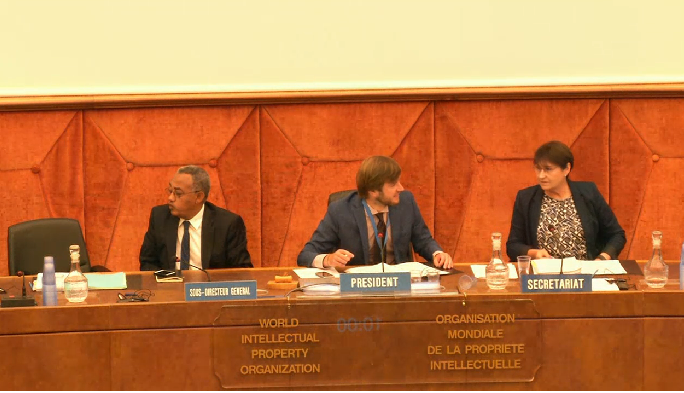
The government of Switzerland has issued a defence of its national law on disclosure of origin of genetic resources in patent applications, finding fault with the interpretation of its law by the United States. The Swiss response comes on the eve of a World Intellectual Property Organization meeting on related issues.

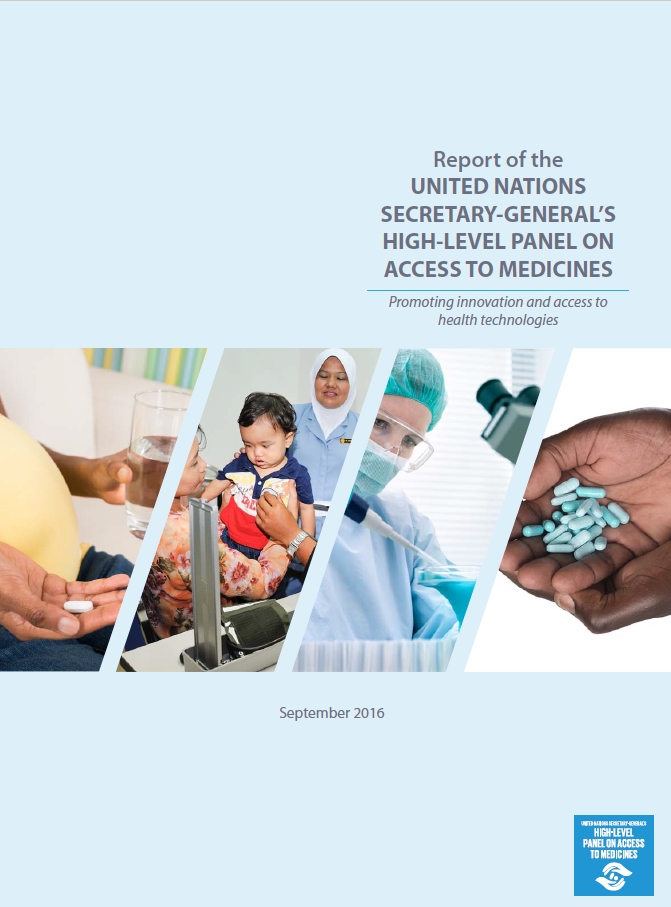
UN High-Level Panel On Access To Medicines Issues “Landmark” Report

The long-awaited report by the United Nations High Level Panel on Access to Medicines was released today, making many recommendations. The panel calls for countries to embrace the policy space available in the World Trade Organization intellectual property rules, and invest more in health. It also calls for negotiation of a binding international treaty on research and development, delinking prices from R&D costs, greater transparency in drug pricing, public health impact assessments in free trade agreements, and encouragement to better use international legal tools available to countries to ensure affordable medical products. And it lays out the path ahead, calling for several new bodies to be created to take recommendations forward. [Note: story is being continuously updated during the day, now adding industry response]

Judge’s Opinion That EU Is Competent To Ratify Marrakesh Treaty Might Break Standstill

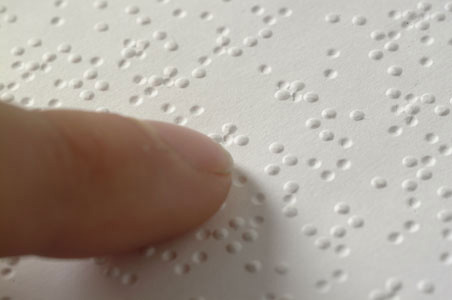
The European Union has exclusive competence to ratify the Marrakesh Treaty on copyright exceptions for visually impaired people, the advocate general of the Court of Justice of the EU has found. This conclusion, which was well-received by representatives of the visually impaired, could speed up the ratification of the treaty by the EU.

IP Judges In Developing Countries Hand-Tied By Local Laws, Justice Says

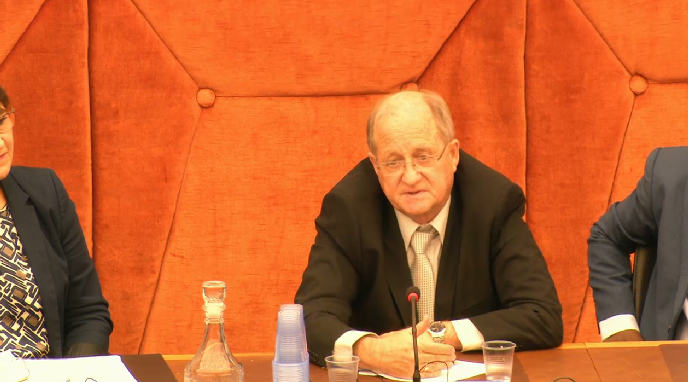
Enforcement of intellectual property rights can be unbalanced in developing countries because local laws are crafted in a way that makes it difficult for judges to bring balance in their rulings, a former justice from South Africa told the World Intellectual Property Organization last week.

Canada’s Anti-Counterfeiting Chargeback Project: Paying Back Deceived Consumers

A Canadian initiative to fight online counterfeiting and piracy that enables deceived consumers to get their money back is yielding results, a Canadian official said last week. Project Chargeback means to cut the profit margin of counterfeiters on the internet, and supplement legal recourse for right holders.

WIPO Enforcement Committee To Discuss National Experiences In 2017

The enforcement of intellectual property rights - how they are enforced and by whom - is left to countries' discretion. Members of the World Intellectual Property Organization committee on enforcement shared experiences this week on how they raise awareness about IP, their IP enforcement policies and regimes, and capacity-building in relation to WIPO training activities. And at the end of the session, delegates decided to pursue those topics of discussion again in 2017.

A Principle Of Balance: Top Official Explains India’s IP Policy

Adopted in May, the first Indian intellectual property policy brought some concerns that the focus on IP rights might dampen India’s willingness to use the IP flexibilities to safeguard national policy space. It was also perceived by some as giving in to pressure from the foreign pharmaceutical industry for India to strengthen patent protection. However, a high level Indian official in an interview this week said the policy caters to Indian development needs and India is aware of its pioneering role in certain sectors like access to medicines.

Rajiv Aggarwal, Joint Secretary at the Indian Department of Industrial Policy & Promotion Ministry of Commerce & Industry sat down with Intellectual Property Watch’s Catherine Saez to describe how India's IP policy came into being, to what aim, what it is expected to change in the Indian IP landscape, and how Indian is standing fast to its principle of balance.

IP Offices Focus On Educating Younger Population About IP Protection

Intellectual property rights awareness campaigns are increasingly targeting the younger population, as early as primary school, according to several country presentations at the World Intellectual Property Organization enforcement committee this week. WIPO is also developing an Education Took Kit for teachers of children aged 5 to 18. However for some countries, this education should encompass a broader view on IP than only enforcing rights.

WHO Experts Seek To Have Its Flu Framework Recognised Under Nagoya Protocol

Will an international instrument protecting genetic resources get in the way of the world’s preparedness to fend off the next influenza pandemic? This is one of the questions left open for a group of experts reviewing the World Health Organization Pandemic Influenza Preparedness (PIP) Framework. Meanwhile, one stakeholder is claiming to have been denied full and fair participation.

Access And Benefit Sharing Mentioned In US Patent For Natural Dye, Might Be A First

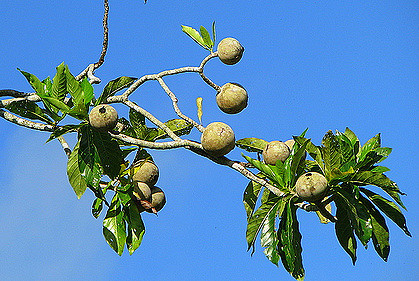
A recent patent granted by the United States Patent and Trademark Office to a Colombian company stated where the genetic resource of the invention was taken from and described the access and benefit-sharing agreement made with indigenous communities. This might be the first time that such a statement appears in a US patent, according to a source.