Catherine Saez

Catherine Saez

Voluntary Sustainability Standards: Virtue Enhancers Or Trade Discriminatory?
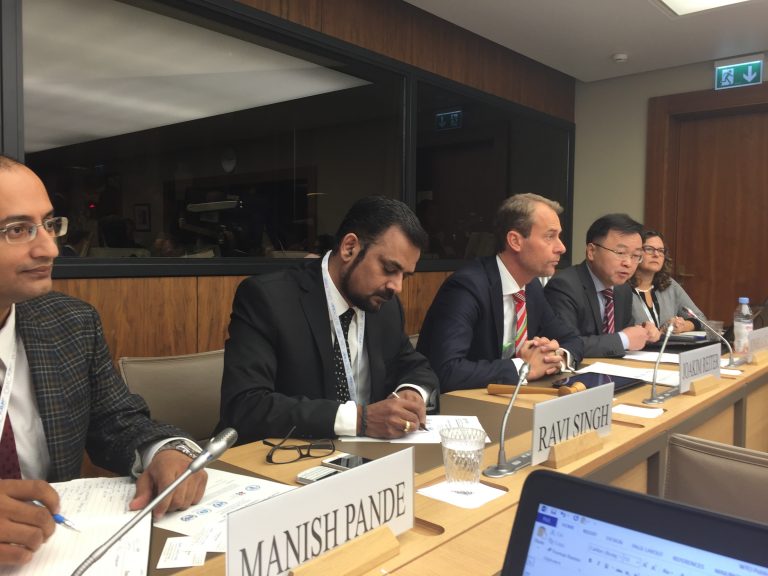
Voluntary standards are seen by some as acting as barriers to trade, in particular for developing countries unable to meet the requirements of those private standards. At the World Trade Organization Public Forum, two panels presented two approaches, one looking at governments' role in voluntary sustainability standards, and launching a report by a multi-agency United Nations initiative on those standards. The other one focused on the challenges private standards can represent for developing countries.
Signs Of Changing Trends In FTAs’ IP Chapters, Speakers Say At WTO

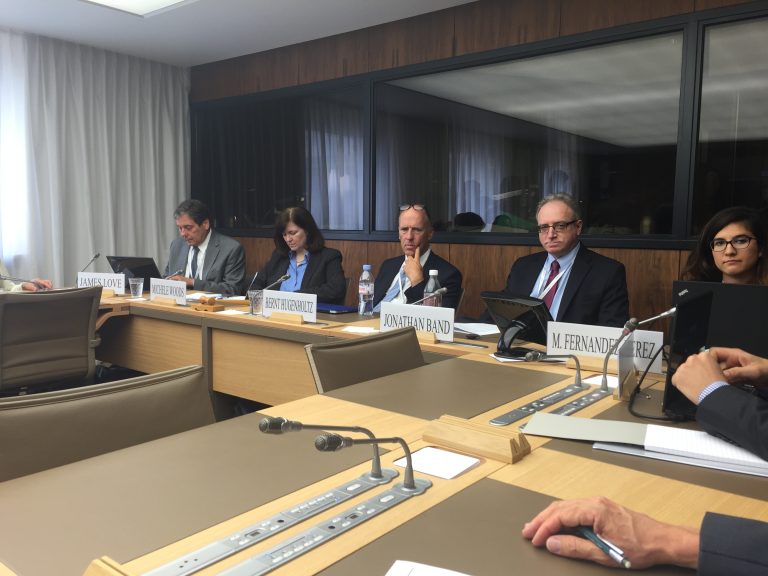
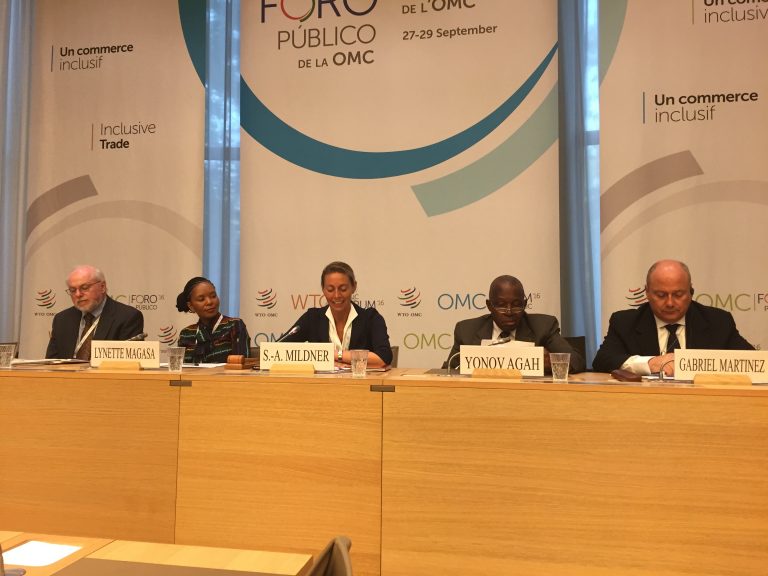
Although the Trans-Pacific Partnership negotiation has raised significant concerns from civil society during negotiations, including about the intellectual property chapter, speakers on a panel during the World Trade Organization Public Forum yesterday said the agreement actually includes a positive provision on copyright, while some other free trade agreements under discussion still include stringent proposals on IP.

Regional Trade Agreements Address Issues Missed By Multilateralism, Speakers Say

Although regional trade agreements are increasing, there is no hiding the fact that they are meeting rising resistance from the public and are difficult to negotiate. At the World Trade Organization Public Forum this week, an industry panel sought to explore how trade agreements could be linked to the WTO process, and if elements of those agreements could be taken on at the multilateral level.

WTO Public Forum Opens Against Gloomy Global Trade Perspectives

The 15th World Trade Organization Public Forum, an annual event that brings together stakeholders and members of the public to discuss trade issues, opened today. This year, the focus is on inclusive trade. During the opening session, participants underlined the need for support of micro enterprises, in particular in developing countries. Also today, the WTO released its trade statistics and outlook for 2016, which announced the slowest pace of trade and output growth since the 2009 financial crisis.

WIPO Traditional Knowledge: Text Passes Committee Approval, Goes To Next Session

World Intellectual Property Organization delegates today agreed on a text compiling divergent views on how traditional knowledge should be protected in the intellectual property system to be forwarded to the next session of its committee on the protection of traditional knowledge. Some clear dividing lines remain, such as traditional knowledge which is widely known and could have been placed in the public domain, or if conditions of eligibility should be part of a potential treaty.

First Revised Articles Of Potential Treaty Protecting TK At WIPO Issued Today

A new set of draft articles of a potential treaty protecting traditional knowledge from misuse and misappropriation was issued this morning. Facilitators of the discussions worked late last night to produce a document with a number of alternative texts, reflecting points of views of member states.

Big Pharma Issues Industry Roadmap On Antimicrobial Resistance

Major pharmaceutical companies today issued a roadmap they said aims to bring solutions to the problem of antimicrobial resistance (AMR). The plan, issued on the eve of the United Nations General Assembly High-Level Meeting on Antimicrobial Resistance, targets environmental impact, use of antibiotics only by those who need them, improved access to medical products, and public-private partnerships.

New Suggestions Under Discussion In WIPO Traditional Knowledge Talks

Delegates at the World Intellectual Property Organization have started trying to better clarify the different positions countries have on the protection of traditional knowledge. Today facilitators to the discussions provided textual suggestions on the objective of a potential treaty, the definition of traditional knowledge, and whom the treaty should benefit.

After Two-Year Hiatus, WIPO Resumes Discussions On Protecting Traditional Knowledge

How can traditional knowledge be protected against misappropriation and who should benefit from this protection is at the heart of discussions at the World Intellectual Property Organization this week. After over a two-year hiatus, WIPO delegates are resuming discussions this week on a potential treaty protecting traditional knowledge. The week’s focus is to find common understanding of core issues, such as the definition of traditional knowledge, and the scope of protection.