Catherine Saez

Catherine Saez

Gene Editing: Fears Lead To Call For Moratorium At CBD, Discussions Ongoing

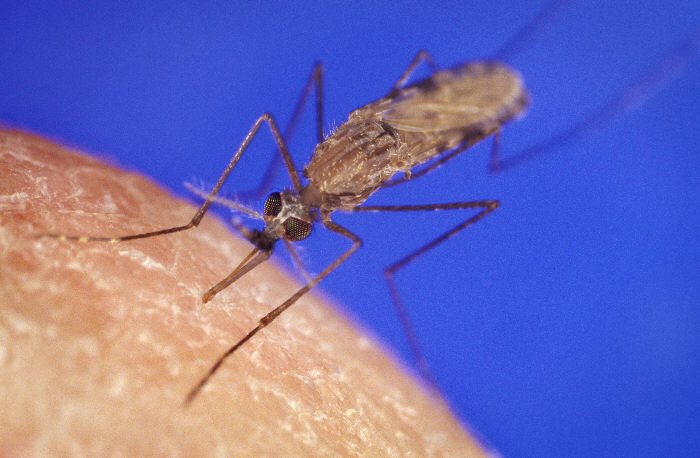
Gene editing techniques have opened the way to a new world of innovations. One of them is the potential eradication of malaria-carrying mosquitoes. What appears as a very attractive way to help with malaria eradication is denounced by civil society groups arguing that the technology is in its infancy. Wiping out entire species could have unforeseen environmental, health, and social consequences, they say. They are calling for a moratorium preventing the release of gene drive organisms in the wild. They also describe the gene drive mosquitoes as a Trojan horse, hiding broader interests of agricultural multinational corporations.
African Civil Society Outcry Over ARIPO’s Closed Decision-Making On Health And IP

As the African Regional Intellectual Property Organization (ARIPO) Administrative Council meets this week, more than 60 civil society groups are calling for greater inclusion and more transparency on access to medicines and diagnostics. Signatories are asking for a review of the Harare Protocol on patents and industrial designs, and raised concern about over-reliance on advice of the United Nations intellectual property agency for decisions affecting broader public health in the region.

Convention On Biological Diversity Biennial Meeting Looks At How New Technologies Will Affect Its Objectives

Member countries of the UN Convention on Biological Diversity are meeting in Egypt for its biennial conference of the parties, and the conference of the parties of its protocol on access and benefit sharing, until the end of November. New technologies are high on the agenda of the meeting, such as synthetic biology and genetic sequence information of genetic resources, and how they will impact the convention's objectives. Delegates are also expected to discuss a potential global multilateral benefit-sharing mechanism, and criteria for international specialised instruments of access and benefit-sharing which could substitute the protocol's obligations in certain cases.

Global Biotech Industry Revisits Geneva, Seeks To Build Relationships To Help Shape Policies

A global association representing biotechnology industries last week made a second annual visit to Geneva's institutions to raise awareness of how the industry works, its needs, and how the association could participate better in policymaking. Dismissing fears of industry unduly influencing public policies, two representatives of the association sat down with Intellectual Property Watch's Catherine Saez to explain the importance of biotechnology in solving the problems of the world, and the need to raise awareness of the perspective of the biotechnology sector.

WIPO Members Look At Protection Of Country Names, GIs, Icons

A number of countries are voicing concerns about their country name being used by trademark applicants with no relation to the country, riding on the country's reputation or geographical relevance. They are also worried about their country name being used as an internet top-level domain name. Those are among the issues being discussed this week at the World Intellectual Property Organization committee on trademarks, along with questions on the protection of geographical indications, and of icons and typeface on the internet.

WTO TRIPS Council Debates Competition Law, Plain Packaging’s Spread To Other Products

The World Trade Organization intellectual property committee met last week with lively discussions on the benefit of IP rights protection for new businesses, and on the role of competition law to prevent abuses of those rights and in particular ensure greater access to medicines. Also, considering the recent WTO Dispute Settlement Body ruling on the tobacco plain packaging, some countries warned against this decision becoming a precedent and spreading to other goods, and undermining trademark protection.

Intangible Capital Rising, IP Key For Start-Ups, Traditional Growth Model Has To Change, Panellists Say

The importance of intangible capital is growing and so is the significance of intellectual property, according to some, and in particular in the new economy. Start-ups see intellectual property as an indispensable tool to attract investors and put their innovations onto the market. Developing countries still mainly stuck in what some call the "commodity trap" have to identify and exploit their intellectual property assets, according to panellists at an event held at the World Trade Organization yesterday.

WTO TRIPS Council Agenda: IP Key For New Businesses, Competition Law To Counter Abuses

World Trade Organization intellectual property committee members gather this week for their annual autumn session. On the agenda are now-usual topics looking at intellectual property from two perspectives: IP as an indispensable tool for innovation in particular in the new economy, and IP as a potential threat to access if misused. In addition, India has put forward further questions on goods in transit to the European Union in its directive on custom enforcement of IP rights.

Interview With Catherine Chammartin, Director General Of The Swiss Federal Institute Of Intellectual Property

Catherine Chammartin is the Director of the Swiss Federal Institute of Intellectual Property (IPI). A former specialist in international tax policy, she took office at IPI in November 2015. In an exclusive interview with Intellectual Property Watch's Catherine Saez, she explained the priorities of the office under her leadership, and the office's contribution to the success of Switzerland's innovation record.

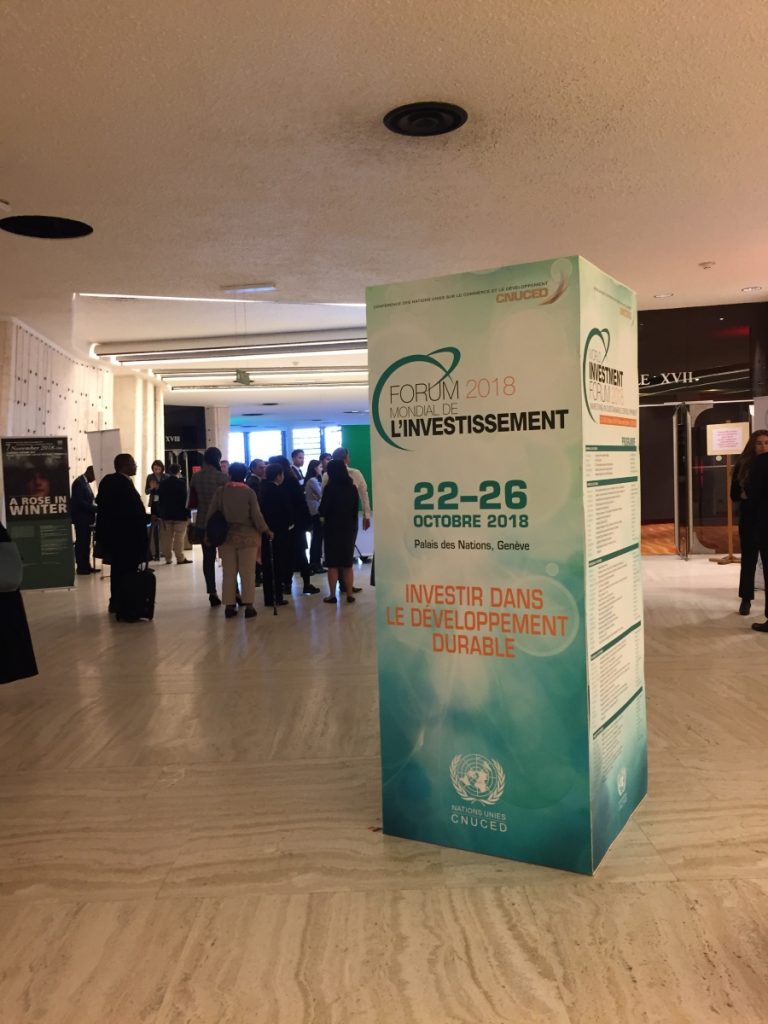
Investing In New Antibiotic Research: Difficult Equation Discussed At World Investment Forum

The diminishing arsenal of efficient antibiotics to fight bacteria is a threat denounced by many, but investment in research and development of new antibiotics is seen as lagging. As the danger of getting back to a pre-antibiotic age is increasing, alternative ways of financing new antibiotics are being discussed. At the World Investment Forum this week, a panel looked into innovative means of investment, and ways to attract private investors to this field.

WHO Members Consider Possible Changes To Pandemic Influenza Framework

A hundred years ago, the influenza pandemic known as the “Spanish flu” infected one-third of the world population, and resulted in an estimated 50 million deaths. Last week, the World Health Organization held a consultation on possible changes to its 2011 agreement to prepare for the next pandemic influenza. Two major questions were on the table: whether to extend its agreement to seasonal influenza, and how to deal with pandemic influenza genetic information, which is increasingly used instead of biological samples of viruses.