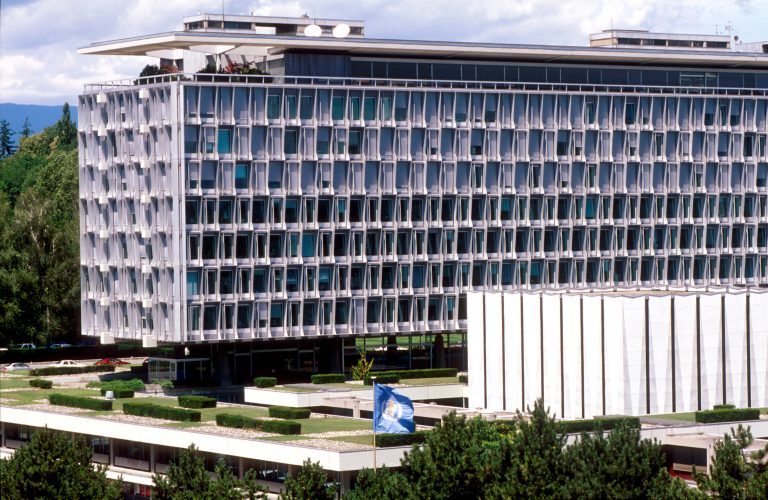
WHO Starts Work On Essential List Of Diagnostics To Facilitate Access, Lower Prices
The World Health Organization announced yesterday that it has begun work on a list of essential diagnostics, as an echo of its Model List of Essential Medicines.

Original news and analysis on international IP policy

The World Health Organization announced yesterday that it has begun work on a list of essential diagnostics, as an echo of its Model List of Essential Medicines.
"Political and economic pressure placed on governments to forgo the use of TRIPS flexibilities violates the integrity and legitimacy of the system of legal duties and rights created by the TRIPS agreement and as reaffirmed by the Doha Declaration," India told a World Trade Organization committee this week, referring to the WTO Agreement on Trade-Related Aspects of Intellectual Property Rights (TRIPS).

Designing a world where humans have to share space with robots is not an easy task. Several initiatives are looking at ways to address issues linked to the main fuel of artificial intelligence: data. Such issues include privacy, data ownership and sharing, but also making sure that artificial intelligence will not widen the existing digital divide. Speakers at a global summit last week provided insight on ongoing efforts to understand and best tackle the inevitable and sometimes unforeseen problems of this new territory.
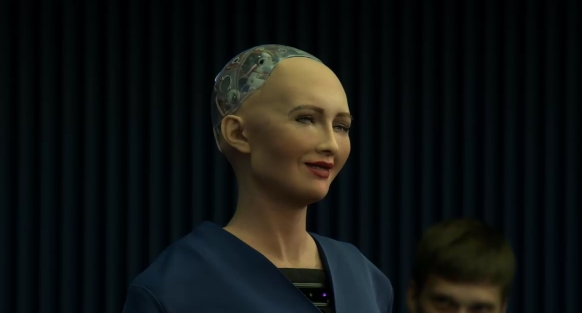
Who thought that the laws of robotics described by famous science fiction author Isaac Asimov would one day resonate with real life issues on robots? Last week’s summit on artificial intelligence sought to imagine a world increasingly manned by machines and robots, even self-taught ones, and explore the legal, ethical, economic, and social consequences of this new world. And some panellists underlined a need to establish frameworks to manage this new species.

The fate of the World Intellectual Property Organization committee addressing misappropriation of the cultural heritage of indigenous peoples will be decided by the annual WIPO General Assembly in October. But the committee this week is expected to provide recommendations on its future work, on the renewal of its mandate, and whether work accomplished over the last two years can lead to a high-level negotiation on one or several treaties giving indigenous peoples increased rights over their culture.
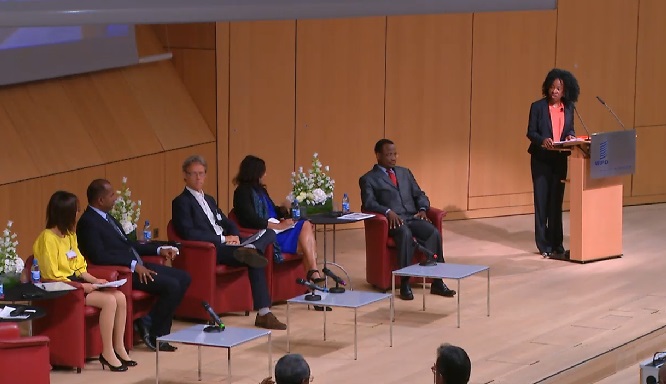
The World Intellectual Property Organization committee in charge of seeking solutions to protect traditional cultural expressions (folklore) from misuse meets this week. On the eve of the meeting, a preambular seminar looked at key policy issues of such protection and if current international instruments could provide for such solutions.
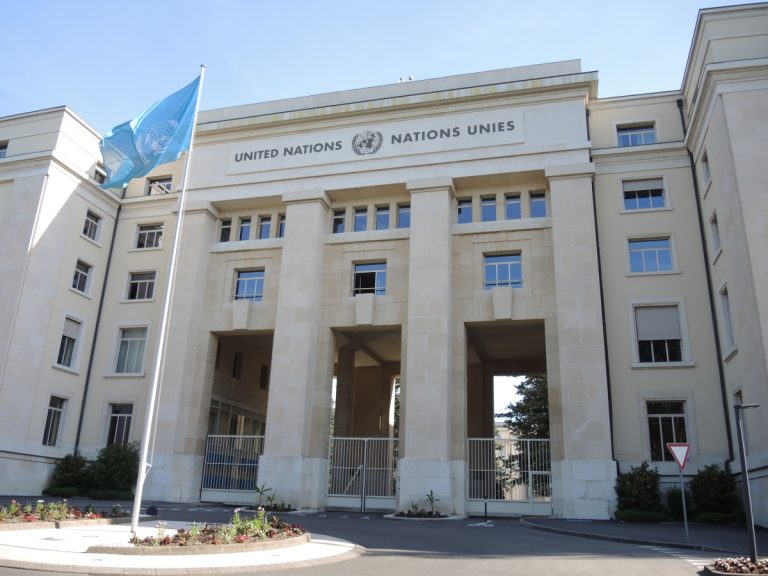
If governments have the obligation to help keep their citizens healthy, many of them are struggling to strengthen their health systems. A variety of hurdles is in the way, and lack of access to medicines is one of them, as underlined by the World Health Organization director general in her address to the United Nations Human Rights Council yesterday.
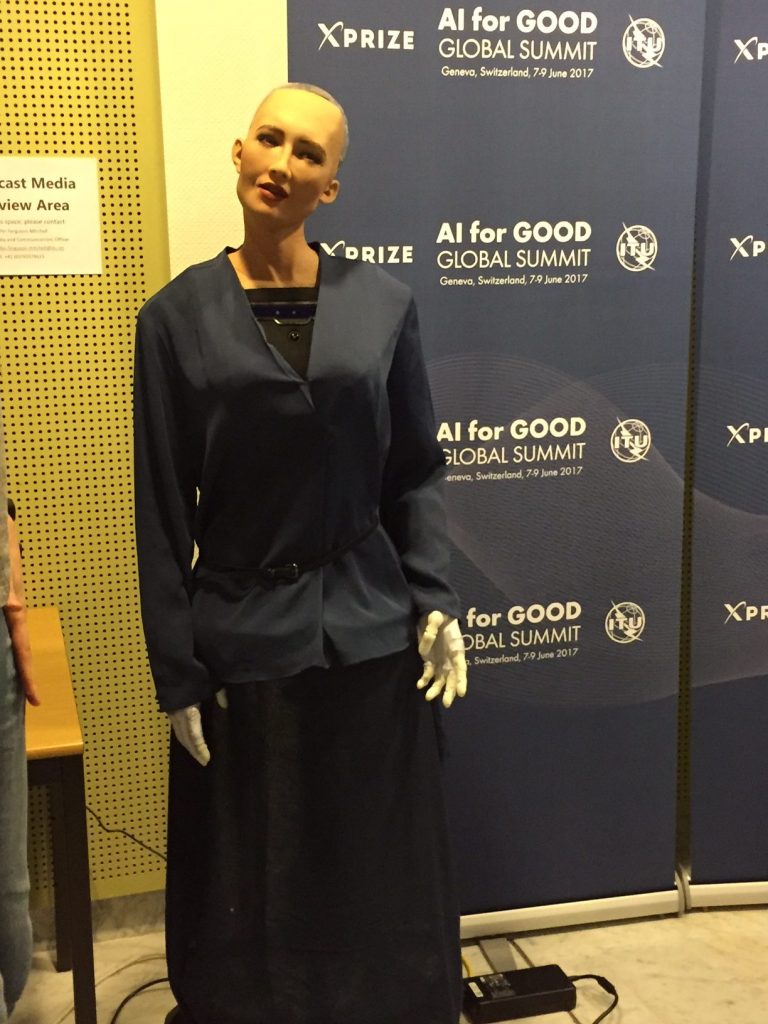
For artificial intelligence enthusiasts, the future is bright. Soon intelligent machines will help humankind solve most problems, and according to one speaker at an artificial intelligence summit in Geneva this week, humans will be outsmarted by robots in the foreseeable future, in an artificial intelligence bliss. For others, artificial intelligence is far from delivering a fully positive outcome, and for several United Nations representatives, such as the World Health Organization, the world should not be entrusted to robots just yet.
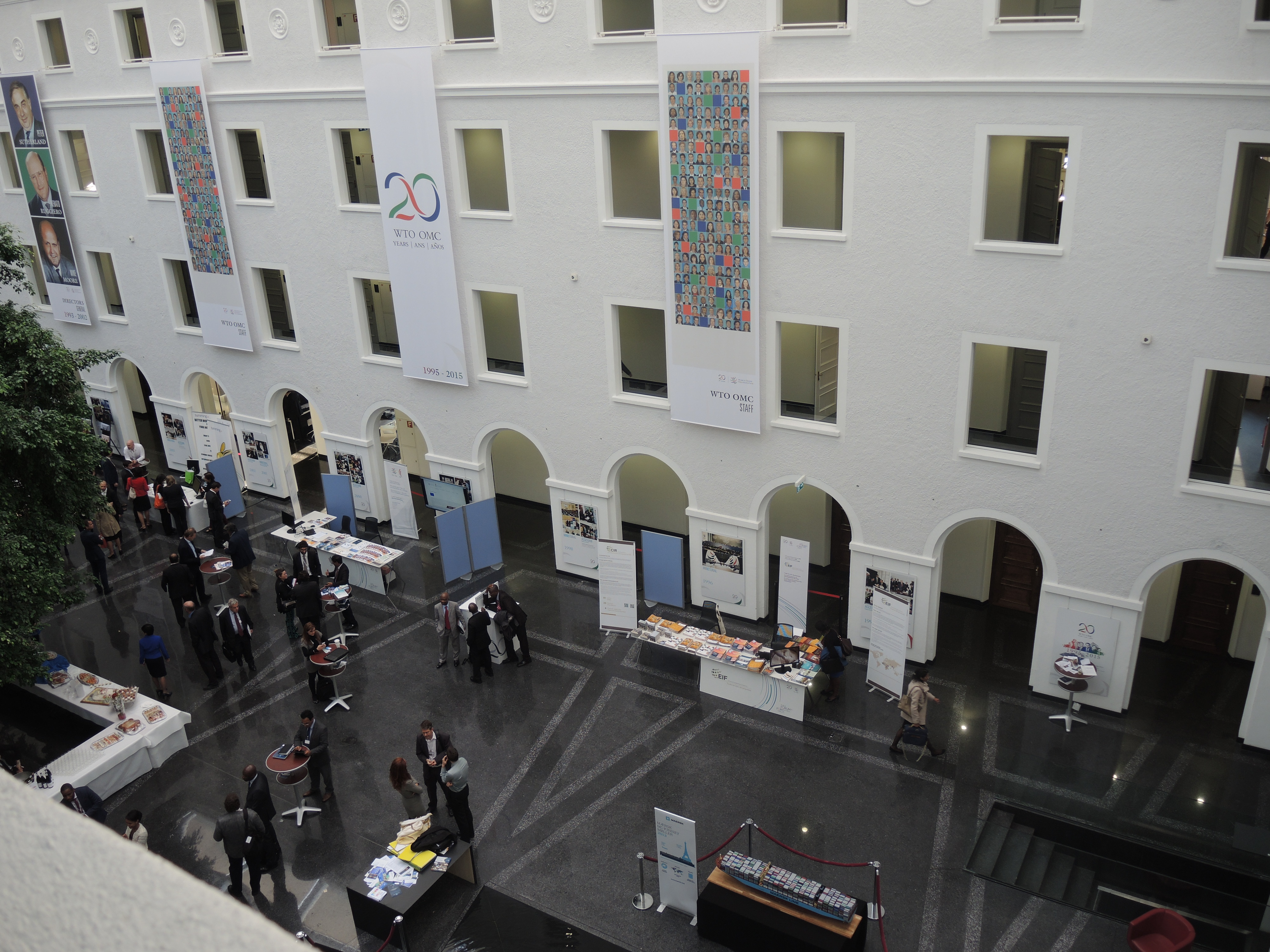
It has become a tradition at the World Trade Organization committee on intellectual property to have an agenda item on intellectual property and innovation, and next week's meeting is no exception. More noticeable on the agenda of the committee next week is an item on intellectual property and the public interest that addresses compulsory licensing.

The World Health Organization's new list of essential medicines, those which should be available to everyone, anywhere, was issued today. To answer the rising concern about antimicrobial resistance, the antibiotics on the list have been divided in three groups, the last of which are to be used as a last resort. The list includes the first combination therapy to treat all six types of hepatitis C. However, no second line treatment for breast cancer has been added this year.

The agreement found last year after months of intense discussion to avert the possibility of undue influence by outside actors at the World Health Organization is yet to be fully implemented. The World Health Assembly last week looked at progress and the process by which the WHO can temporarily welcome on its staff individuals from the private sector, civil society, philanthropic foundations, and academic institutions. Some countries questioned principles in this process but were told by the WHO that their comments would merely be recorded.

Cancer, diabetes, heart disease and chronic respiratory diseases are killing millions of people each year, making noncommunicable diseases the leading global cause of human deaths, many of them premature. This week, the World Health Assembly endorsed an updated set of policy options for countries to help them with the prevention and control of those diseases. On the list is a suggestion for tax increases on tobacco products and alcoholic beverages, and the reduction of salt intake. Supported by many countries, it was resisted by the United States and Italy.