Catherine Saez

Catherine Saez

300 NGOs Demand No New E-Commerce Agenda At WTO Ministerial

Some 300 global nongovernmental organisations have signed a letter voicing concerns about the agenda of the upcoming World Trade Organization Ministerial Conference in December. In particular, they target the alleged push by some countries for a new agenda on digital trade, which they describe as “wrong.”
Clock Ticking For WIPO Assembly To Agree On Budget, Design Treaty, Genetic Resources

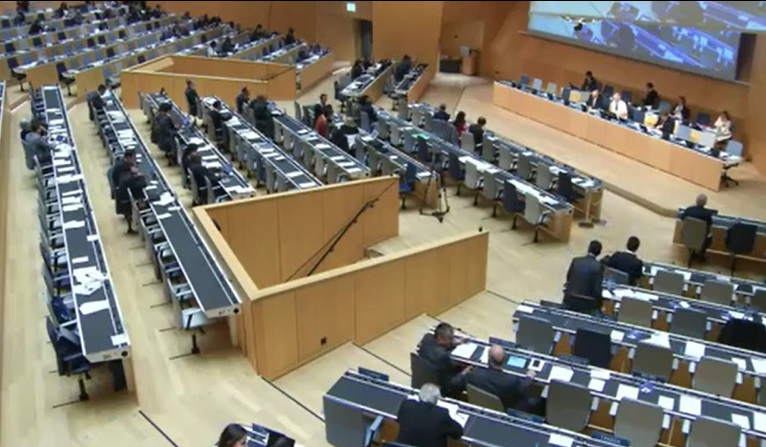
This morning no breakthroughs were reported by delegates chairing informal meetings to reach consensus before the end of the annual World Intellectual Property Organization General Assembly tomorrow. Agreement still has to be reached on the most political issues, such as the budget, the mandate of the committee on genetic resources and traditional knowledge, and where the next WIPO field offices will be hosted. Also under discussion is the composition of one of WIPO’s governing bodies, challenged by the Asia and Pacific Group, which wants more seats.

WIPO Assembly Snapshot: Decisions Adopted; Budget, Traditional Knowledge, Designs Still On Table

With three days remaining at the annual World Intellectual Property Organization General Assembly, delegates are still seeking agreement on the 2018/2019 budget, the mandate of the committee on the protection of genetic resources and traditional knowledge, and an update to the international treaty on design law. A number of decisions have however been approved, as WIPO committees reported on their activities.

Asia Pacific Countries Challenge Composition Of Key WIPO Committees

The World Intellectual Property Organization Program and Budget Committee is arguably the most powerful committee of the United Nations agency, and is open to a limited number of countries. This year, the countries sitting on the committee have to be renewed, and the Asia and Pacific Group is challenging the way countries are chosen, and their numbers because of under-representation of some regions.

WIPO: New External Auditor, Officers; Vietnam To Chair Assembly; New Treaty Accessions

At the start of the World Intellectual Property Organization General Assembly this week, officers to chair the assemblies of WIPO-managed unions were elected. Following a change of rule last year, a chair was also elected to preside over the General Assembly for the next two years. In addition, a new external auditor from the United Kingdom was approved, and Nigeria and Indonesia acceded to WIPO treaties.

New US/Japan Proposal On Mandate For WIPO Traditional Knowledge Committee

The United States and Japan have submitted a joint proposal for the next mandate of the World Intellectual Property Organization committee on the protection of genetic resources and traditional knowledge, whose mandate must be decided this week. The new proposal comes on top of proposals from the African Group and the European Union. If there is a large consensus saying the committee should continue its work, the objectives of the committee and the way to achieve them differ widely.

US Firm On WIPO Budget Demands: Lisbon Must Find Funds, WIPO Financial System Must Change

World Intellectual Property Organization members this week are trying to find a compromise in order to adopt the budget for the years 2018/2019. The United States has posed conditions on approval, particularly that they would like to keep discussing a potential change in WIPO's budget allocation to prevent the treaty they pay most into from having to fund other less financially viable treaties. They also asked that the WIPO treaty protecting geographical indications eliminate its deficit, and that no high-level negotiating meeting be provisioned for without the whole WIPO membership agreeing to it.

E-Commerce Regulation Needs Harmonisation, Labour Rules Should Be Part Of Trade Laws, Panellists Say

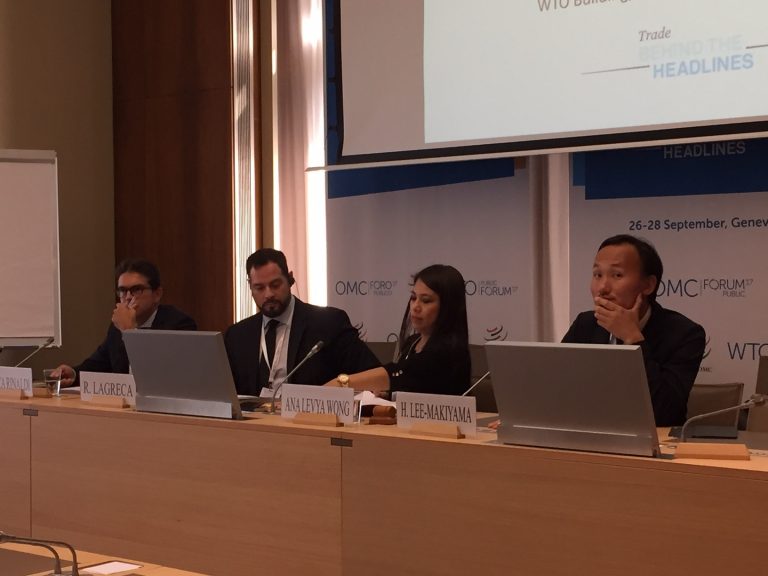
As electronic commerce is on the rise, attempts to regulate it are fragmented and in need of harmonisation, according to a panel at the recent World Trade Organization Public Forum. Intellectual property could be a harmonisation tool and is a market maker, one of the panellists said. Separately, a session looked at the relationship that they said should exist between trade and labour rights, and said the way goods are produced should be taken into account in WTO rules.