WIPO Names New Directors Of Global Challenges, Copyright Infrastructure
The World Intellectual Property Organization has chosen a new head of the Global Challenges Division, as well as a new acting director of the Copyright Infrastructure Division.

Original news and analysis on international IP policy

The World Intellectual Property Organization has chosen a new head of the Global Challenges Division, as well as a new acting director of the Copyright Infrastructure Division.
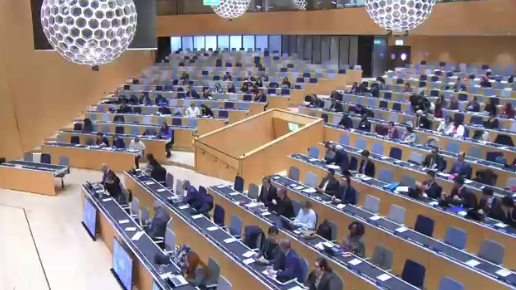
A proposed revision of articles that could become a World Intellectual Property Organization instrument protecting against the misappropriation of genetic resources met with strong resistance from some developing countries, asking that the committee revert to the previous version of the text. Their concern is what they see as new issues and concepts introduced this week, mainly by the United States. The committee chair decided to start a new process.
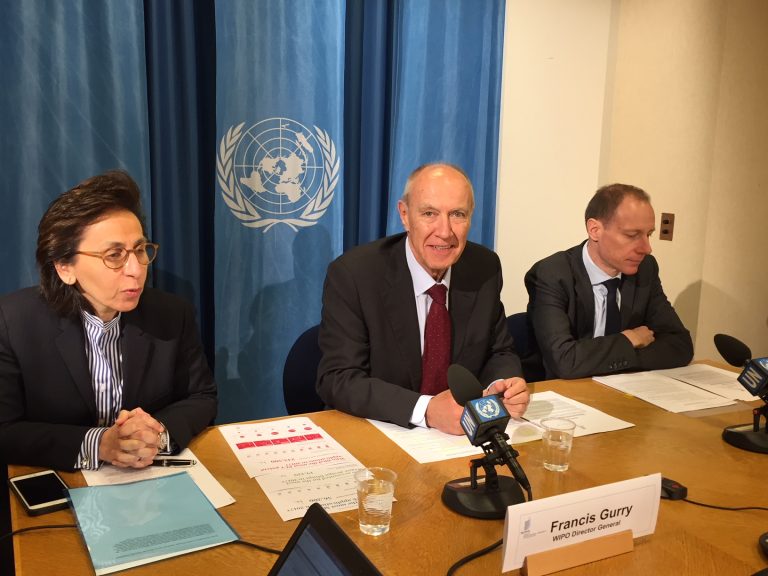
If the United States remains the champion of international patent applications at the World Intellectual Property Organization, China is now on its heels, and knocked Japan off the second place in 2017, according to numbers provided by WIPO. Southeast Asia is now a strong source of international applications, while developing countries still stand as a poor relation of the intellectual property system, though some of them are progressing steadily.

Delegates at the World Intellectual Property Organization this week started discussing core articles of what could potentially become a treaty preventing the misappropriation and the granting of intellectual property rights on genetic resources. Facilitators named by the chair of the WIPO committee addressing this issue produced a new tentative draft version of the objectives of such treaty.
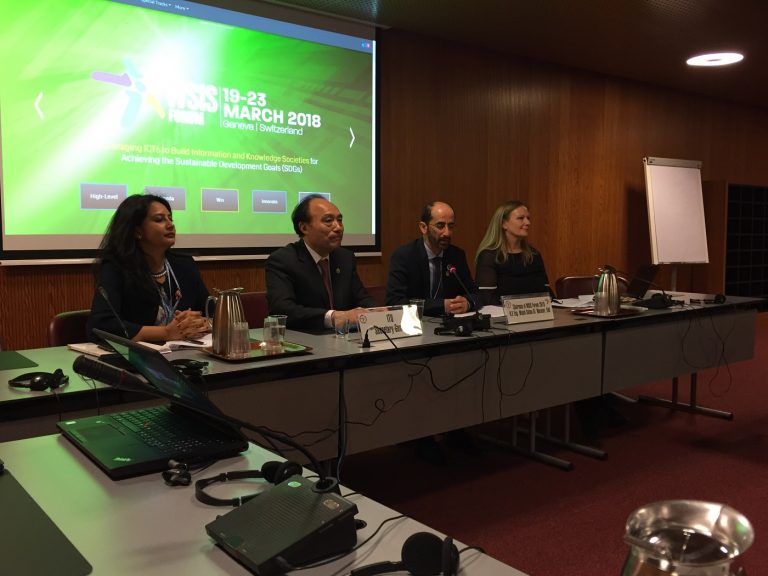
The UN-led World Summit on the Information Society Forum (WSIS) 2018 opened its doors this week, with over 2,500 participants. This year, the focus is on sustainable development. International Telecommunication Union (ITU) Secretary General Houlin Zhao underlined the importance of reducing the digital divide in a press briefing this morning.

A group of countries submitted a new proposal for the World Intellectual Property Organization committee on trademarks and geographical indications, set to meet next month, to protect country names and geographical names. The proponents suggest that this proposal, if adopted by the WIPO General Assembly, could influence the Internet Corporation for Assigned Names and Numbers' second round of registration for new generic top-level domain names.
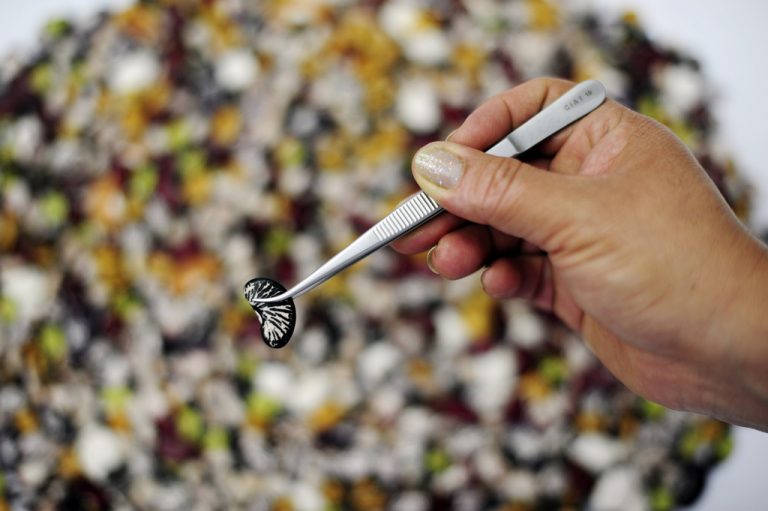
World Intellectual Property Organization delegates will meet in the coming week to try to advance work on the protection of genetic resources against misappropriation. Through its renewed mandate, the WIPO committee is expected to focus on accommodating diverse points of view and try to reach a common understanding on core issues, including what and whom should benefit from protection.
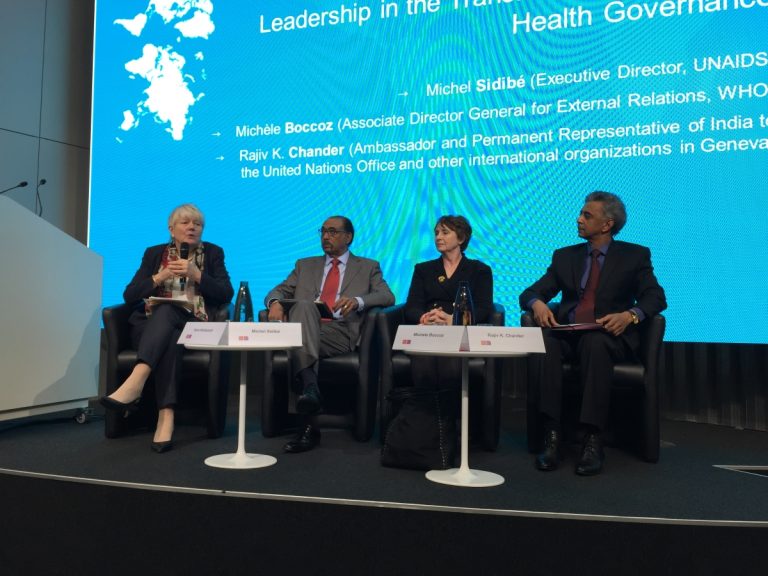
Political and economic shifts have modified the post-war world order, and global health governance has to adapt to this new environment, speakers said at an academic event in Geneva this week. Among the changes: with the decline of United States funding for global health, new actors such as China and India could take leadership roles, they said.
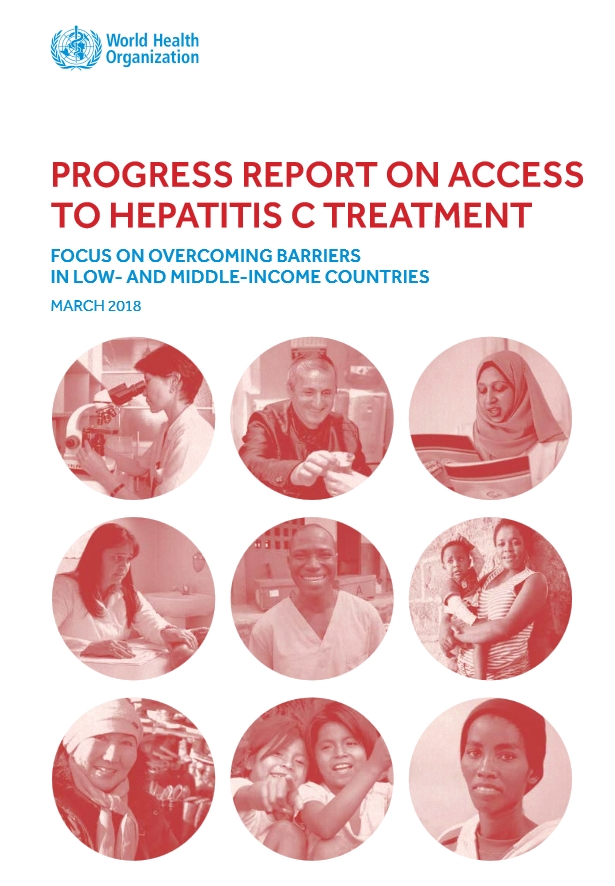
Access to hepatitis C treatments is increasing, so are therapeutic options, but most of those living with the disease are not diagnosed and thus remain untreated, the World Health Organization found in a new report. Upper-middle income and high-income countries continue to pay high prices, impeding equitable access, and those countries which have been most successful in increasing access have mobilised a strong government response, the report found.
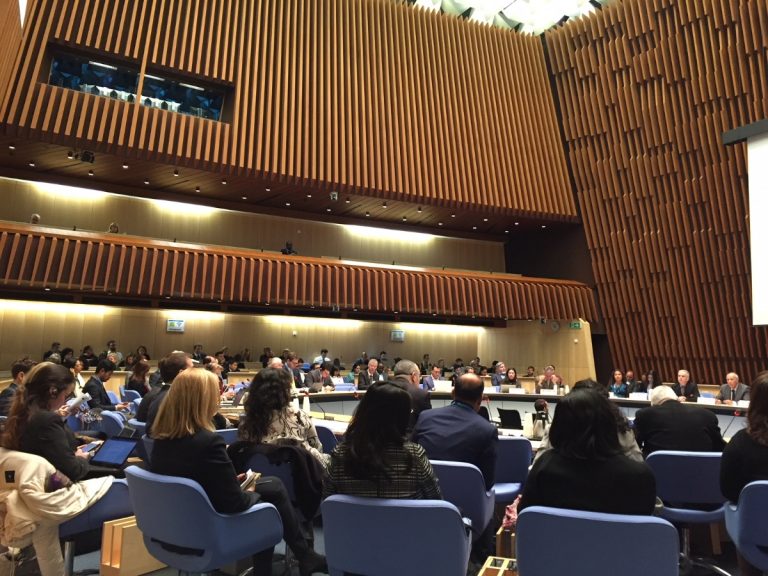
Intellectual property rights, particularly patents, are considered by some as being a barrier in access to medicines despite being a stimulus for innovation. At a recent symposium co-organised by the World Health Organization, World Trade Organization and World Intellectual Property Organization, speakers also talked about the role of science, governments, and universities in health innovation and access, and how to address challenges such as secondary patents.
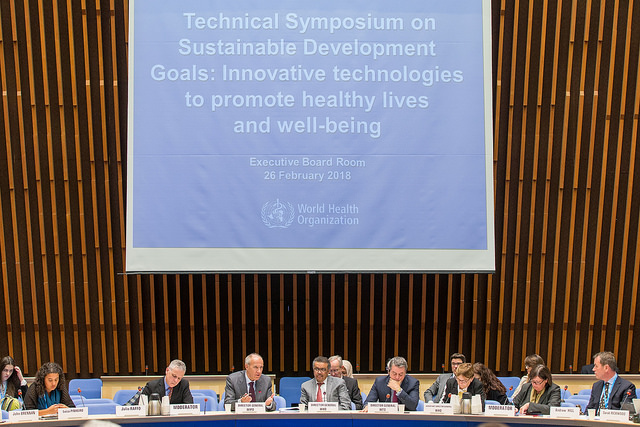
The price of hepatitis C medicine marked a turning point in the discussion on access to medicines, with developed countries suddenly confronted to prices they could not afford. This week, a symposium jointly organised by the World Health Organization, the World Trade Organization, and the World Intellectual Property Organization explored the question of the pricing of medicines. A number of suggestions were made to alleviate the issue, such as ensuring wide use of generic medicines, encouraging competition, and alerting countries about the cost of medicine production so they negotiate better with pharmaceutical companies.
Despite the widespread view that the flexibilities included in international trade rules are not often used, a new study found that countries make extensive use of those flexibilities.