
TAIPEI, Taiwan — The building is impressive. Taiwan’s intellectual property office, located in the Dan-an district of Taipei, deals with patents, trademarks, designs, and utility models. Not being a recognised member of the United Nations, Taiwan cannot access the World Intellectual Property Organization treaties, in particular the Patent Cooperation Treaty. However, Taiwan is dedicated to enforcing IP rights, and entertains agreements with several IP offices in the world, including China, which is Taiwan’s major trading partner.
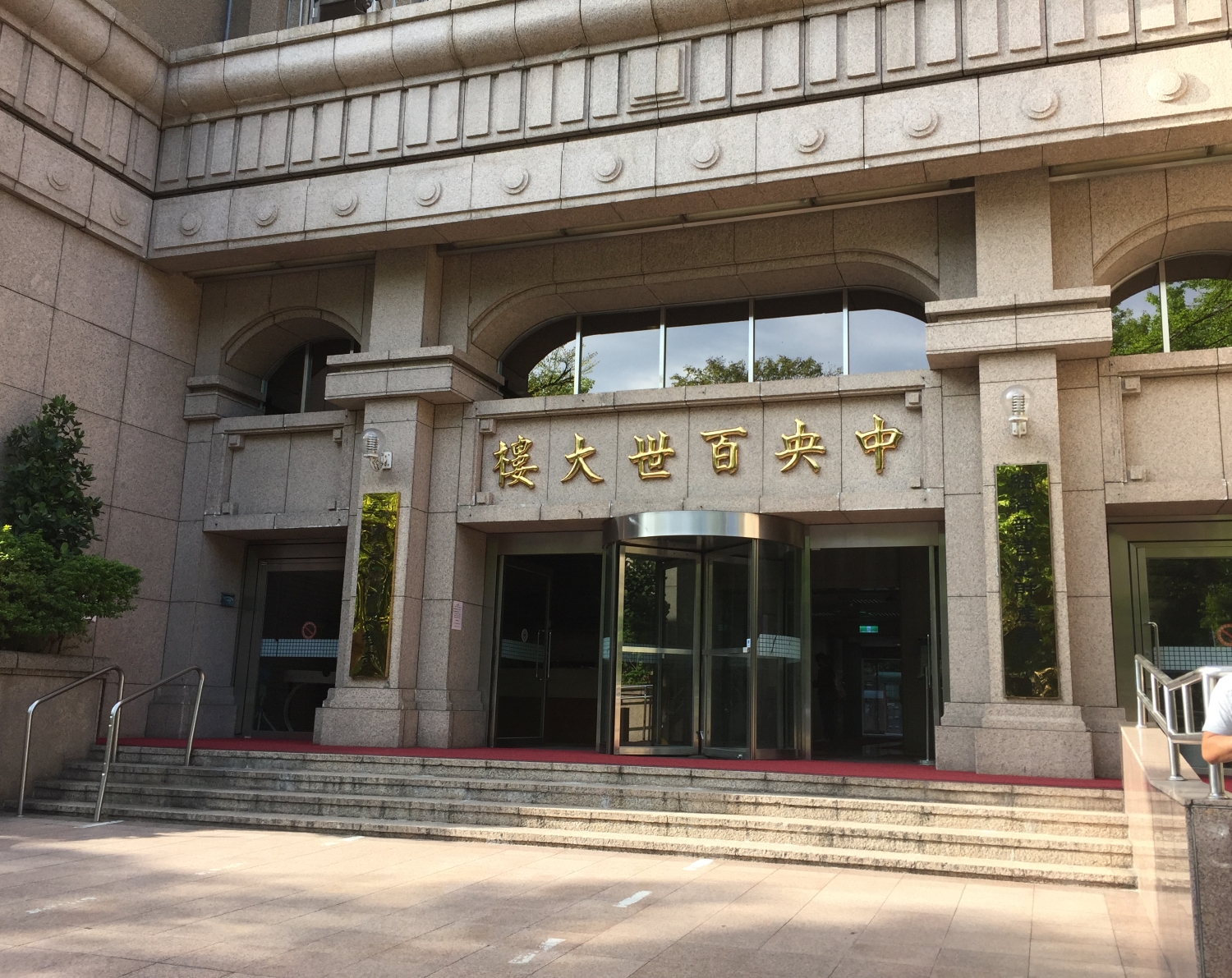
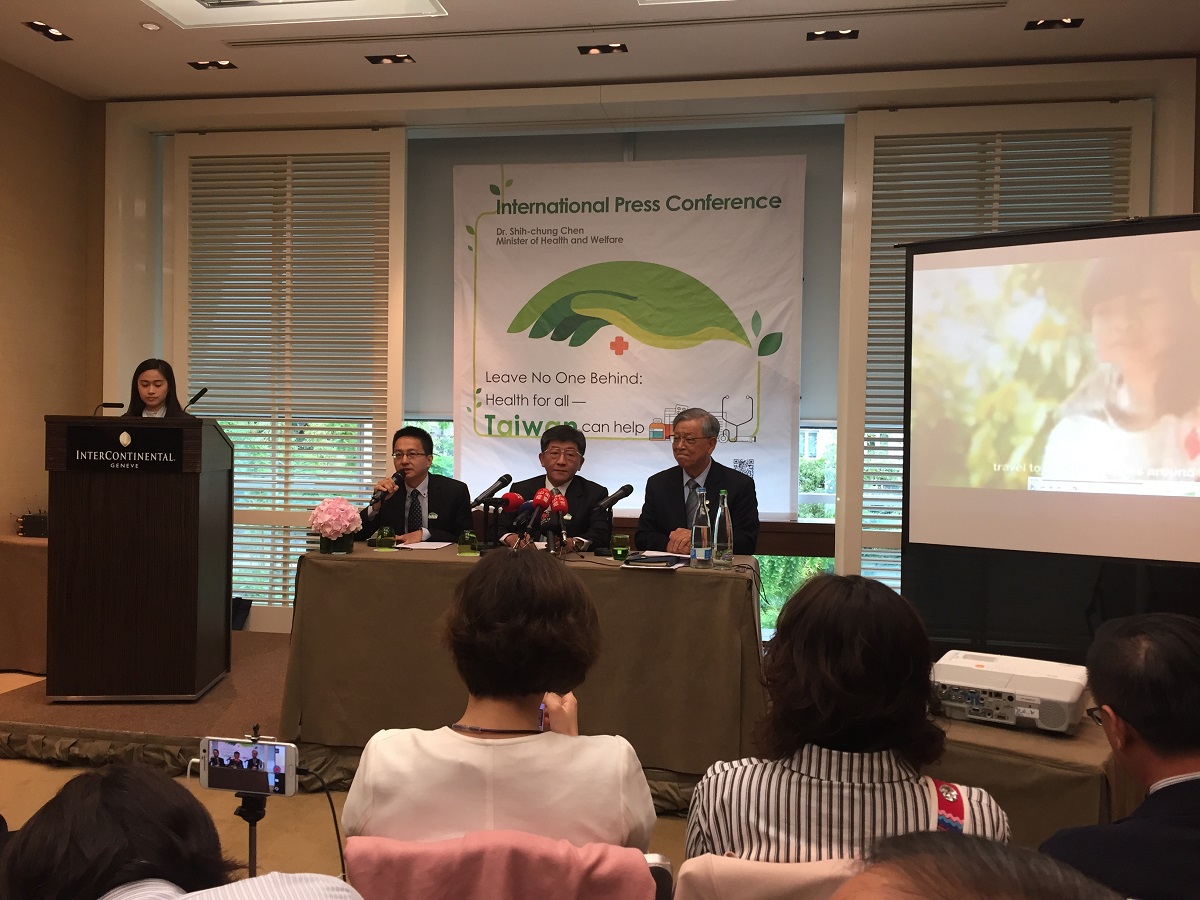
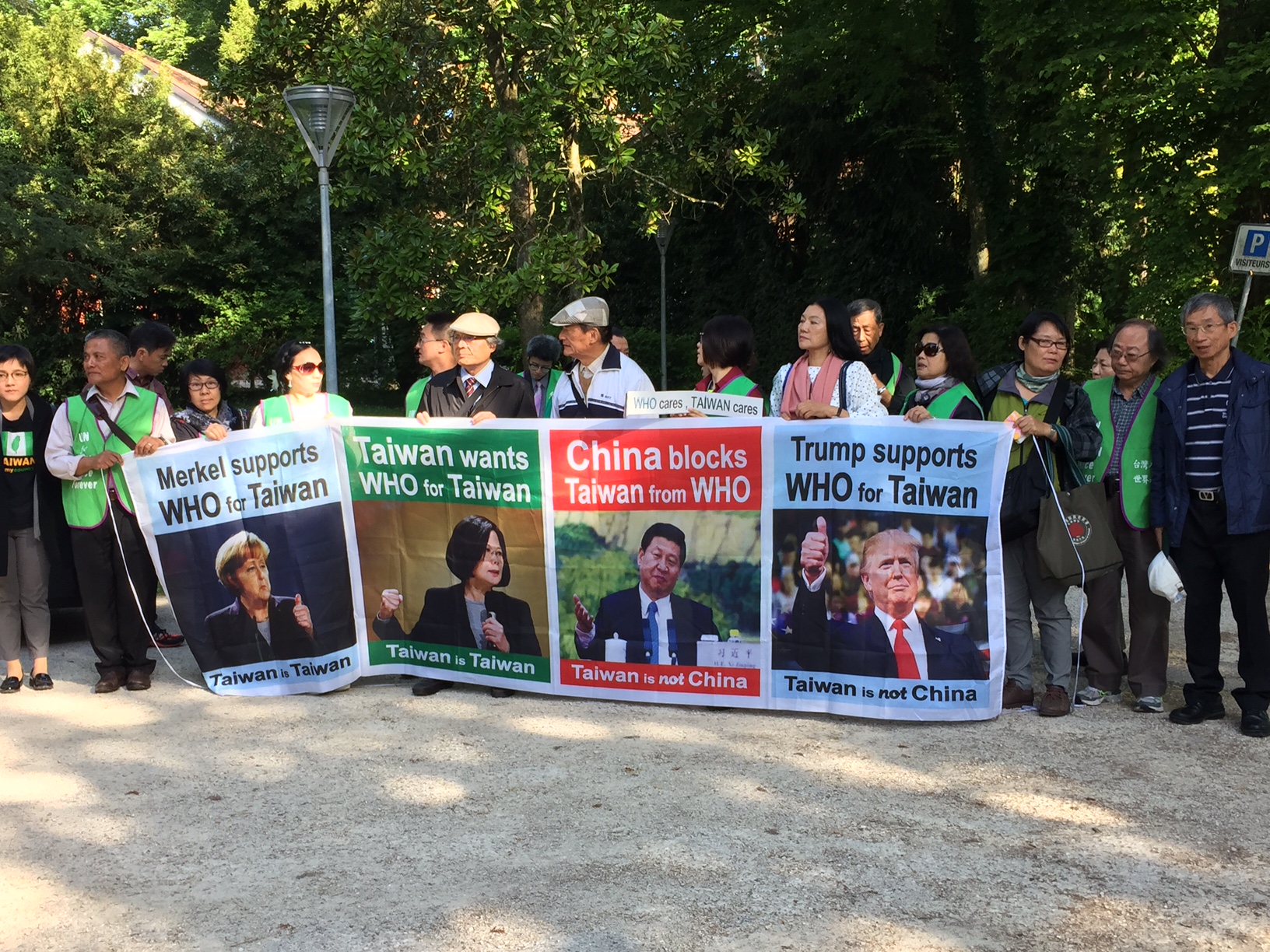
During a recent visit organised by the Taiwanese government to shed light on the alleged actions from China to prevent Taiwan from being invited as an observer country to the annual World Health Assembly in May, (IPW, WHO, 9 April 2018) Intellectual Property Watch met with Taiwan Intellectual Property Office Director General Shu-min Hong.
Change in IP legislation
The Taiwan IP Office (TIPO) hosts 782 employees, 382 of which are patent examiners, with 84 trademark examiners, and 27 dealing with copyright. As means of comparison, the Japan Patent Office holds 496 fixed-term patent examiners, and 137 for trademarks. The Korean Intellectual Property Office has 836 patents and utility model examiners, and 162 for designs and trademarks, according to the IP5 Statistics Report 2016.
Taiwan is paying close attention to the needs of industry, Hong said, and in recent years major amendments were brought to a number of laws, including the Patent Act, the Trademark Act, and the Copyright Act.
The Patent Act was modified in 2017 to introduce more lenient requirements governing the grace period, which was extended from 6 to 12 months for patents and utility models. This serves to extend protection to patent applicants who have disclosed their invention before their application, she said.
The draft amendment of the Copyright Act – the most substantial draft amendment in the last 20 years – was made in response to the digital convergence era. The draft amendment is currently under review.
A provision concerning criminal liability was added to the Trade Secrets Act in 2013, and meetings were held in 2017 to measure the effectiveness of the amendment. This year, TIPO plans to introduce an order governing investigation secrecy, so as to grant better protection of trade secrets, according to Hong.
Trade secrets are favoured by companies seeking to protect processes, such as Taiwanese semiconductor companies, she said. Almost 95 percent of their inventions are protected by trade secrets, because those companies constantly improve their process.
Consequence of Not Being a WIPO Member
Because Taiwan is not recognised as a separate country by the United Nations, it is not able to become a World Intellectual Property Organization member, and cannot access WIPO’s services, such as the Patent Cooperation Treaty (under which an application can be recognised in other member countries).
However, Taiwan is a full member of the World Trade Organization, and as such has to implement the WTO Agreement on Trade-Related Aspects of Intellectual Property Rights (TRIPS).
In order to file international patent applications, Taiwanese inventors have to file in all the different countries in which they want their patents protected, which is very costly. It is unfair for Taiwanese citizens, Hong said.
In the same way, Taiwanese citizens cannot access The Hague Agreement Concerning the International Registration of Industrial Designs or the Madrid System for the International Registration of Marks, both managed by WIPO, she added.
Taiwan protects its new varieties of plants through national legislation but is not able to be a member of the International Union for the Protection of New Varieties of Plants (UPOV), according to a Taiwanese official. One of Taiwan’s most inventive sectors is agriculture, and Taiwan is one of the world’s leaders in orchid production and exports, according to several sources.
UPOV is not a UN agency, although it is hosted in the WIPO building in Geneva and its director general is Francis Gurry, also the head of WIPO. Asked about the reason why Taiwan is not a member of UPOV, the UPOV secretariat told Intellectual Property Watch it cannot comment on the issue.
The UPOV guidance [pdf] on how to become a member of UPOV states that any state may become party to UPOV, given their legislation is in conformity with the 1991 version of the UPOV Convention. The UPOV secretariat said it is up to the UPOV membership to decide on the accession of a new member. UPOV has 75 members, among which is China.
Taiwan has signed an agreement on IP protection and cooperation with China, she said, which covers patent, trademarks, copyrights, and plant variety rights. “We have also requested China to enlarge the scope of plant variety rights,” she added.
Individual Agreements in Patent Examination Collaborations
According to a TIPO document, Taiwan has two different Patent Prosecution Highway (PPH) cooperation programmes. The first is under the General PPH, which allows an accelerated examination process for application at the office of second application filing. TIPO is currently in a PPH partnership with the United States Patent and Trademark Office (USPTO).
The second cooperation programme is under the “PPH Mottainai”. The PPH Mottainai pilot phase was launched in July 2011 and included the Japan Patent Office (JPO), the USPTO, the United Kingdom Intellectual Property Office (UKIPO), the Canadian Intellectual Property Office (CIPO), IP Australia, the Finnish Patent and Registration Office (NBPR), the Russian Federal Service for Intellectual Property (ROSPATENT), and the Spanish Patent and Trademark Office (SPTO). It is meant to facilitate the requirements for patent examinations, according to the JPO.
Under the PPH Mottainai, TIPO is currently partnering with the JPO, the SPTO, Korean Intellectual Property Office, the Patent Office of the Republic of Poland, and CIPO.
According to a TIPO press release, Taiwan signed an Memorandum of Understanding on bilateral intellectual property rights cooperation with the European Union Intellectual Property Office in January.
Through those collaborations, TIPO reduced its administrative costs and expedited the patent examination process. Under the Taiwan-USPTO PPH scheme, the average pendency for patents is about 118 days, and under the Taiwan-Japan PPH scheme it is about 110 days, the document said.
Most innovative Sectors IT, Agriculture
Some 98 percent of companies in Taiwan are small and medium-sized enterprises, Hong said.
The most innovative sectors in Taiwan are agriculture and IT. The most patents granted in 2017 in Taiwan were on semiconductors, electronic digital data processing, and optical elements, according to a TIPO document.
For utility models, electronic commerce, electrically-conductive connections, and containers for storage or transport were the most granted.
According to the TIPO document, 73,791 patent applications (including 19,549 utility models, and 8,120 designs) were received in 2017. Some 40,835 were made by residents. Japan is the largest foreign patent filer in Taiwan, followed by China, which increased its application by 21 percent in 2017.
According to the World Intellectual Property Organization’s World Intellectual Property Indicators 2016 [pdf], in 2016 1,101,864 were filed in China, most of them by residents. In South Korea 213,694 patents were filed, also mostly by residents, and 8,711 utility models. In Germany 66,893 patents were filed, and 14,274 utility model applications, while in the United Kingdom, 22,801 patents were filed.
Applications for trademarks in Taiwan have been rising for the last five years, with 83,202 applications in 2017, Hong said. This includes 61,215 applications made by residents. China is the largest foreign trademark filer in Taiwan, followed by the US and Japan, according to TIPO. The applications were filed in the following sectors: advertising, business management, and business administration; science, surveying, and photographic; and coffee, tea, cocoa and artificial coffee.
According to the World IP Indicators 2016, in 2015 China received 2,828,287 trademark applications, Japan 345,070, Germany 210,176, and the United Kingdom 119,430.
China is Taiwan’s biggest export destination and the largest source of trade surplus for Taiwan. In 2015, exports to China accounted for 39.4 percent of Taiwan’s total exports, according to TIPO. China is also the largest source of imports to Taiwan, and in 2015 accounted for 19.7 percent of all Taiwan’s imports. Japan is the second largest source of imports to Taiwan.
Taiwan’s top five largest trading partners in 2015 were China (including Hong Kong), the 10 members of the Association of Southeast Asian Nations (ASEAN), the US, Japan, and Europe, according [pdf] to Taiwan’s Custom Administration and Ministry of Finance.
Pharmaceutical industry in Taiwan
Taiwan has proficient technical skills in pharmaceutical production and is able of conducting clinical trials, Hong said.
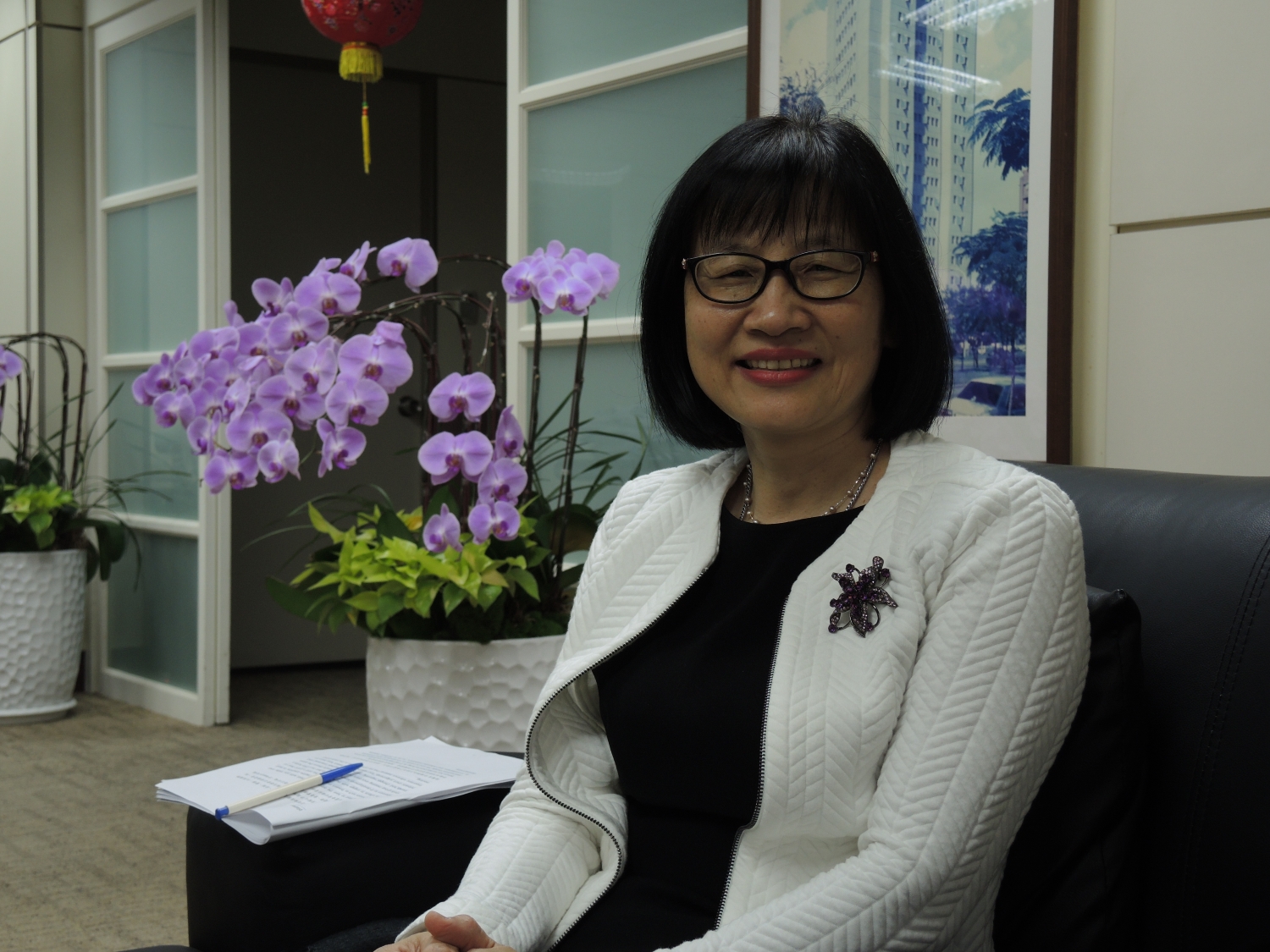
There are currently 163 pharmaceutical industries which have gained a good manufacturing practice approval in Taiwan, 137 of which are pharmaceutical manufacturers, and 26 of them being active pharmaceutical ingredients manufacturers.
A number of international pharmaceutical companies have established an office in Taiwan, such as Roche, Pfizer, GlaxoSmithKline, and Bayer, according to Hong. Many of those transnational companies have partnered with local business for marketing needs or joint production.
Taiwan’s government has also stepped up efforts to promote the development of Taiwan’s biomedical industry, with the aim of becoming a global medical devices and medicines research and development centre.
A visit to the Biomedical Sciences & Genomics Research Center, Academia Sinica in Taipei, demonstrated Taiwan’s efforts in the biomedical sector. The centre specialises in the understanding of genes associated with diseases and their functions, and new drugs development. In particular, the centre is conducting research on personalised and precision medicine, and on the prevention of adverse drug reaction through genetic screening.
According to a Taiwanese official, half the drugs used in Taiwan are imported and the other half are produced domestically. Taiwan mainly exports some of its generic production to Southeast Asia, Hong said.
Piracy/Counterfeit Issues
According to Hong, it is not easy to find counterfeit or pirated goods in Taiwan, even on the country’s night market, a popular tourist attraction. Counterfeit and pirated goods are made in China, she said. It is always possible that there are some imports from China into the Taiwanese market, she added.
A story published by FocusTaiwan in September explained the police seized over 2,000 pieces of counterfeit brand-name clothing and footwear in central Taiwan. Those goods were seized from four vendors which had been selling them at traditional markets and night markets.
Copyright infringement is a hot issue, Hong said. With the development of technology in the internet age, most copyright infringements are committed online. Because most infringements are committed through foreign websites where Taiwan has no jurisdiction, this is the greatest challenge for rights-holders and law enforcement agencies in Taiwan, she said.
To counter this issue, Taiwan has introduced three measures, she said. The first one is “follow the money” strategy. Two Taiwanese rights holder groups and two groups of advertising agencies signed a follow-the-money voluntary agreement last year. Through this mechanism, rights holder groups produce lists of websites involved in major infringement to advertising agencies, so that they do not provide advertising revenue to those websites.
The second measure is international assistance, as many overseas infringing websites are using servers based in China, and the US, according to Hong. Taiwan sought assistance to address this issue through an memorandum of understanding on IP rights enforcement cooperation between Taiwan and the US.
The third measure is the conducting of domestic awareness campaigns, she said.
Taiwan established an IP police force in 2003 and an Intellectual Property court in 2008. As a consequence, Taiwan has been removed from the US Special 301 watch list since 2009, she added.
Since its inception in 2008, the IP court dealt with 12,899 cases, mainly on copyright and trademarks. The IP court hosts 16 judges, and 13 technical examination officers, according to a TIPO document.
In 2016, 1,262 civil, criminal and administrative cases were heard by the IP court, with 297 cases with foreign involvement, according to the document. In 2017, most cases related to electrical and electronic engineering, information, mechanical engineering, civil engineering, chemistry and chemical engineering, and biochemistry and medicine.
Image Credits: Catherine Saez


[…] Taiwan IP Office Moves Beyond Politics To Forge Links With Other IP Offices, Enforce IP Rights […]