Original news and analysis on international IP policy
WHO Board May Discuss UN High-Level Panel Report On Medicines Access
The UN World Health Organization this week clarified that the possibility exists for the WHO Executive Board to discuss a recently released report from a UN Secretary General-appointed panel that makes recommendations for improving global access to medicines.
The UN World Health Organization this week clarified that the possibility exists for the WHO Executive Board to discuss a recently released report from a UN Secretary General-appointed panel that makes recommendations for improving global access to medicines.
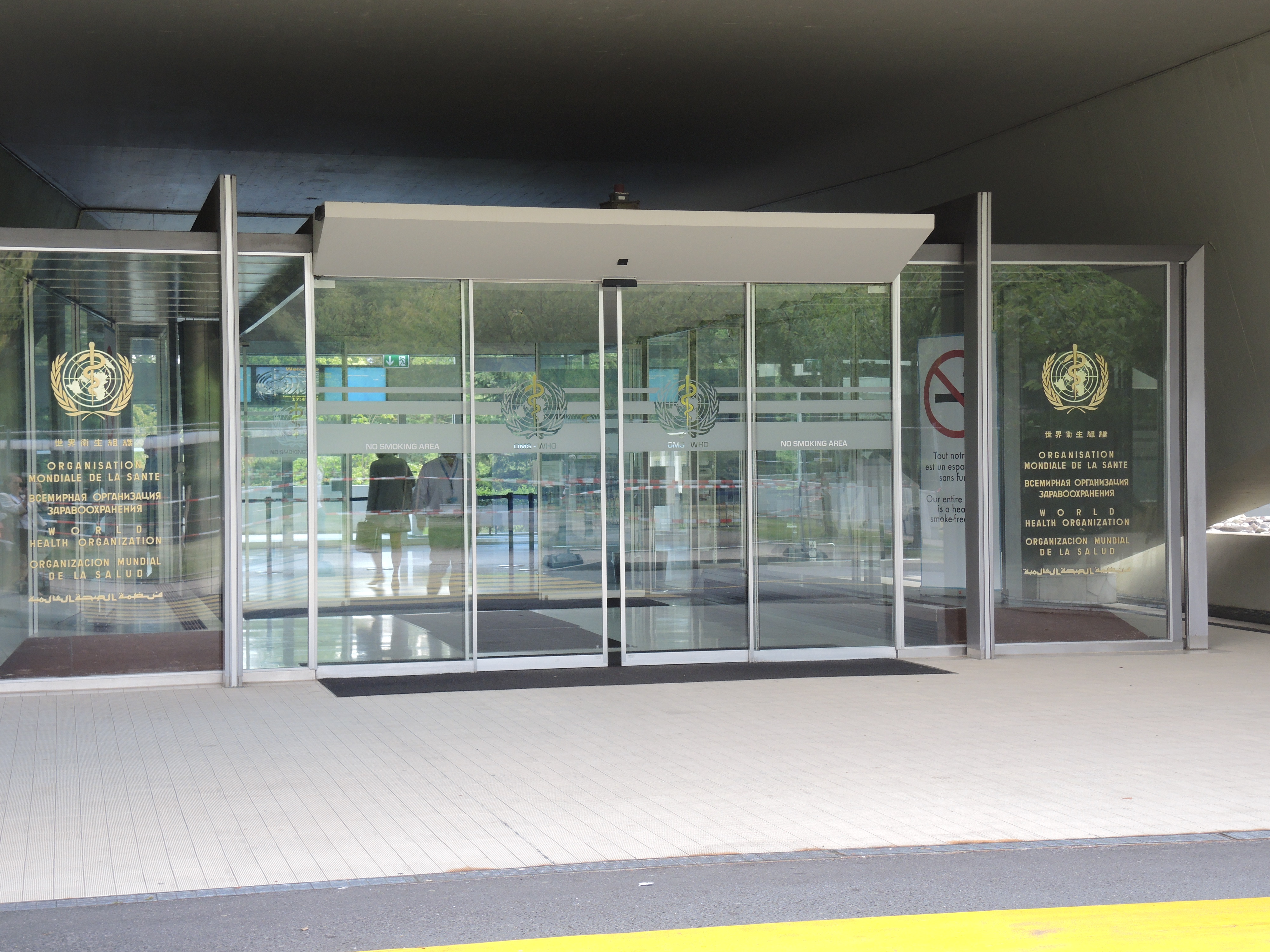
entrance to WHO headquarters
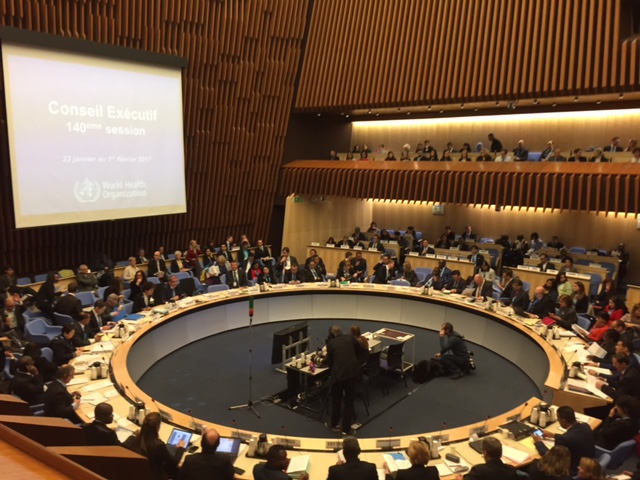
The WHO had come under pressure for rejecting a request by a member state to include an agenda item on the panel report at the next Board meeting in January. A WHO official explained this week that the decision not to have a separate agenda item on the issue came after it was determined that the panel report could be discussed under other existing agenda items.
“[T]he Bureau noted that the substantive issues raised in the report could be covered under two existing agenda items, 8.3 “Addressing the global shortage of medicines and vaccines” and 8.5 “Follow-up of the report of the Consultative Expert Working Group on Research and Development: Financing and Coordination” and therefore did not recommend a separate and additional agenda item,” the official said.
The clarification came from Timothy Armstrong, director of the WHO Department of Governing Bodies, in an email response on behalf of the WHO director general to a representative of the civil society group Third World Network.
The report of the UN Secretary-General’s High-Level Panel on Access to Medicines, Promoting Innovation and Access to Health Technologies was issued in September (IPW, United Nations, 14 September 2016). It made numerous recommendations, such as to make it more difficult for governments to hinder other governments from using agreed flexibilities to intellectual property rules at the World Trade Organization, and to separate prices of medical products from their cost of research and development.
In early November, the World Trade Organization held a discussion on the UN panel report, further prompting questions about the WHO’s apparent reluctance (IPW, WTO/TRIPS, 10 November 2016).
Below is the text of the email sent by the WHO (some personal information removed):
From: ARMSTRONG, Timothy Peter
Date: Mon, Nov 28, 2016
Subject: FW: Civil Society Letter : Requesting Inclusion of UNHLP Report on 140th EB Agenda
Dear Mr Gopakumar
Please find below a communication on behalf of the Director-General.
—————————-
Dear Mr Gopakumar,
Thank you for your email. I have consulted with the Chair of the Executive Board and I noted that during the teleconference with the Officers of the Board to discuss the EB140 provisional agenda, the Officers referred to and utilized the two sets of criteria for the inclusion of additional agenda items established in resolution EB121.R1 and decision WHA65(9). Furthermore, in view of the large number (16) of proposals for additional items received from Member States 16, the Chair of the Executive Board proposed that the Officers also use the following as criteria for inclusion; (1) whether the items cover an urgent topic, or (2) involve a subject that was time-sensitive and that had not been considered recently by the governing bodies. The outcomes of the teleconference have been made available to Member States.
With respect to India’s proposal for a separate and additional agenda item on the UN SG report on access to medicines, the Bureau noted that the substantive issues raised in the report could be covered under two existing agenda items, 8.3 “Addressing the global shortage of medicines and vaccines” and 8.5 “Follow-up of the report of the Consultative Expert Working Group on Research and Development: Financing and Coordination” and therefore did not recommend a separate and additional agenda item.
We appreciate the ongoing interest of the TWN and the NGO community in the work of WHO.
Best regards,
Tim
Dr Timothy Armstrong
Director
Department of Governing Bodies
World Health Organization
CH-1211 Geneva 27
Switzerland


[…] But a WHO official was quoted later saying the issue could be covered under existing agenda items (IPW, WHO, 30 November 2016). […]