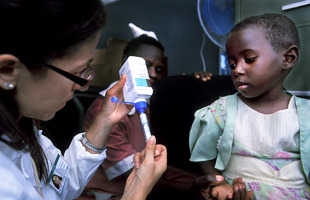
UNITAID, an alternative funding mechanism for pharmaceuticals to the poor, said today that its work has helped develop new ways to treat children infected with HIV where there was previously little commercial incentive. The statement alongside the World AIDS Day announcement that the number of newly infected children continues to decline. UNITAID called for the international community to help children already living with the disease.
“Since its creation in 2006,” the organisation said, “UNITAID has been addressing paediatric HIV by creating the market for quality child-friendly antiretroviral treatments as previously there was no incentive for pharmaceutical companies to invest in child-friendly antiretrovirals and none existed. Before UNITAID, most HIV treatments available for children in low-income countries were syrups designed for adults with up to 18 foul-tasting doses a day.”
“UNITAID’s long-term funding gave suppliers the incentive to manufacture child-friendly formulations that are easy-to-take with a number of drugs combined in the same pill,” it said. “Several generic suppliers were encouraged to enter the market, allowing for more competition and lower prices. Thanks to this market intervention, even those countries that don’t receive direct UNITAID support can benefit from lower prices and increased availability of better products.”
UNITAID is a spinoff from the World Health Organization, which is hosting a meeting this week of an experts’ group trying to agree on alternative mechanisms for financing of research and development into medical products, including treatments for neglected diseases primarily affecting poor populations (IPW, WHO, 25 November 2012).
The UNITAID press statement is available here.