Year 2018

Stan Lee: Writer, Creator, And Marketer Of Intellectual Property

Dave Davis writes: As the many and well-deserved accolades for Stan Lee pour in on the occasion of his death after a career in content creation —mostly in writing— that spanned six decades, I thought now might be a suitable moment to add an additional perspective. I’m focusing on his success as someone who brought his creative expression to market, to the enjoyment of what eventually became an audience of millions. Stan Lee was many things, and among them, he was an outstandingly successful entrepreneur of intellectual property.

Traditional Knowledge, Folklore: How To Protect Them From Misappropriation – This Week At WIPO

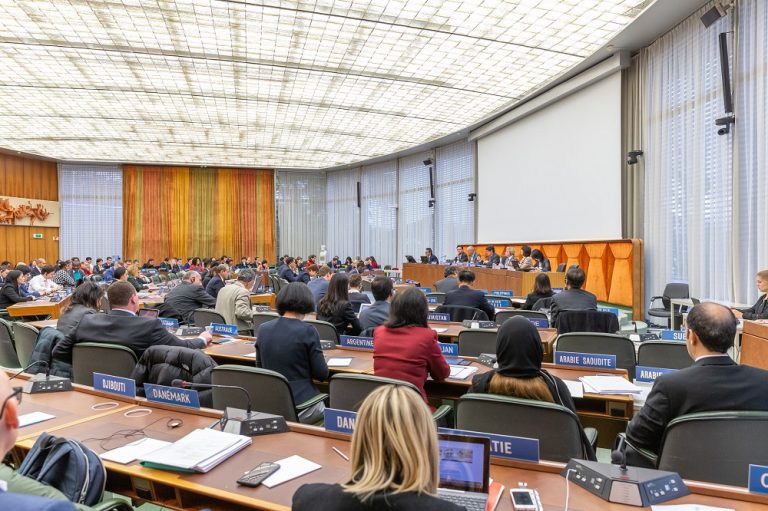
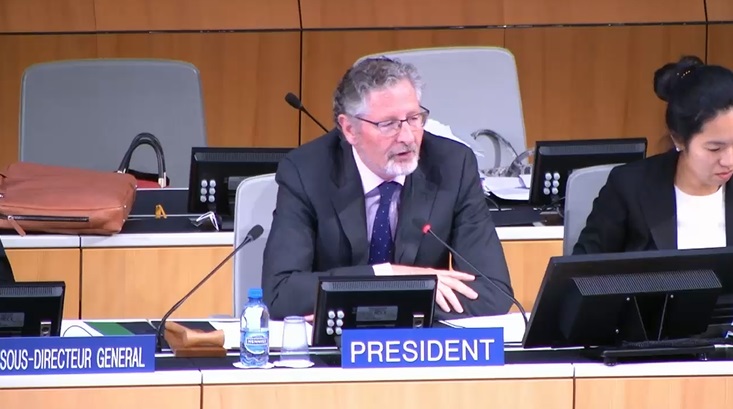
The ways to protect traditional knowledge and folklore against misuse and misappropriation are under discussion this week at the World Intellectual Property Organization. Member states are trying to find consensus on draft articles of a potential treaty, with a focus on core subjects, such as the scope of protection, and definition. Meanwhile, the fund which allows indigenous peoples to participate in the discussion is depleted, as calls for contributions have remained unanswered and some countries have refused in the past to allow WIPO's ample revenues to pay for them.

European Commission Introduces Its Inaugural IP “Watch List”

Echoing the United States' Special 301 Report on alleged inadequacy of trading partners’ protection of US intellectual property rights, the European Commission has released its first ever Counterfeit and Piracy Watch List, which exposes rogue cyberlockers, stream-ripping sites as well as peer-to-peer and BitTorrent indexing sites among the threats to the EU's legitimate intellectual property-driven businesses.

The Future Of The Ideas Business – The Rise Of Data-Driven Invention

New ideas are getting harder to find, and with less ideas there is a decline in organisational productivity and economic growth. This isn’t new, nor is the fact that to counterbalance the decline in idea generation, research and development have received and continue to require heavy investment. But with daily news of innovation centres opening up across the globe, the question remains whether initiatives like open innovation, crowdsourcing, or simply putting more scientific brains together will do this investment justice.

Last month, leading representatives of the IP, R&D and technology arenas met in Switzerland to discuss a technology-based alternative to human only idea generation. Hosted by data-driven invention company Iprova, the 2nd Data-Driven Invention Forum saw attendees from companies, such as Panasonic, Philips and DuPont as well as many other global organisations explore the future of innovation and the role data-driven invention plays in it. Here are some of the conclusions of the conference.

Licensing Experts Share Experiences At WIPO

Voluntary licences are cited by some as the best way to facilitate access to medicines. Terms of the licences are important, many factors have to be taken into consideration, and the earlier the better, as explained by licencing experts at the World Intellectual Property Organization this week.

Report: Core Copyright Industries Add $1.3 Trillion To US Economy

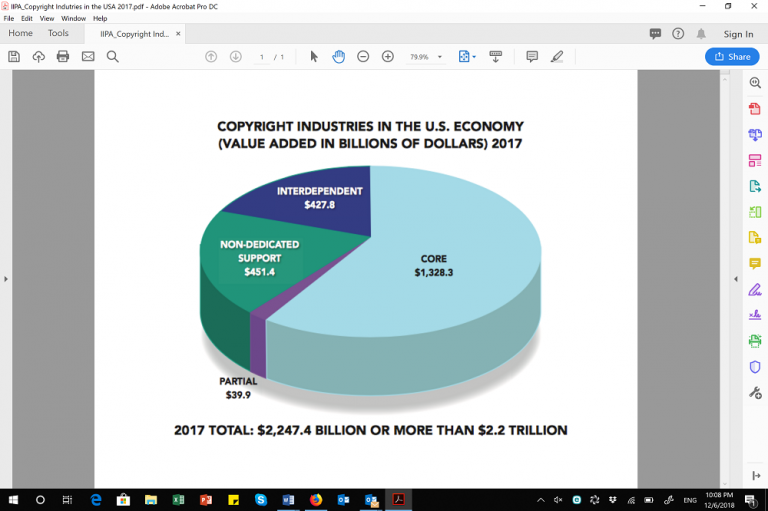
Core copyright industries have contributed more than $1.3 trillion to US gross domestic product (GDP) in 2017, and accounted for 6.85% of the US economy. They employed nearly 5.7 million workers in 2017, accounting for 3.85% of the entire US workforce, or 4.54% of total private employment in the United States, according to the International Intellectual Property Alliance (IIPA)'s “Copyright Industries in the U.S. Economy: The 2018 Report.”