Original news and analysis on international IP policy
EU Copyright Reform Proposal Clears Lead Legislative Committee, To Cheers And Jeers
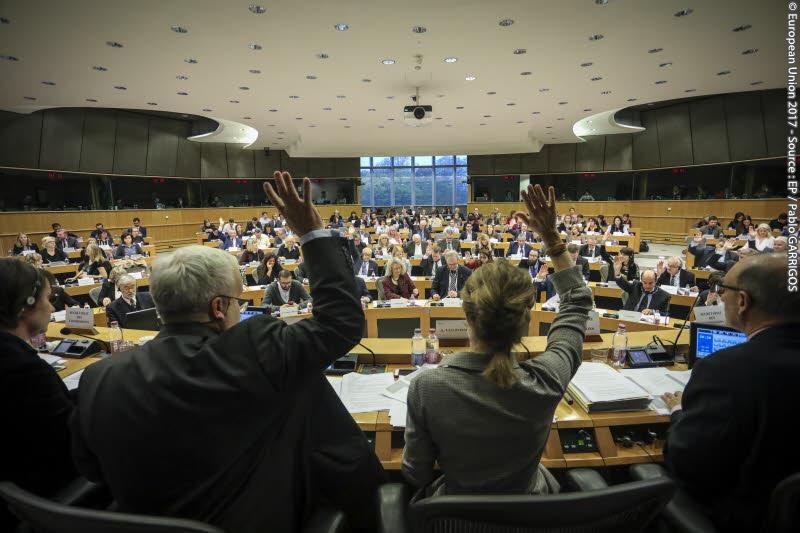
The European Parliament Legal Affairs Committee (JURI) adopted its report on the European Commission-proposed copyright in the digital single market directive yesterday. The vote, by the lead committee vetting the proposal, sparked a continuation of the acrimonious debate that has raged for many months over several controversial provisions: The creation of a new right for online publishers and a requirement that Internet platforms monitor users’ uploads for copyright infringements. The narrow majority that approved the report by German Member of the European Parliament (MEP) Axel Voss, of the European People’s Party, “suggests that the struggle is still long,” telecom consultant Innocenzo Genna blogged.
The European Parliament Legal Affairs Committee (JURI) adopted its report on the European Commission-proposed copyright in the digital single market directive yesterday. The vote, by the lead committee vetting the proposal, sparked a continuation of the acrimonious debate that has raged for many months over several controversial provisions: The creation of a new right for online publishers and a requirement that Internet platforms monitor users’ uploads for copyright infringements. The narrow majority that approved the report by German Member of the European Parliament (MEP) Axel Voss, of the European People’s Party, “suggests that the struggle is still long,” telecom consultant Innocenzo Genna blogged.
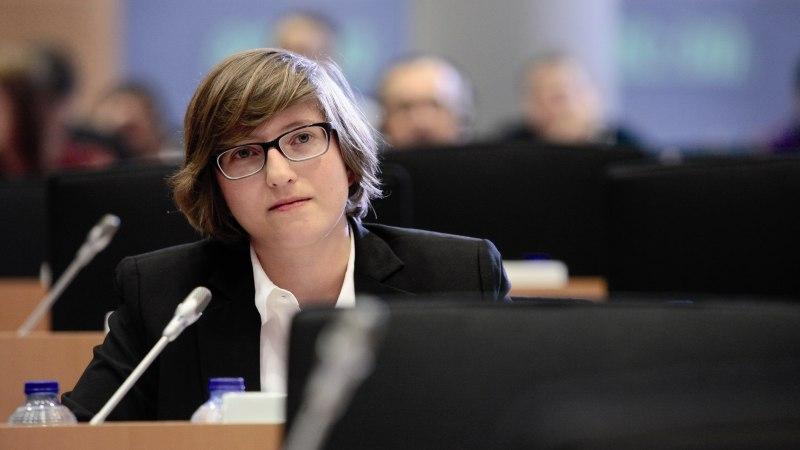
The two contentious articles are Article 11 (the “neighbouring right” or “snippet tax”) and Article 13 (upload filters). As noted in a press briefing ahead of the vote by German MEP Julia Reda of the Greens/European Free Alliance, the EC proposed that even short snippets of news articles be licensed for 20-year terms. Voss’s JURI report shortened the protection term to five years, while Reda proposed a “presumption rule” that presumes that publishers have the right to licence and enforce the copyright of content they publish.
Article 13 would require platforms that make “large amounts” of user uploads publicly available to filter the content for copyright violations, Reda’s briefing noted. Voss proposed that platforms be held liable for their users’ copyright infringements and that the article apply to any platform that makes users’ uploads publicly available, apart from Wikipedia and a few others, she said. Reda proposed that active platforms use fair licence agreements and that upload filters be banned.
JURI members today backed the publishers’ neighbouring right, bringing cheers from the European Publishers Council, European Magazine Media Association, European Newspaper Publishers’ Association and News Media Europe. The right will encourage companies that want to monetise publishers’ content to seek permission and a licence to do so, while continuing to allow individuals to share links for free, the groups said in a news release. The Federation of European Film Directors, Federation of Screenwriters in Europe and Society of Audiovisual Authors said the new right would allow authors to “benefit from the constantly growing on-demand exploitation of their works.”
The approval of the EC proposal on upload filters brought praise from the Independent Music Companies Association (IMPALA), which said the “strong and unambiguous message” clarified what the music industry has said for years: “If you are in the business of distributing music or other creative works, you need a licence, clear and simple.” IMPALA criticised the “relentless scare-mongering and misleading statement made by astro-turf organisations working for some tech giants trying the preserve the status quo.”
But others slammed the JURI vote on Articles 11 and 13. “These measures will break the internet,” Reda said in a press. Requiring licences to spread the news won’t help fund journalism, but will shut down the sharing of professional news content and threaten smaller publishers who rely on their articles being shared, she said. Automatic filters will end up blocking legitimate and harmless creations like memes and parodies and kill off European platforms and start-ups that can’t afford to comply, she said.
“Upload filters are opposed by every independent, expert voice in this debate,” said European Digital Rights Senior Policy Advisor Diego Naranjo. Upload filtering will make the internet change “from a place where consumers can enjoy sharing creations and ideas to an environment that is restricted and controlled,” said European Consumer Organisation Director General Monique Goyens.
“Hundreds of academics, civil rights groups and the online sector have all opposed these measures,” said Computer & Communications Industry Association Senior Policy Manager Maud Sacquet. Upload filters will harm Europeans’ fundamental rights and undermine platforms’ limited liability regime, she said.
What’s Next
JURI asked to use a procedure that allows the committee to deal directly with the negotiations with the EC and Council without a mandate, Genna wrote. However, MEPs can oppose that request in plenary session if 10 percent of them vote against it, he said. Reda said she will “challenge this outcome and request a vote in the European Parliament next month.”
The issues are important because safeguarding a quality industry for content and journalism is “fundamental in European society,” said Genna. That said, the proposal on the table “seems to cause so much collateral damage that it should be heavily rethought.”
It’s no coincidence, he added, that the “great fathers of the Internet (including Vincent Cerf, Tim Berners-Lee and Tim Wu) and the [United Nations] expert for freedom of expression, David Kaye, have recently [open letter available here] intervened by asking to stop and restart from scratch.”
[…] The agreed draft text appears to incorporate two articles that have been the subject of intense debate for many months, Arts. 11 (neighbouring right or snippet tax) and 13 (upload filters) (IPW, European Policy, 20 June 2018). […]
[…] step in passing controversial copyright law that could ‘censor the internet’ (The Verge)20/06 EU Copyright Reform Proposal Clears Lead Legislative Committee, To Cheers And Jeers (Intellectual Property Watch)20/06 New EU Rules Could Ban Memes and Destroy the Internet as We Know […]

 The EC proposal is here.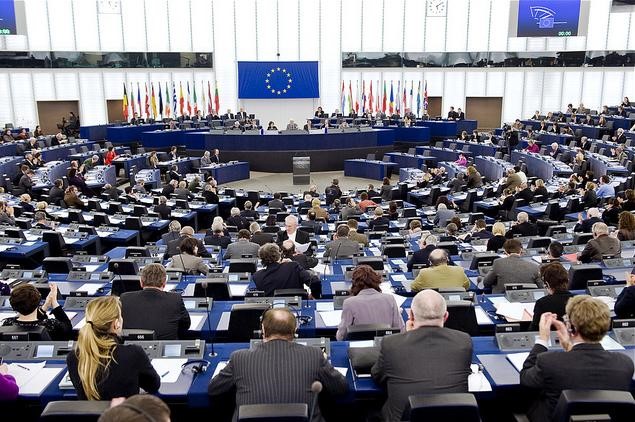

[…] Whose cheers? The #copyright millionaires? http://www.ip-watch.org/2018/06/20/eu-copyright-reform-proposal-clears-lead-legislative-committee-ch… […]
[…] The agreed draft text appears to incorporate two articles that have been the subject of intense debate for many months, Arts. 11 (neighbouring right or snippet tax) and 13 (upload filters) (IPW, European Policy, 20 June 2018). […]
[…] step in passing controversial copyright law that could ‘censor the internet’ (The Verge)20/06 EU Copyright Reform Proposal Clears Lead Legislative Committee, To Cheers And Jeers (Intellectual Property Watch)20/06 New EU Rules Could Ban Memes and Destroy the Internet as We Know […]