Year 2017

WIPO Hosts Widely Represented Discussion On Vaccine Innovation And Access

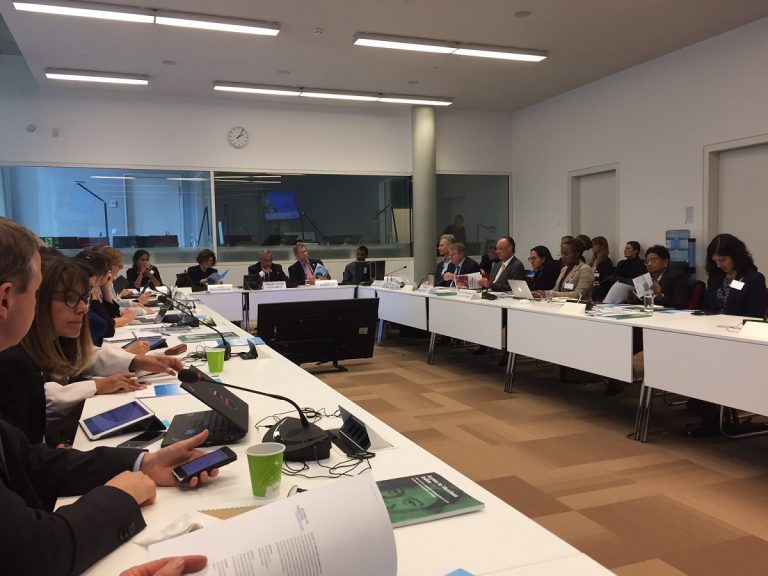
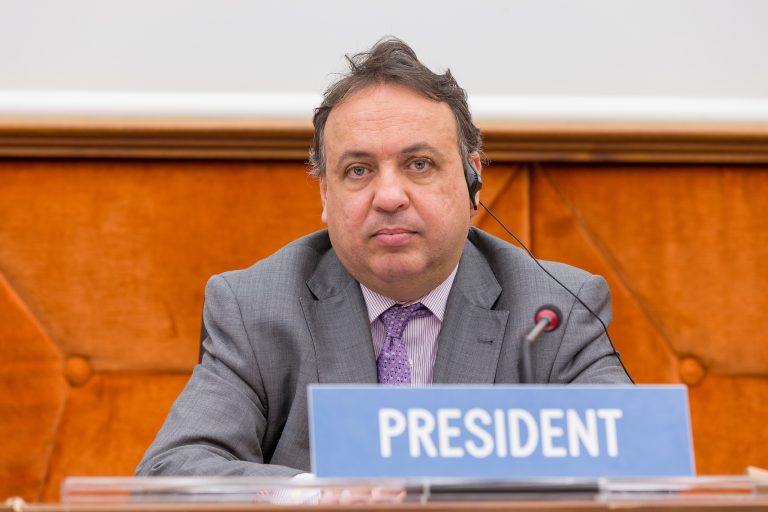
A well-represented set of experts this week held discussions on the current situation of access to vaccines, the market, the role of pharmaceutical companies, and partnerships. Vaccines were not a field much affected by patents in the past, but the situation has changed and new vaccines are now covered by intellectual property, which might constitute a barrier to access, according to speakers.

South Centre: Clear Rules Needed On Biosimilars Equivalence To Help Market Entry, Lower Prices

As soon as 2022, biological drugs made from active protein substances are expected to make up 50 percent of the pharmaceutical market, as they are increasingly used to treat a number of illnesses such as diabetes, cancer and hepatitis. But with the high price of therapeutics and difficulty in producing biologically similar products, and with the originator products now coming off patent, regulation is of high importance, says a new report from the intergovernmental South Centre.

Custom Built Software And The IP Law – What You Need To Know

The practice of building custom software is alive and well despite the emergence of tons of ready to use offline and online business apps. Businesses build custom software for various reasons. Some are unsatisfied by solutions available on the market, others need very specific features or overall functionality, security and privacy concerns are another major driver of tailored software development. The process of building custom software involves five basic stages, if you stick to traditional software development workflow, or an indefinite number of iterations under agile development method. Both approaches, however, include various scenarios in which intellectual property rights are involved, writes Jorge Sagastume.

WHO Issues Guidelines Against Antibiotic Overuse In Farms And Food Industry

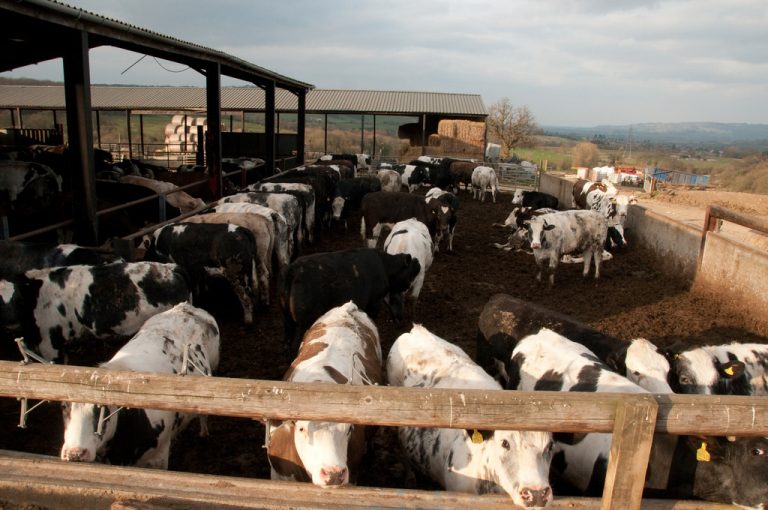
Against the growing threat of a world where bacteria can kill again because they have developed resistance to available antibiotics, and the lack of new promising options in the research pipeline, several international agencies are seeking solutions. The World Health Organization today published a set of recommendations to help stop the routine use of antibiotics to promote growth and prevent disease in healthy animals.

Hepatitis C Buyers’ Clubs Grow Worldwide As A Way To Obtain Affordable Treatment

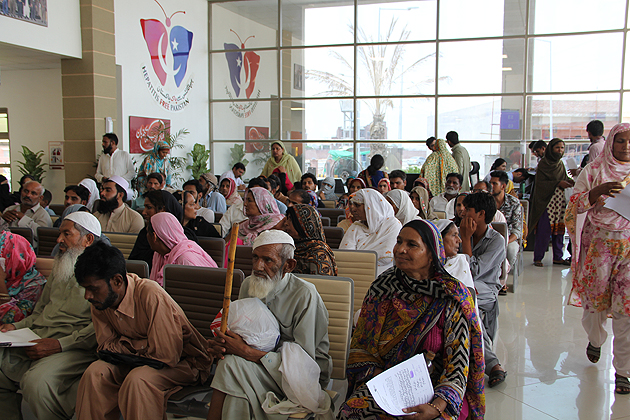
Hidden amongst the thousands of Facebook pages given over to holiday snaps and gossip are groups of patients who have hepatitis C, a disease that affects more than 70 million worldwide and kills around 400,000 people a year. But importantly, these groups of patients from Russia to Australia have got together to help each other import a relatively new class of drug that is able to cure most of the patients who take it.

UPOV Approves Budget, Explains Contribution To SDGs; Civil Society Disagrees

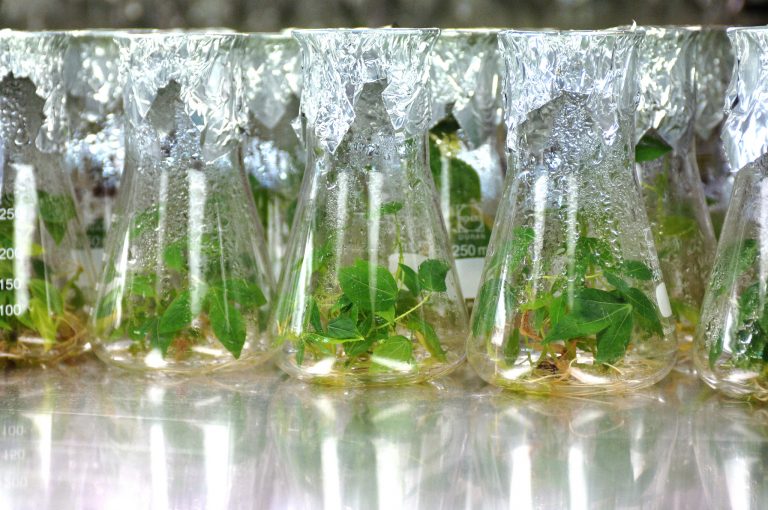
The International Union for the Protection of New Varieties of Plants (UPOV) met a few days ago and took a number of decisions, such as approving its budget for the 2018/2019 biennium, adopting a document describing the union's contribution to the United Nations Sustainable Development Goals, and the extension of the appointment of its vice secretary general. Civil society, however, has issues with UPOV's take on its contributions to the SDGs. They also reiterated their request that farmers be included in UPOV's decisionmaking.

Uganda Parliament Passes Bill To Promote Use Of Genetically Modified Materials, Biotech

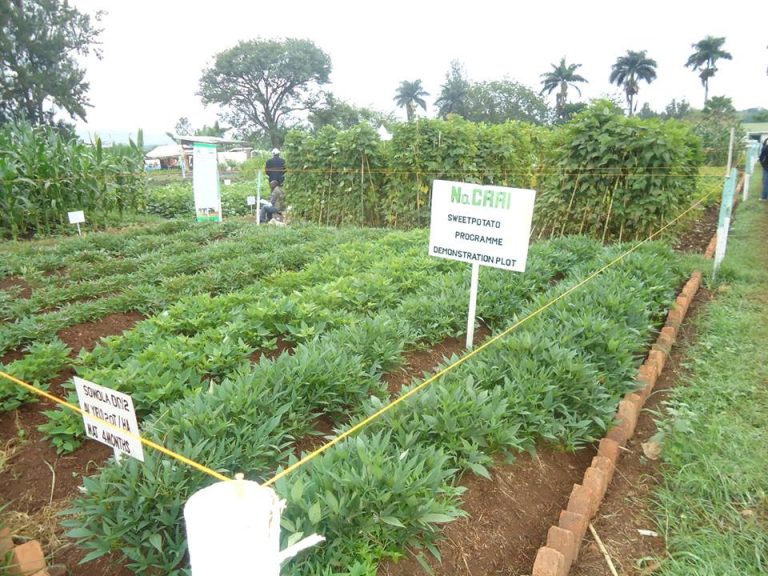
KAMPALA, Uganda -- Several genetically modified crops that are more resilient to drought, flooding, saline or acid soils and temperature extremes resulting from climate change are already being researched in Uganda and are in advanced stages. The enactment of an enabling law, the Uganda National Biosafety Bill 2017, is intended to enhance the development of modern biotechnology.

WIPO Trademark Committee Agrees On Work Programme For GIs, Action On Country Names

Statements were praiseful at the close of the World Intellectual Property Organization committee on trademarks, industrial designs, and geographical indications meeting this week. After a number of unsuccessful past sessions, delegates agreed on a work programme on geographical indications. They also decided on a half-day information session on the examination by trademark offices of requests including country names, during the next session of the committee.

The User Rights Database: Measuring The Impact Of Copyright Balance

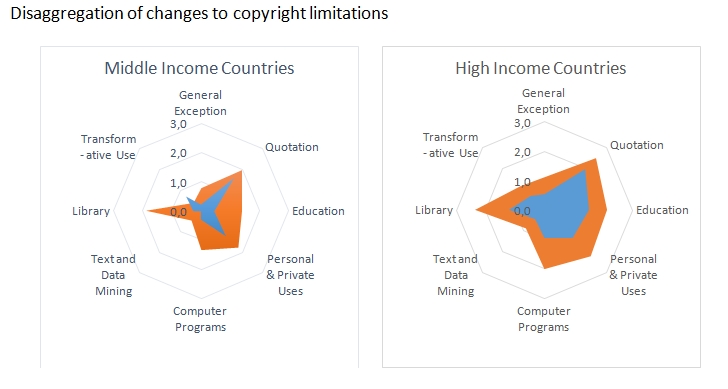
PIJIP’s Copyright User Rights Database tracks changes to copyright user rights (aka limitations and exceptions) over time in a sample of 21 countries of different development levels. The data assesses the degree to which other countries have adopted exceptions that are as open as the US fair use right – i.e. open to a use of any kind of work, by any kind of user and for any purpose. The instrument and results are available at infojustice.org/survey.