Year 2017

Obviousness In The Wake Of Arendi

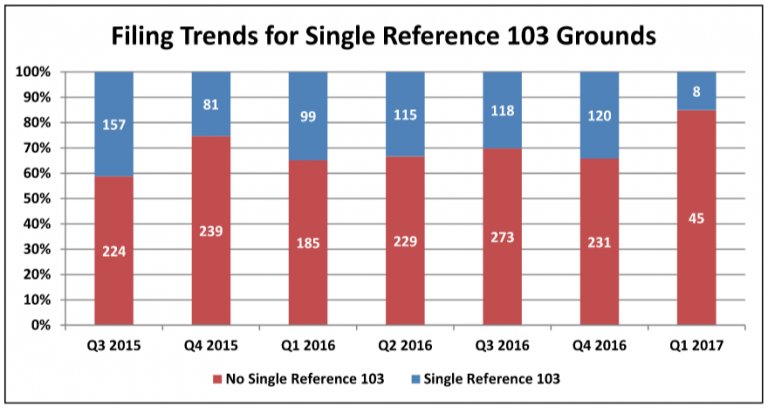
Since the U.S. Court of Appeals for the Federal Circuit issued its opinion in Arendi S.A.R.L. v. Apple Inc. last August,[1] many patent commentators have asserted that the decision marked a significant change in the analysis of obviousness under 35 U.S.C. § 103, especially as a weakening of single-reference obviousness grounds. Notwithstanding this decision, petitioners and the Patent Trial and Appeal Board have continued to rely on single-reference obviousness to assert and find that claims are obvious, write Amy Simpson and Kyle Canavera.
WIPO Gives Overview Of Its Legislative Assistance To Developing Countries

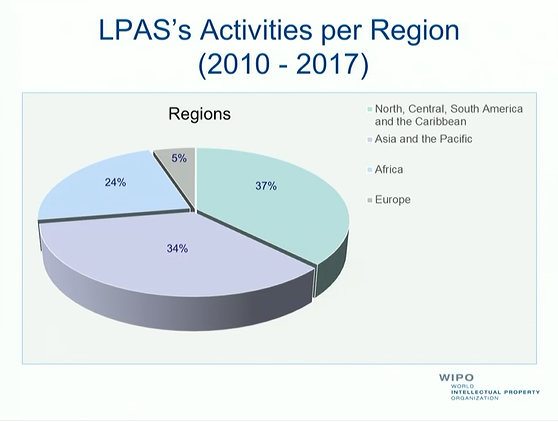
The World Intellectual Property Organization provides legislative assistance to countries upon request. This week during the meeting of the Standing Committee on the Law of Patents, the secretariat explained how WIPO provides this legislative assistance. This followed a 2015 proposal to revise WIPO’s 1979 Model Law for developing countries on inventions. The proposal was not accepted by developed countries concerned over the extent of the task, and some pointing out that WIPO is delivering more effective tailored legislative assistance.

WTO Ministerial Unable To Cut Deals; Members Set Up Plurilateral Groups On E-Commerce, Other Issues

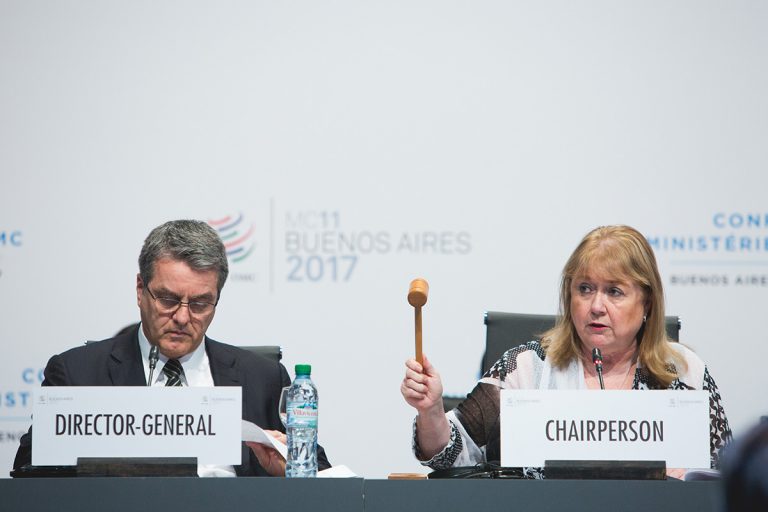
The 11th Ministerial Conference of the World Trade Organization (MC11) ended without a joint ministerial declaration and without progress in some of the important agenda points on the table. Instead several groups of “friends” announced they would push ahead independently, with 71 members including the United States and the European Union announcing they will “initiate exploratory work together toward future WTO negotiations on trade related aspects of electronic commerce.”

Greg Perry Resigns As Director Of Medicines Patent Pool

After nearly five years as the executive director of the Medicines Patent Pool, Greg Perry has stepped down with little notice. [Update: the next day, it was announced that he has joined the International Federation of Pharmaceutical Manufacturers and Associations (IFPMA) in Geneva.]

WIPO Delegates Told Patent Information Essential, Given Revealing Data On Medicines Access and Trade

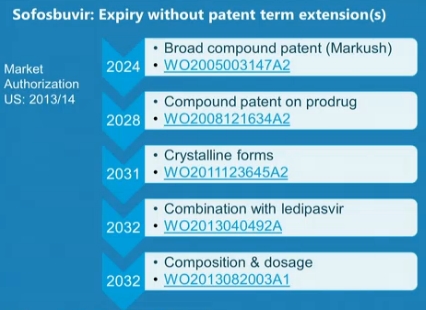
World Intellectual Property Organization patent law committee delegates heard a number of presentations this week on the relationship between patents and health, and access to medicines. The importance of patent information and accurate, up-to-date databases was underlined, particularly for procurement. The weight of intellectual property rights on the issue of access to medicines and prices and generic market entry was pointed out, but so were other factors, such as the small percentage of new drugs with added benefit, tariffs, and trade delays.

G-Finder Report: Global Funding For R&D In Neglected Diseases Increasing, Overreliance On US Funding Dangerous

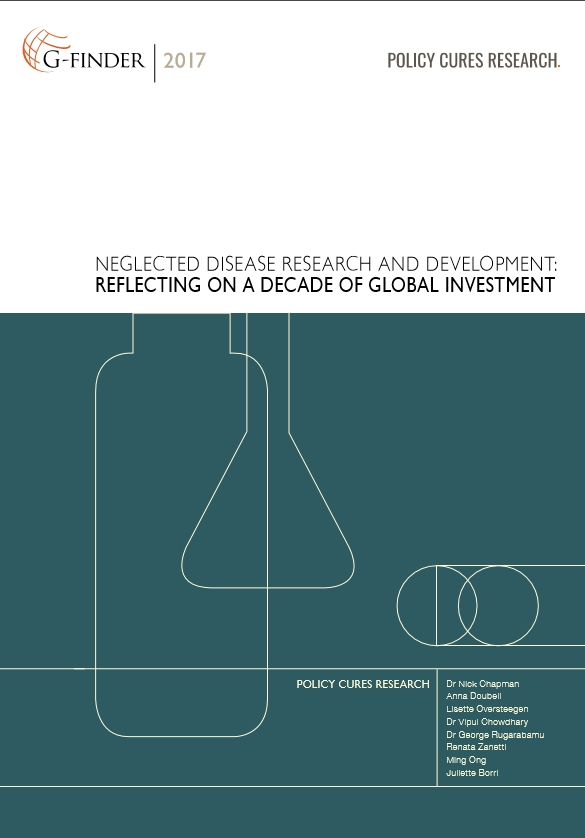
A report released today on global funding of research and development for neglected diseases found that global funding has increased but warns that overreliance on funding from the United States, which the report says is "unparalleled," and leads to a heavy concentration of global funding on HIV/AIDS, malaria and tuberculosis. This overreliance could also lead to change in total global funding, the report found.

Internet Governance Forum Next Week: Cyber Security, Artificial Intelligence, Big Data On Agenda

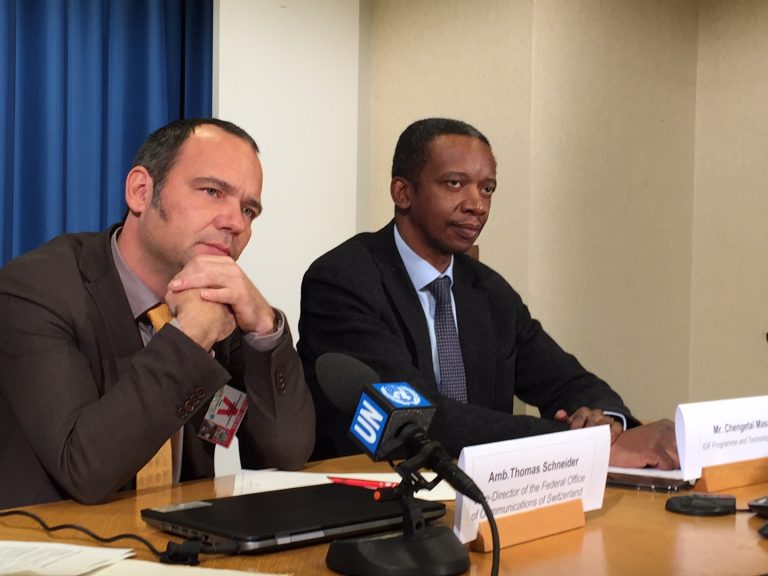
The 12th annual meeting of the Internet Governance Forum will open in Geneva next week. The United Nations entity, which presents itself as a free electron of internet governance, will host a large number of sessions addressing pressing issues of the digital world, including big data, cyber security, and artificial intelligence. Discussions held at the forum will enhance understanding of the broad issue of internet governance, and help hold actors accountable.

WHO, World Bank Say Half The World Population Cannot Access Essential Health Services

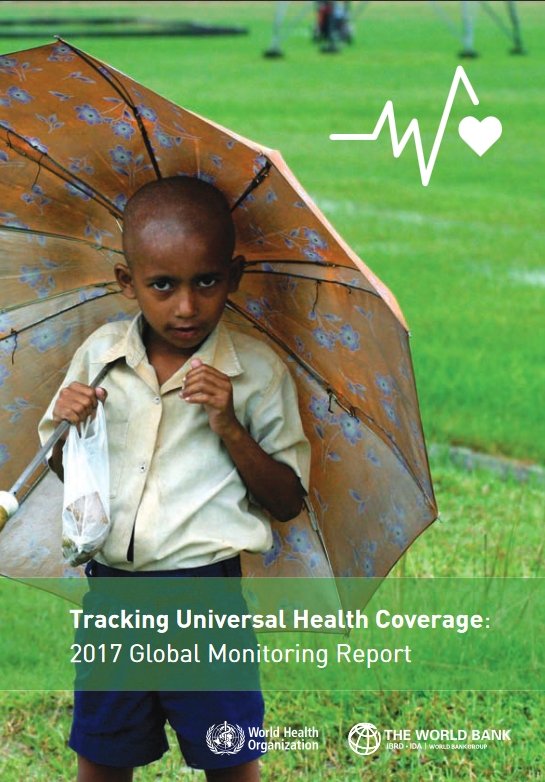
According to a report released today by the World Health Organization and the World Bank, at least half the world's population is lacking access to essential health services. Out of pocket expenses related to health care are pushing millions of people into extreme poverty each year, the report says. Both organisations say they are committed to working with countries to increase access to essential health services.

Patents And Health Under Discussion At WIPO This Week: What Role For The UN IP Agency?

Patents are often involved in public health policy discussions, and are considered by some as playing a major role in the escalating prices of new medicines, creating access issues. The World Intellectual Property Organization committee on patent law this week is discussing the issue and is holding information sessions by the Medicines Patent Pool, World Health Organization, and the World Trade Organization.

Medicines Patent Pool Expands Its Patent Database To Cancer Treatments

The Medicines Patent Pool (MPP) announced today that MedsPaL, its database of information on the patent and licensing status of selected HIV, hepatitis C, and tuberculosis medicines, now extends to patented treatments on the World Health Organization Model List of Essential Medicines. New patents data include medicines for leukaemia, breast cancer and other cancer indications.

WTO Ministerial: Challenging Start Despite Latin American Declaration For Multilateral Trade System

According to delegates speaking at the first plenary of the 11th Ministerial Meeting of the World Trade Organization in Buenos Aires today, member states face the risk of leaving with no joint agreement at all. For the much-debated e-commerce file for example there are eight different and irreconcilable proposals, the South African Ambassador Xavier Charm, chairman of the General Council, reported during the Welcome Session Sunday evening.