Year 2017

Access To Medicines Foundation Details Methodology For 2018 AMR Benchmark

The Amsterdam-based Access to Medicines Foundation today published the methodology it will use for its 2018 framework for evaluating how pharmaceutical companies are taking action to limit antimicrobial resistance, addressing the rising the global problem of overuse of antibiotics leading to resistance with few new ones in the pipeline.

The Dilemma Of Fair Use And Expressive Machine Learning: An Interview With Ben Sobel

Intellectual Property Watch recently conducted an interview with Ben Sobel, law and technology researcher, teacher, and fellow at Harvard University's Berkman Klein Center for Internet and Society. Sobel has focused his research on copyright and the fair use doctrine, in particular in the context of artificial intelligence (AI). Below, he shares his views on expressive machine learning, “the fair use dilemma” and “Big Content versus Little Users”. The most pressing copyright question has to do with AI readers, not AI authors, according to Sobel.

INTA Pro Bono Trademark Clearinghouse Takes Off

This summer, the International Trademark Association (INTA), the global trademark industry group, launched a one-of-a-kind pilot program offering pro bono attorneys the opportunity to help nonprofits and others obtain and protect trademarks. And in its first weeks, it is already receiving submissions and a positive response, according to an INTA representative.

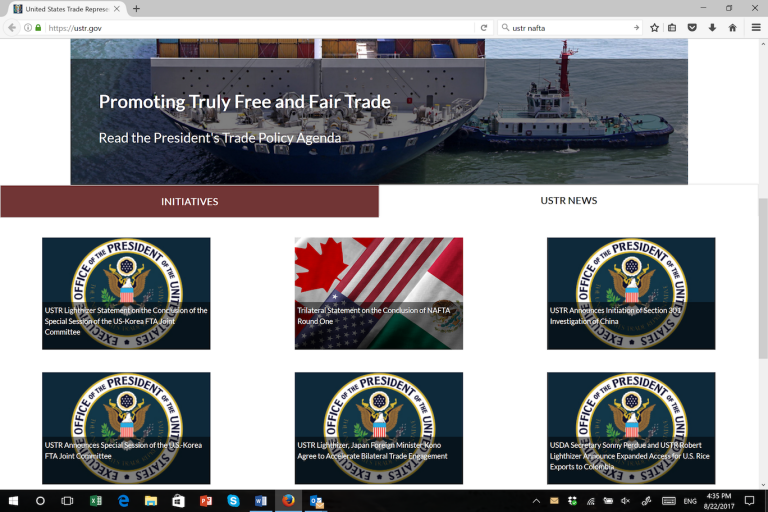
US Issues Spate Of Trade Announcements, With IP In The Foreground

With much of the rest of the western world on holidays, the Office of the United States Trade Representative spent this month in meetings and issuing statements about improving international trade conditions for the US.

Over the past two weeks, United States Trade Representative Robert Lighthizer and other senior officials have been involved in activities with Canada and Mexico (under renegotiation of the 1994 North American Free Trade Agreement, NAFTA), Japan, South Korea, and China.

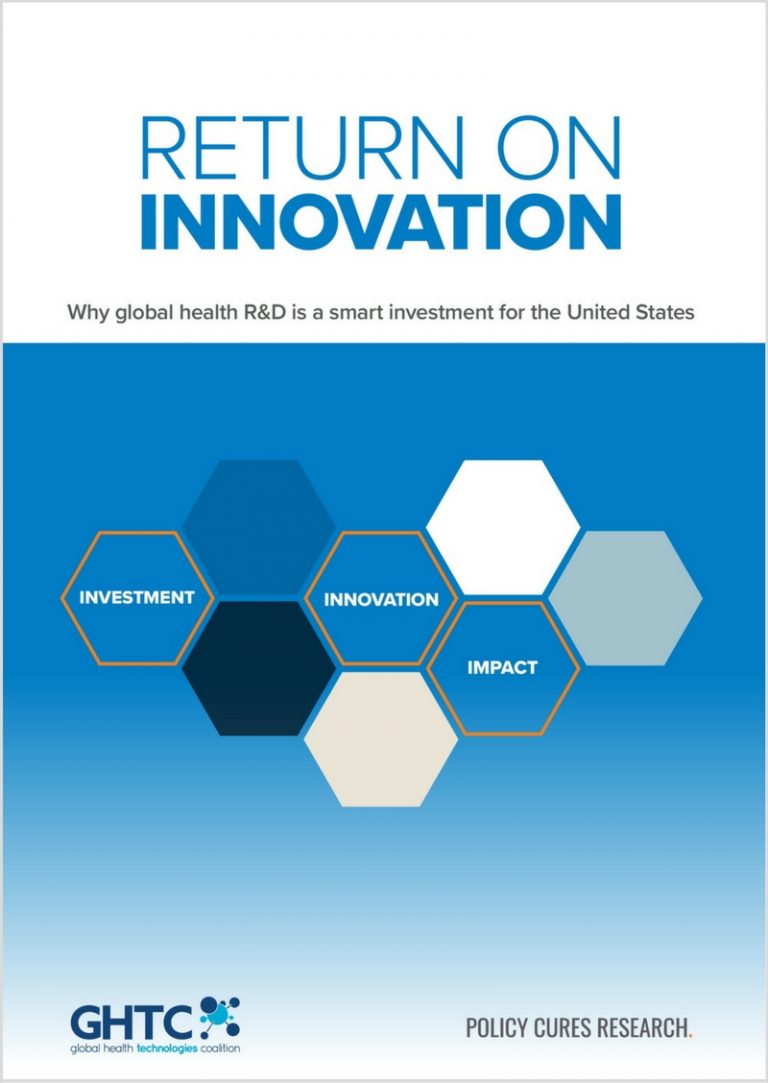
Report Shows Benefits Of US Investment In Global Health R&D

A new report from a global health advocacy group in Washington, DC shows the importance to the United States of US government investment in global health research and development and argues that more investment would have a tremendous positive impact on lives worldwide, including in fighting neglected diseases.

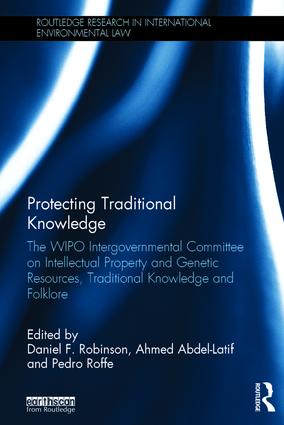
New Book Puts WIPO Traditional Knowledge Committee In Perspective

A new book with contributions from key thinkers on the subject details the long history and intensive negotiations of the World Intellectual Property Organization committee on genetic resources, traditional knowledge and folklore, making a case for conclusion of binding international agreements in these areas as a way to close gaps in intellectual property policy.

Troubled Federal Circuit Hobbles US Patent System

It’s been another dismal term for the Federal Circuit Court of Appeals. Six of its patent law decisions were reviewed in the US Supreme Court’s 2016-17 term, and the Federal Circuit’s decisions were overturned in all six cases. That, unfortunately, is not surprising. Over the past 15 years, the tribunal once known as the nation’s “patent court” has seen many of its most important patent law decisions reversed by the Supreme Court– sometimes in withering opinions. This has seriously undermined the Federal Circuit’s power, reputation, jurisprudence, and (apparently) self-confidence – causing a major problem for the United States’ patent system.

Report From WHO Fair Pricing Meeting Shows Balanced Discussion

A wide range of governments and stakeholders attended a closed meeting in the Netherlands in May to address the ongoing problem of pricing medicines to pay for research and the resulting lack of affordability of those medicines. The report from the World Health Organization-led meeting shows a range of points were made by participants and signals a move to change the global policy.

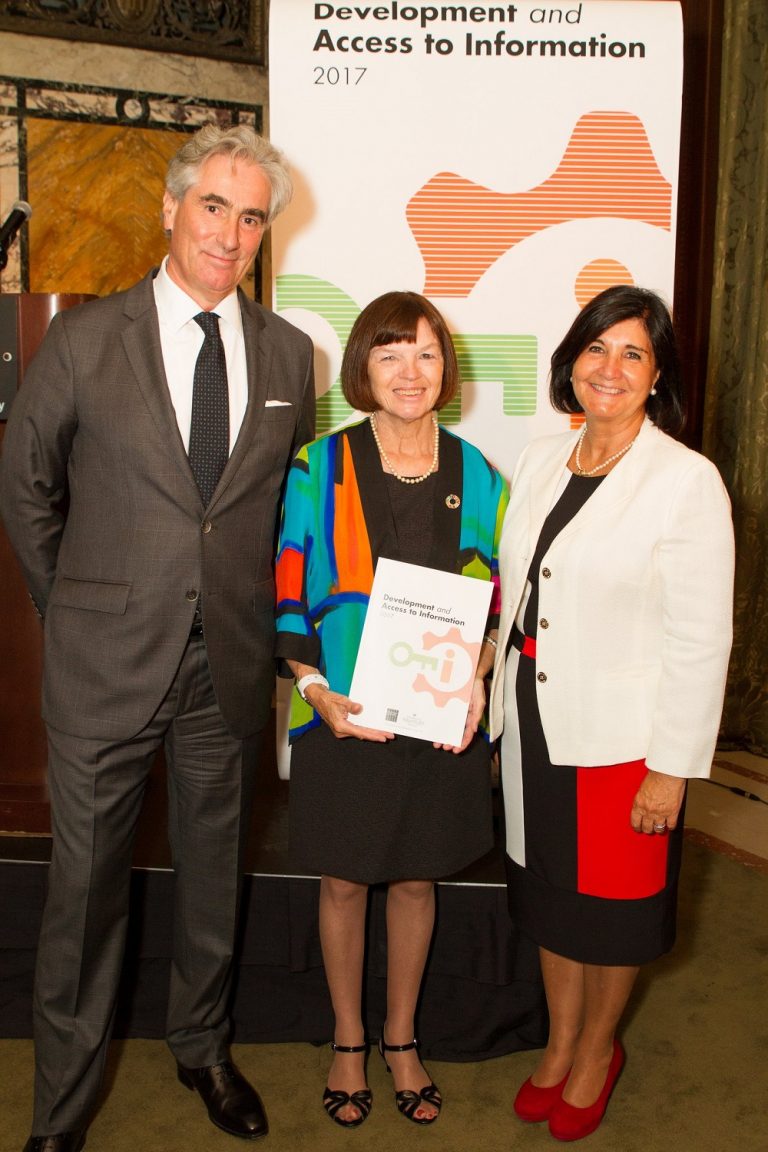
Information, Access, And Development: Setting A Course For The Sustainable Development Goals

Gerald Leitner writes: Information is the raw material for decision-making. When individuals and groups make the right choices, based on good information, their chances of taking a full role in economic, social, cultural and civic life improve. They can better create and innovate, participate in politics, find and do their jobs well, and live healthily.

Informed citizens and communities are also essential to the UN’s 2030 Agenda. We cannot have sustainable development when individuals are not able to deal with new choices and challenges autonomously, drawing on access to information. And we cannot have inclusive development, with no-one left behind, unless this access is real and meaningful for everyone.

Libraries have long sought to do this, making sure that the world’s heritage is preserved and made accessible, allowing the sharing of knowledge between institutions and across borders, and giving children, families, students and others the chance to enjoy works which they could never afford to pay for individually.