
By Joseph Rothberg, attorney, Brutzkus Gubner
In a US hamburger battle, it appears that Smashburger may soon end up with a bad taste in its mouth if In-N-Out’s allegations in its latest trademark complaint against Smashburger are proven true.
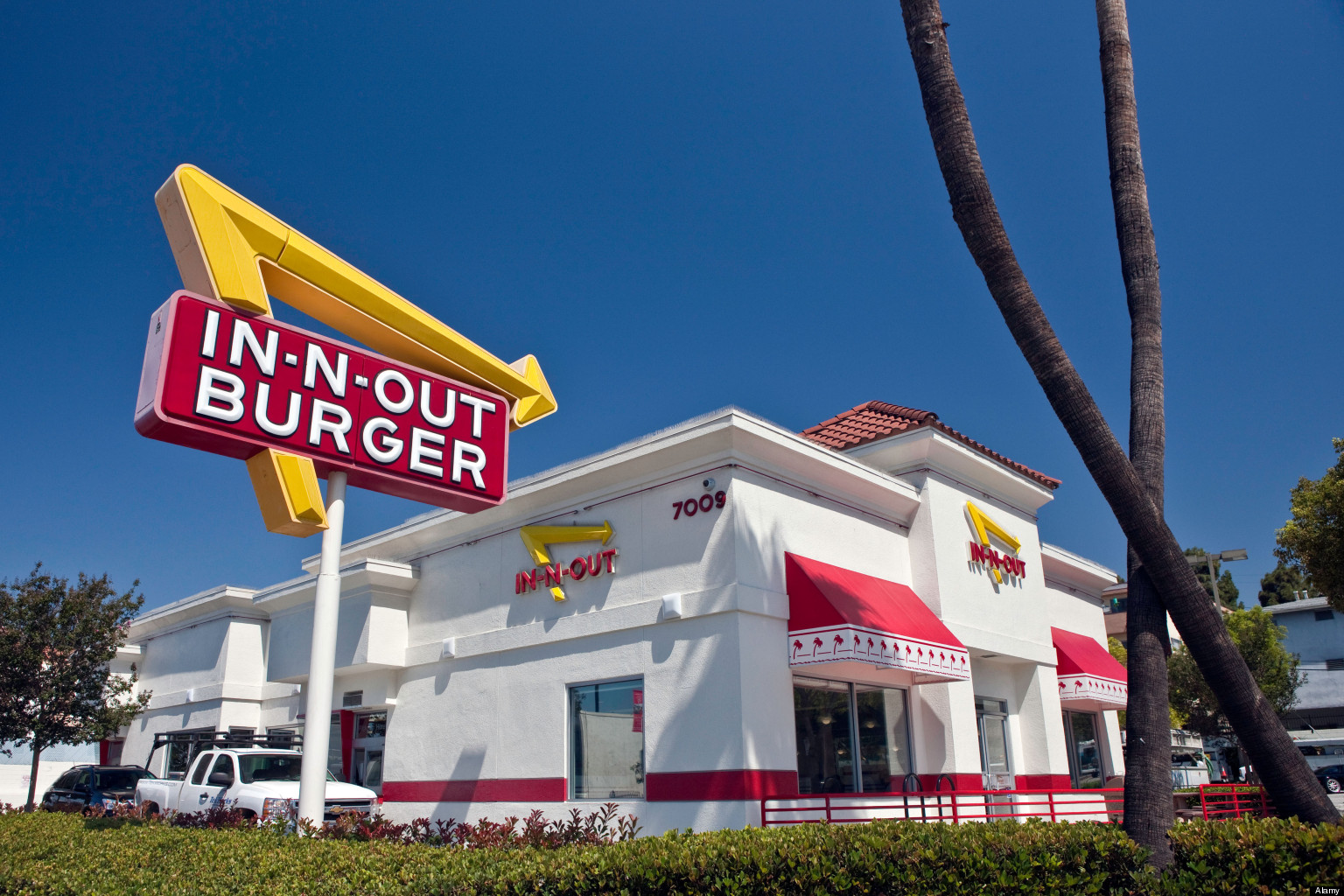 Last week, In-N-Out Burger filed a lawsuit against Smashburger, alleging that some of the newest mainstays on Smashburger’s menu violated In-N-Out’s trademark rights. In n Out Burgers v. Smashburger IP Holder LLC and Smashburger Franchising LLC, Case No. 8:17-cv-01474-JLS-DFM, case filed August 28, 2017, ECF Docket No. 1.
Specifically, the Complaint alleges that, just last month, Smashburger began serving burgers called the Triple Double burger and the Smashburger’s triple double. In-N-Out alleges that this infringes upon its registered trademarks for the “double-double”, the “triple-triple”, the “3×3” and various other names for products that In-n-Out sometimes sells off its posted menu, and sometimes promotes only under its self-described “Not-So-Secret Menu.” See Ibid at p. 4 – 9.
In-N-Out sued for, amongst other claims, trademark infringement and dilution.
Individuals may disagree about the similarity of these marks. However, that is not the end-all-be-all in trademark cases. The test for trademark infringement, from in the 9th Circuit, is determining whether consumer confusion may result. The infamous Sleekcraft factors will be used to make the factual allegations in the lawsuit easier to digest, and help the Court determine whether consumers will be confused between In-N-Out’s various burger trademarks, such as the double-double, with Smashburger’s triple-double. These factors include, but are not limited to:
- the strength of In-N-Out’s trademarks at issue here;
- proximity of the goods – i.e. how similar the actual goods are;
- the similarity of the marks;
- evidence of actual consumer confusion;
- the marketing channels used to promote the goods;
- the type of goods and the degree of care likely to be exercised by the purchaser;
- Smashburger’s intent in selecting its triple-double trademark; and
- Smashburger’s likelihood of expansion of the product lines.
See AMF Inc. v. Sleekcraft Boats, 599 F.2d 341, 348–49 (9th Cir. 1979).
Infringement, however, is not always what a trademark lawsuit is all about.
In-N-Out has also sued for trademark dilution. Unlike infringement, dilution is not about consumer confusion. Rather, trademark dilution is a trademark law concept giving the owner of a famous trademark standing to forbid others from using that mark in a way that would lessen its uniqueness. See 15 U.S.C. § 1125.
And, in an interesting twist, to determine if In-N-Out’s registrations for its burgers are being diluted, the Court must first determine whether the trademarks are legally famous. In-N-Out may call the names for its burgers famous, and in its Complaint refers to its secret menu as the “not-so-secret” menu to emphasize this. However, there is, of course, a legal test for the famousness of a trademark.
In determining the degree of fame a mark retains, courts employ a non-exclusive list of four factors that a court may consider. These factors include:
- The duration, extent, and geographic reach of advertising and publicity of the mark, whether advertised or publicized by the owner or third parties;
- The amount, volume, and geographic extent of sales of goods or services offered under the mark;
- The extent of actual recognition of the mark; and
- Whether the mark was registered under the Act of March 3, 1881, or the Act of February 20, 1905, or on the principal register.
See Jada Toys, Inc. v. Mattel, Inc., (“Jada”) 518 F.3d 628, 635–36 (9th Cir. 2008) (citing 15 U.S.C. § 1125(c)(2)(A). Notably, eight of In-N-Out’s ten marks at issue in the case are incontestable registrations, listed on the principal trademark ledger. This would add weight to In-N-Out’s case under the fourth factor for fame.
If a trademark is considered to be legally “famous” then In-N-Out must still prove that Smashburger’s use of “triple-double” as a trademark for its burger is diluting In-N-Out’s marks. To do so, the Court may consider all relevant factors in making this determination, including, but not limited to:
- The degree of similarity between the mark or trade name and the famous mark;
- The degree of inherent or acquired distinctiveness of the famous mark;
- The extent to which the owner of the famous mark is engaging in substantially exclusive use of the mark;
- The degree of recognition of the famous mark;
- Whether the user of the mark or trade name intended to create an association with the famous mark; and
- Any actual association between the mark or trade name and the famous mark.
See Jada, supra, at 636.
Of course, the Court will only reach these substantive questions of law if the case gets past the early pleading stage in which it currently resides – in other words, if In-N-Out’s complaint is found to be “well done.”
Perhaps, however, the case will develop and get more into the real saucy questions which remain. Chief among these questions may be – will several of In-N-Out’s trademarks, never actually stated on the menu but instead only included on the “not-so-secret menu” can be found legally famous? In-N-Out pleads that this is the case, but also notes in its complaint that these menu items are “widely known and used by customers by word of mouth or, more recently, by online communications like social media and blog posts.” See Complaint at p. 9, ¶¶20-22. This may portend an interesting new trend in advertising, branding, and its use in trademarks. Specifically, will an average juror feel that fame can be achieved by a company purposefully keeping its consumers on the “in” with a wink and a nod to a secret – but in this case, a secret that is promoted, but only by word of mouth and online?
Viral marketing strategies and their relation to a trademarks’ use, fame, promotion, and strength will be addressed more and more. Quite possibly, this case about the names of burgers may not be the only thing on the court’s menu in years to come, but may end up setting the table for other companies who try to bring trademark suits while using only viral marketing strategies.
Joseph Rothberg, Attorney at Brutzkus Gubner, regularly represents plaintiffs and defendants in commercial litigation, corporate and business, and intellectual property matters. He also serves as “outside general counsel” for a number of privately held small to medium sized businesses in the Los Angeles area.

[…] In-N-Out vs. Smashburger: A Juicy US Burger Lawsuit Invokes Multiple Trademark Law Doctrines […]