Year 2016

As Patients Wait, WHO Members Chip Away At Decision On Medical R&D Funding

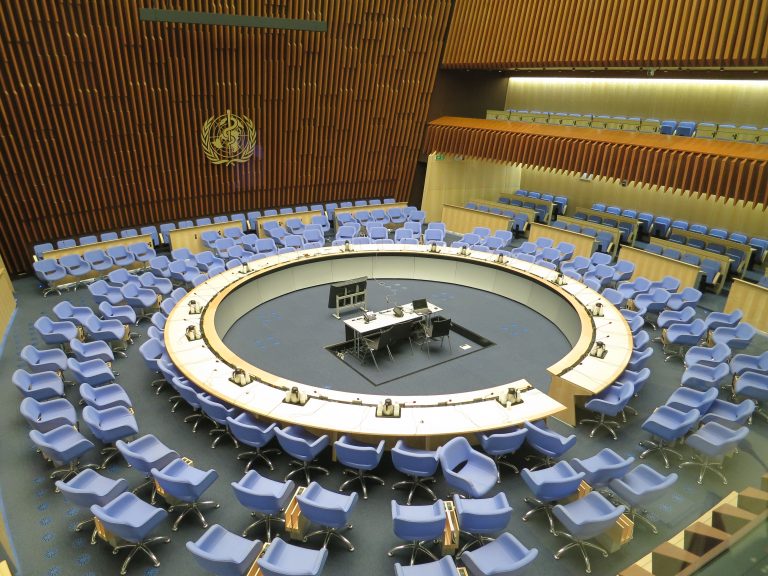
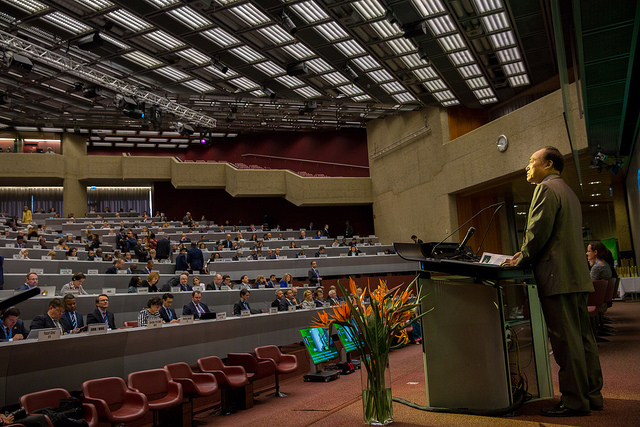
A number of World Health Organization member states attended a meeting last week aimed finding ways to sustainably finance research and development for medical products, especially those for poor populations lacking means to pay high prices. According to the outcome document and a WHO official, they heard many viewpoints from experts and made progress but much was left for the World Health Assembly later this month.

The Bipolar Nature Of Academic Publishing

Since the late twentieth-century shift from the liberal university to the neoliberal university (the latter distinguished by the managerial class installed to leverage and extract value from academic research, plus polish the brand of the franchise), the publications’ ecosystem for academics, foremost in the Arts and Humanities, has been altered beyond recognition. Notably, it has exponentially expanded while at the same time suffering maximum constriction in the form of what legal scholars have called the “great copyright robbery” (Bernt Hugenholtz, 2000), writes Gavin Keeney.

Citing “Toxic” Environment, US Congress Members Urge Secretary Kerry To Get UN Report On WIPO

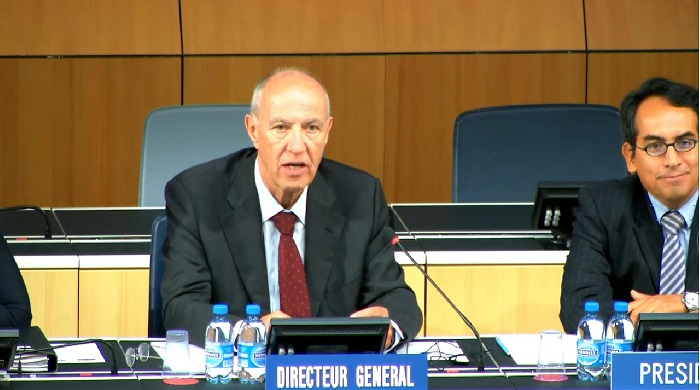
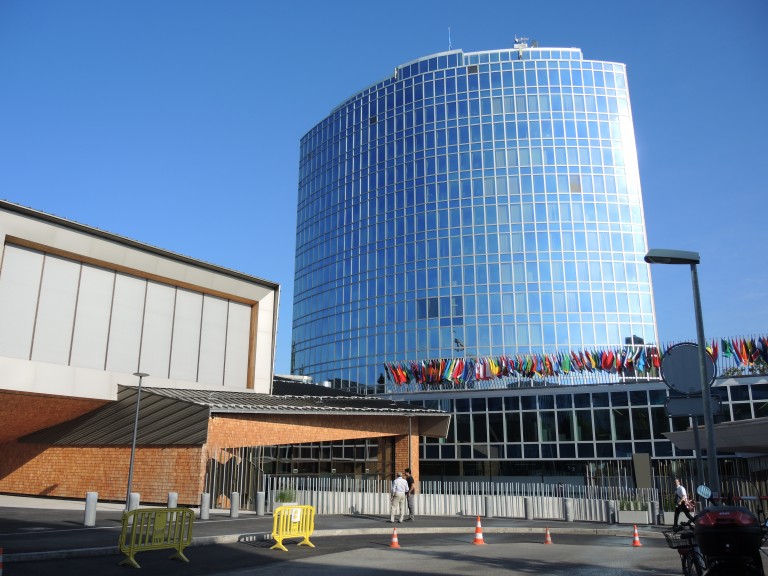
The bipartisan heads of several United States congressional subcommittees have sent a letter urging the Obama administration to obtain the full and uncensored United Nations report on an investigation into possible misconduct by the head of the World Intellectual Property Organization. Meanwhile, procedural wrangling may be taking place within WIPO on who has the right to suppress or see the report.

ICANN CEO Atallah: Gearing Up For Next Round Of New Internet Domains

One controversial issue from early days of the World Summit on the Information Society (WSIS) could come to final closure ten years later: the decoupling from US oversight of the Internet Assigned Numbers Authority (IANA), which manages the central root zone for the domain name system. Meanwhile, the next round of new internet domains is being teed up, the head of the domain name system oversight body has said.

Infojustice.org – Australian Commission Recommends Fair Use To Restore Balance In Copyright Law

Infojustice.org reports: A draft report by the Australian Productivity Commission (APC) concludes that the current copyright law fails to properly balance the interests of copyright holders and users. It warns that “Australia’s copyright arrangements are weighed too heavily in favour of copyright owners, to the detriment of the long-term interests of both consumers and intermediate users.” The APC makes recommends changes to the law to address the imbalance, including “the introduction of a broad, principles-based fair use exception.”