Year 2015

WHO Member State Mechanism On Fake Medicines Meeting This Week

This week the World Health Organization member state mechanism on falsified medicines is meeting in Geneva with a long agenda. In particular, the meeting is expected to consider a process for the mechanism review, the participation of the WHO in a global committee on the quality of health products, and several proposals including tracking systems and awareness campaigns.

Internet Governance Forum: Ten Years After

Ten years after feeble beginnings, the Internet Governance Forum, once the baby of the United Nations World Summit on the Information Society (WSIS), stood last week in Joao Pessoa. But in all these years, did it also learn to walk? The IGF is more popular than ever but also perhaps more inadequate than ever at containing and advancing the many views and concerns that are raised there by a multitude of global stakeholders.

WIPO Committee On Development And IP Agrees On Work Programme

Delegates at the World Intellectual Property Organization Committee on Development and IP (CDIP) ended a weeklong session agreeing on a programme of work for the next session including two future projects to be reconsidered. But this belies the degree of stasis and frustration in the committee.

WIPO Innovation Panel: Low Economic Growth Not The ‘New Normal’ For Long

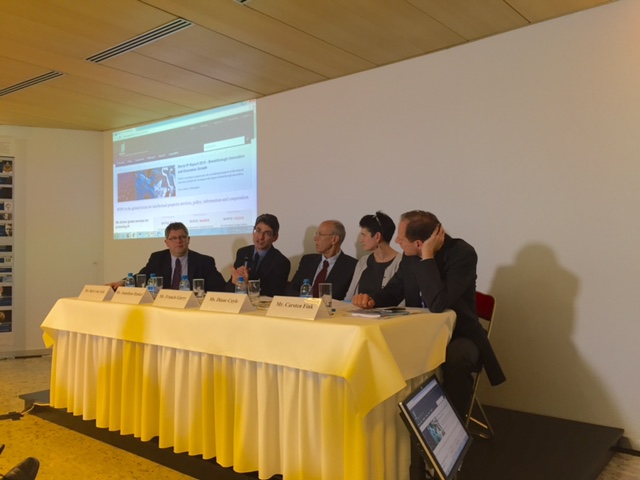
Consensus emerged among a panel of top economists last week at the World Intellectual Property Organization that as economies become increasingly intangible they are more susceptible to repercussions on growth caused by a financial crisis. Yet the shift towards a knowledge economy brings with it promise of increased economic growth in the long term, they said.

Geographical Indications, Design Law Treaty Up Next At WIPO

The controversial issue of geographical indications returns to the World Intellectual Property Organization stage this week, as the WIPO trademark committee is expected to consider a new document put forward by the United States, and a proposal from France. The meeting comes just weeks after GIs dominated the annual WIPO General Assembly, nearly leading to suspension of the UN agency’s budget before an all-night session ended in agreement there.

Also on the agenda next week is a potential treaty on industrial designs that could be on its way to a final treaty negotiation (diplomatic conference) in 2017.

WHO Director Questions IP Rights, Drug Prices, Industry Influence

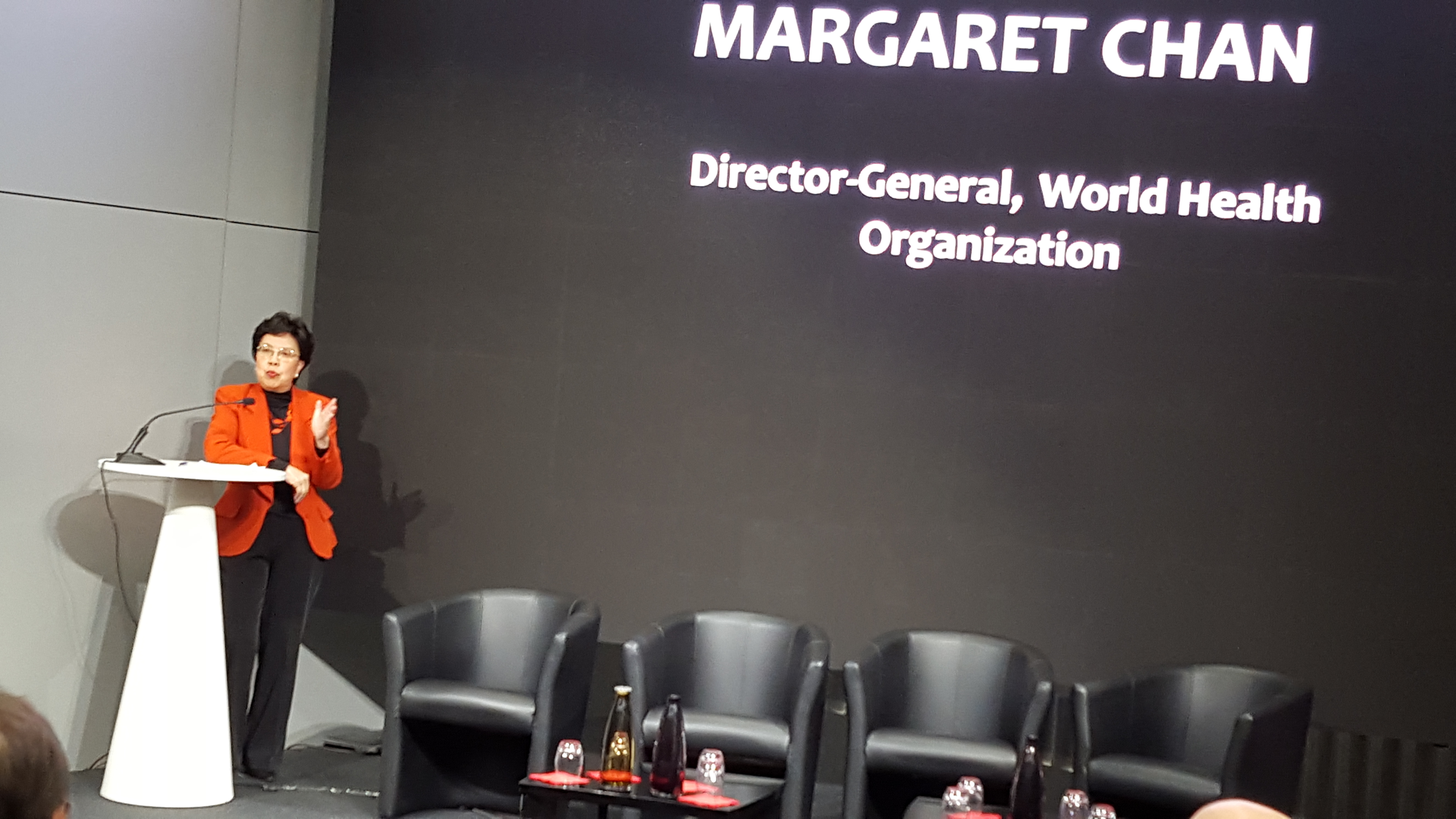
Saying she could speak more freely outside of the World Health Organization, WHO Director General Margaret Chan today told a gathering of think tank representatives at the Graduate Institute of Geneva that intellectual property rights may be unfairly driving up drug prices and that industry lobbying may be interfering with governments' efforts to take action on behalf of their citizens' public health.

WIPO IP Report: 3D Printing, Nanotechnology, Robotics – Next Ticket To Global Expansion?

Nanotechnologies, 3D printing and robotics are areas of potential breakthrough technologies, and mostly happening in the most developed countries, with China catching up, a World Intellectual Property Organization report has found. Knowledge-sharing is an important factor of innovation, facilitated by intellectual property, according to the report. However, the world may have reached its innovation peak and may have to content with low economic growth.

Review Of WIPO Technical Assistance, Four Years After Release, Still Stirs Up Development Committee

Intense negotiations are going on this week at the World Intellectual Property Organization over an external review of how the World Intellectual Property Organization delivers technical assistance on intellectual property to developing and least-developed countries. At stake is how to implement some of the recommendations suggested in the four-year old report.

Panel Looks At Patentability Criteria In Public Health

A recent workshop on patentability criteria illustrated how countries are using the policy space provided by international trade rules to calibrate their patent law. In particular, incremental innovation remains a trying issue for national legislators, speakers said.