Year 2015

Resisting The Law Of Greed

In 2011 in a small court in Ecuador’s Amazon jungle, a judge ordered the American oil giant Chevron to pay US$9 billion dollars in damages for pollution in the region that was caused by drilling activities in the 1970s and 1980s. The company quickly denounced landmark ruling as illegitimate. More than a year before the final ruling had been issued, Chevron had already taken steps to initiate an investor-state dispute against the Government of Ecuador under the terms of a US-Ecuador bilateral investment treaty (BIT). The company seeks to avoid paying the US$9 billion by convincing an international tribunal that the courts of Ecuador are corrupt and that the government is ultimately responsible for any environmental damage and associated health issues experienced by local residents, writes Kyla Tienhaara in Green Agenda.

Your “Reality” Must Be Original To Win Copyright Protection

Since the debut of Candid Camera in the late 1940s, unscripted television of varying genres (from game shows to documentaries) has been a staple of American television. Not until the worldwide success of shows such as Survivor, however, did the genre, and in particular the staged competition variety of unscripted “reality” television, become a dominant source of programming in the US market. Reality television often takes on a familiar pattern – as the season progresses contestants are eliminated by audience and “expert” votes leaving one person or couple to win the grand prize. The myriad ways in which to package this formula has no limits, and in light of the success of such shows, a vast number of people are creating and pitching what they believe to be both original and the next Survivor. And that leads to lawsuits.

No Need Of IPRs For Protecting Traditional Knowledge

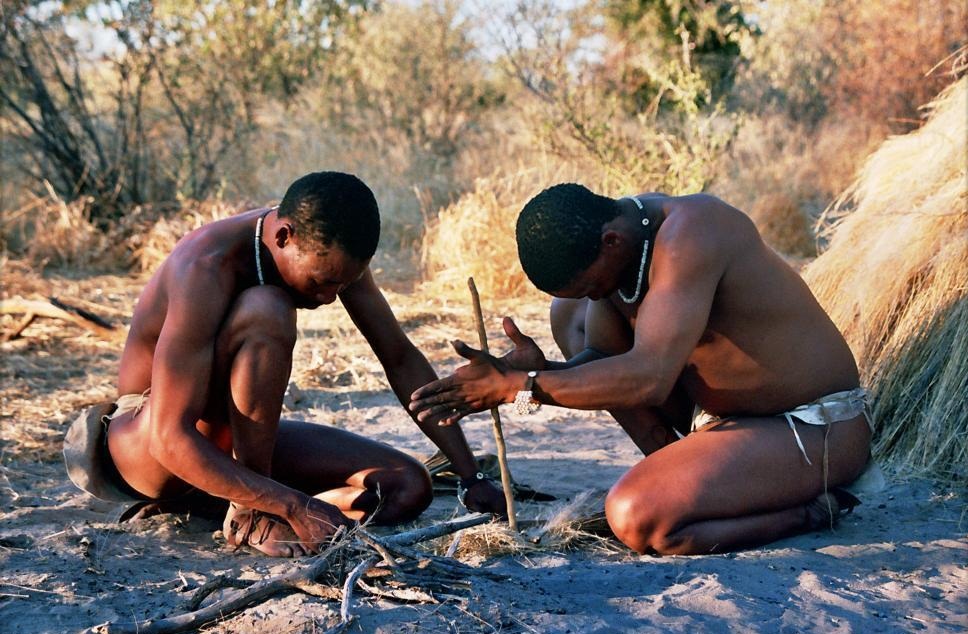
We should be careful in creating registrable rights on the traditional knowledge (TK) including traditional medicine practices and classifying TK under intellectual property rights, which are private exclusive rights operating like a monopoly in practice. Patents create private spaces in the knowledge arena (though for a short duration), and therefore no private appropriation should be allowed in the realm of TK, writes R.S. Praveen Raj.

Did Kendall And Kylie Jenner Know Outcome Of Their Domain Dispute Before Filing At WIPO?

Teens are way out front when it comes to tech stuff and the internet. So it's totally not surprising that American teen tv stars Kendall and Kylie Jenner announced winning their domain name disputes even before the disputes were filed at the World Intellectual Property Organization. The Jenner sisters are part of the "Keeping Up with the Kardashians" reality television show.

Former USPTO Director Kappos: Inventors Giving Up On Patent System After 200 Years

In a clarion call to policymakers, former United States Patent and Trademark Director David Kappos said recently that this year’s unprovoked drop in patent filings in the United States is unprecedented and signals a shift toward more secrecy by inventors trying to protect their ideas. Meanwhile, the US trend toward antitrust actions at home is having deleterious effects for US businesses overseas, he said.

Proposed PTAB Rules Provide Incremental Change

On August 20, the United States Patent and Trademark Office (USPTO) published proposed amendments to current rules governing trial practice before the Patent Trial and Appeal Board (PTAB) under the America Invents Act (AIA). The new proposals contain more substantive changes than the May package and while all parties will appreciate the USPTO clarifying various issues in the proposed rules, many patent owners may be underwhelmed with the real-world impact of the proposals, especially the portion dealing with motions to amend claims during AIA trials, write Jason Lohr and Stephen Shaw.