

Member states of the UN World Intellectual Property Organization, the global body for international IP policy issues, will vote on 6 March for the next WIPO director general for six years. Intellectual Property Watch asked the four candidates four key questions. Here are their responses.
Intellectual Property Watch is an independent news publication based in Geneva, Switzerland, which closely follows the activities of WIPO and international IP policymaking. The WIPO Coordination Committee will choose a candidate at its 6-7 March meeting. For more on the WIPO election process, see (IPW, WIPO, 3 February 2014).
The candidates are, in alphabetical order:
Current DG Francis Gurry (Australia)
Current Deputy DG Geoffrey Onyeama (Nigeria)
Ambassador Jüri Seilenthal (Estonia)
Ambassador Alfredo Suescum (Panama)
Their official nominations and CVs are available on the WIPO Coordination Committee website, here. IP-Watch reporting is here (IPW, WIPO, 6 December 2013).
—————————————————————————————————–
Intellectual Property Watch (IPW): What changes in the international IP system do you anticipate and what role would you see for the Organization in those?
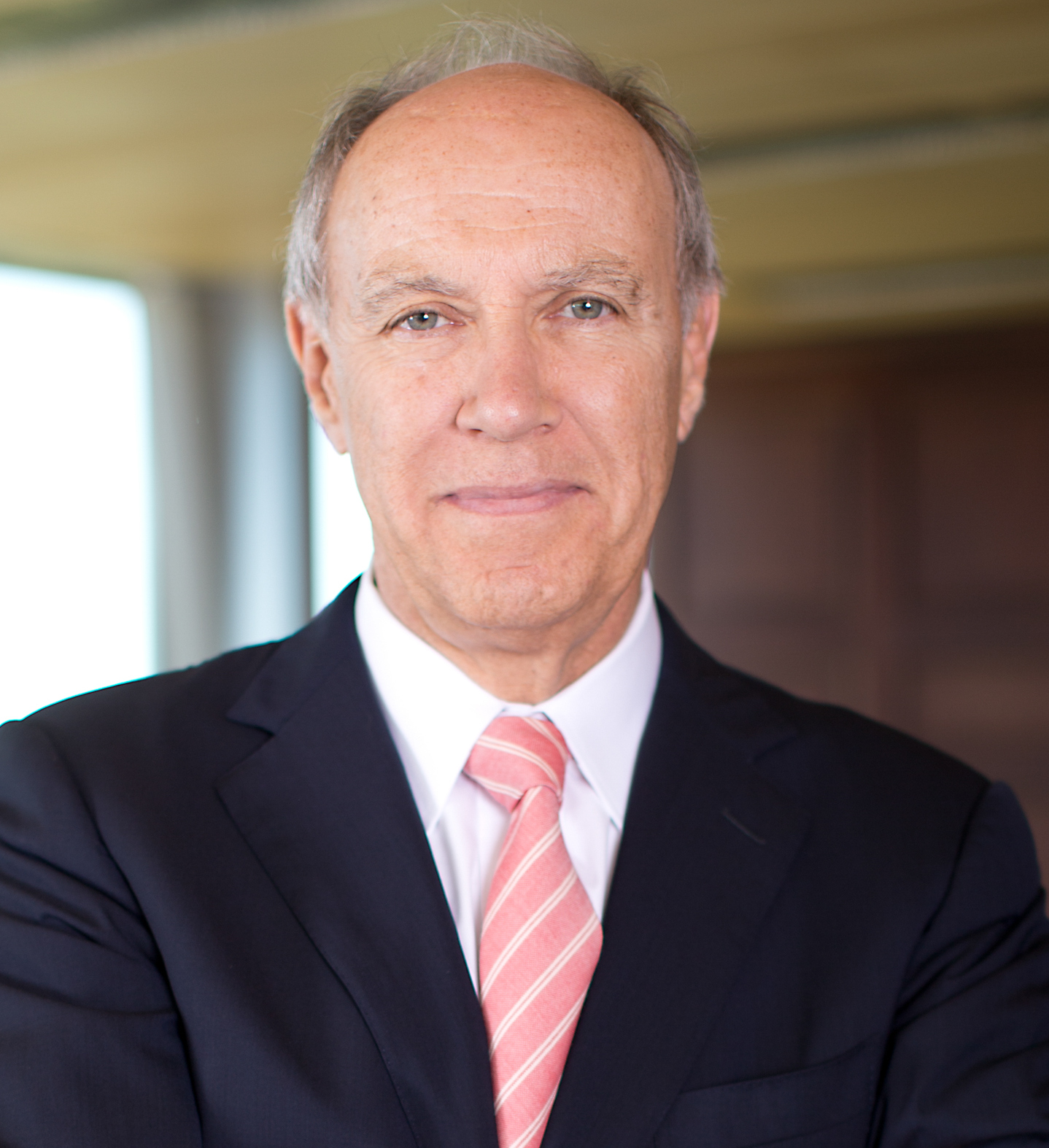
Francis Gurry: The changes that will occur in the international IP system will be those that are needed in response to the changes that are occurring in the economic and social context in which IP operates and for which it was designed. When one looks at that context, it is apparent that IP has moved from the periphery to the center of the economic system. This has occurred as a consequence of the increased economic importance of intellectual or knowledge-based capital. IP captures the competitive advantage that knowledge-based capital confers.
The centrality of IP in the economy has led to increased demand for IP titles and much greater focus on IP in economic strategy. This can be seen in IP statistics, which show that, in 2012, 2.35 million patent applications, 6.58 million trademark class applications and 1.22 million design applications were filed worldwide. Growths rates in IP applications continue to outperform the growth rate of the world economy. These volumes of applications make demand management a major priority to ensure the timely delivery of quality IP titles. This priority will see an expansion in the Global IP Systems of WIPO – the Patent Cooperation Treaty (PCT), the Madrid System for trademarks and the Hague System for designs. These systems will become more global in their participation, a tendency that we can see developing with, for example, the recent accessions of Colombia, India, Mexico, New Zealand, the Philippines and Tunisia to the Madrid System. The systems will also attract higher percentages of those applications that are filed in multiple countries as their global reach will make them more attractive and cost-effective.
The enhanced economic value and role of knowledge-based capital also means that innovation and IP are increasingly the focus of competition. There are many examples that illustrate this – the smartphone patent wars, competition for human resources and competition for the location of R&D facilities are but some instances of this development. This focus, together with increased globalization and the rapid pace of technological change, means that we will continue to see very active IP normative agendas at all levels – national, bilateral, regional, plurilateral and multilateral. Rules will be needed to ensure fair competition, an even playing field and adaptation to new technologies.
One could continue to analyze the changes that are occurring in the landscape in which IP operates – and there are many – but I shall limit myself to two that I have just mentioned as the most prominent and general.
IPW: What are the three biggest challenges facing WIPO that you would like to address, and how will you engage with Members and other stakeholders?
Gurry: The first challenge is maintaining the relevance of multilateralism to economic rule-making. I have just mentioned that I believe that the circumstances of competition, globalization and technological change will require active rule-making agendas. The question is where that rule-making will take place, to which the answer will most likely be “where results can be achieved”. There is always a risk that the necessary slowness of multilateral processes will cause States to lose patience with them and to prefer non-multilateral solutions. WIPO has performed very well in this regard recently, with two new multilateral treaties concluded in the last two years – the Beijing Treaty on Audiovisual Performances and the Marrakesh Treaty to Improve Access to Published Works for Persons who are Blind, Visually Impaired or otherwise Print Disabled. That is an excellent record and there is a rich pipeline of projects, including the proposed design law treaty; IP in relation to genetic resources, traditional knowledge and traditional cultural expressions; broadcasting; and the revision of the Lisbon Agreement for the Protection of Appellations of Origin and their International Registration. Consensus is, however, always a very fragile thing and much work, dialogue and negotiation is needed to obtain it or to maintain it. I do not think that I can give you a simple formula for this, particularly as it is preeminently an area where the Member States are sovereign. But I believe that the successes of Beijing and Marrakesh owed much to the identification of a problem or issue that was specific, manageable and needing of an international solution. In addition, the political will, commitment and engagement of the Member States were fundamental. Without that, nothing happens. I believe also that the alignment of the interests in the non-governmental area on the need to address the problem or issue identified for action was also essential. In the case of Beijing, this was principally the actors and the studios. In the case of Marrakesh, this was principally the publishers and the World Blind Union.
A second challenge is preserving the engagement of all parts of the membership in the Organization and in IP. I believe that we have very active and constructive engagement in this regard from the Member States, which is precious because, as I mentioned, without it, nothing goes forward. The challenge is to maintain that engagement across a very diverse membership with necessarily different and, sometimes, divergent interests. For this to happen, I believe that all Member States have to be able to feel that the Organization is delivering value to them and that their interests are being advanced in a balanced manner.
I shall be more specific about the third challenge. I see both great danger and great opportunity for copyright in the digital environment. Copyright has always been the principal market-based mechanism for the financing of cultural production. As we all know, the digital environment has introduced profound change as all content has migrated from the analogue environment to the digital one. While there is reason for more optimism now than ten years ago about the performance of copyright in this migration, and while digital sales are on the rise, the rise in digital sales does not appear to be commensurate with the decline in analogue sales. Some value is being lost in the process. I believe that the ultimate answer to this challenge will be to make it as easy to get content legally as it is to get is illegally, in other words a seamless, legal global digital marketplace for content. I believe also that his will happen in the course of time. The question for WIPO is how relevant the Organization will be to that development. Since the Organization was at the origin of the Berne Convention for the Protection of Literary and Artistic Works, which was the 19th Century response to the increased movement of creative works around the globe as a consequence of the wave of globalization in the last part of the 19th Century, it would be a pity if the Organization did not play an influential role in the development of the global digital marketplace for content. I would like to encourage the membership to embark upon a dialogue on this question, but it will need an innovative process because the role of governments in the establishment of the global digital marketplace will be a limited one, mainly one of guidance. The market will be made by the enterprise sector, which are the owners of the data that will form the basis of the market.
IPW: How do you see the future of the WIPO Development Agenda?
Gurry: I believe that a great deal of progress has been made over the past five years in stabilizing the Development Agenda and main-streaming it in the work of the Organization. When I started as Director General, the Development Agenda had just been adopted and consisted of 45 bare recommendations. Five years later, we have developed and executed 21 projects to operationalize those 45 recommendations and two new multilateral treaties (Beijing and Marrakesh) contain references to the Development Agenda. The future is very much in the hands of the member States, but, insofar as my views are relevant, I see the future in a constructive dialogue on the ways in which IP contributes to social and economic development and I see that dialogue, in turn, influencing the capacity-building and technical assistance programs of the Organization.
IPW: How will you help ensure WIPO leadership in international policy debates, and work with core constituencies and other global institutions?
Gurry: The world of IP is now a very complex one, with major economic and social values at stake. I believe that the first contribution that the Secretariat can make to ensuring WIPO’s leadership in such a complex context lies in providing neutral, professional information and studies to the global community to assist in promoting empirically based policy discussions. I established the role of the Chief Economist in WIPO and I believe that the Chief Economist and his colleagues have done a wonderful job in providing statistical reports, economic analyses and the Global Innovation Index to support the policy reflections, both individual and collective, of the Member States.
We have begun to establish a good track record on working with core constituencies and other global institutions. As I mentioned above, I believe that the alignment of the various interests in the non-governmental sector that surround a problem under discussion is essential for achieving a successful outcome on that problem. This means that an opportunity must be created to listen to those interests and it underlines, once again, how important consultation and dialogue are in reaching international solutions.
As far as other global institutions are concerned, an excellent collaboration has been established between WIPO, the World Health Organization and the World Trade Organization, expressed in particular through jointly sponsored seminars and a major study in which each Organization has brought its expertise to bear on the intersection of health, innovation and trade. A further consequence of the centrality of IP is that more and more areas come into contact, and even tension, with IP as technology pervades all the dimensions of our life and as property rights in relation to technology become, therefore, more apparent. This suggests that we shall need to engage with more and more international organizations. We must remember, however, that our role is always and only to provide neutral and professional information and expertise in support of processes in which IP might have arisen and be under discussion. These interactions between Secretariats should never be excuses for trying to make policy, which is the exclusive preserve of the Member States.
Intellectual Property Watch (IPW): What changes in the international IP system do you anticipate and what role would you see for the Organisation in those?
Geoffrey Onyeama: Changes in substantive IP laws to take account of the global challenges of: food security, access to medicines and the digital divide. The organization is best placed to assist in the formulation of IP-based responses to these issues, such as ensuring the availability of climate change agricultural technologies; moderating the relationship between patented medicines and generics; and facilitating the dissemination of digital-based education platforms.
IPW: What are the three biggest challenges facing WIPO that you would like to address, and how will you engage with members and other stakeholders?
Onyeama:
- The trend of plurilateral and bilateral IP norm-setting outside the existing international and inter-governmental organizations.
- Demands for greater regionalisation of IP legislation and administration to allow countries to pool resources and as a response to the power and influence of the existing IP power groupings.
- The demands of those countries which are the greatest funders of the international IP system that their financial contribution should be proportional to their influence within the organization.
Each of these problems is in part attributable to a perception that WIPO has lacked the flexibility to respond to the individual and regional interests of Member States. I propose to establish structures/committees to facilitate the engagement of the organization with these issues. The key is to present WIPO as a credible and effective alternative to the various ad-hoc and informal IP policy solutions.
IPW: How do you see the future of the WIPO Development Agenda?
Onyeama: The WIPO Development Agenda is a response to the concerns of some countries that the TRIPS Agreement and the current international IP landscape is less responsive to their needs than to the demands of industrialised countries. The concerns of developing countries and LDCs about technological imbalances and the role of IP in securing access to technology date back to the debates in the United Nations (UN) on the formulation of a New International Economic Order. The WIPO Development Agenda provides a useful structure within which to address these concerns provided it does accept the leadership role of the organization in these debates by providing those States with a more immediate access to the organization’s leadership team and making that leadership team more immediately accountable to its membership. WIPO has an established tradition of responsiveness to its core constituencies through its specialist standing committees. This tradition will continue through the establishment of further specialist committees as they are required.
IPW: How will you help ensure WIPO leadership in international policy debates, and work with core constituencies and other global institutions?
The modern IP landscape has become more complex as more international organizations and global institutions assert an IP competence, in fields as disparate as: agriculture, international trade, health, communications and education. WIPO is best placed to provide appropriate technical IP expertise to other global institutions particularly through the work of its specialist committees.
Intellectual Property Watch (IPW): What changes in the international IP system do you anticipate and what role would you see for the Organisation in those?
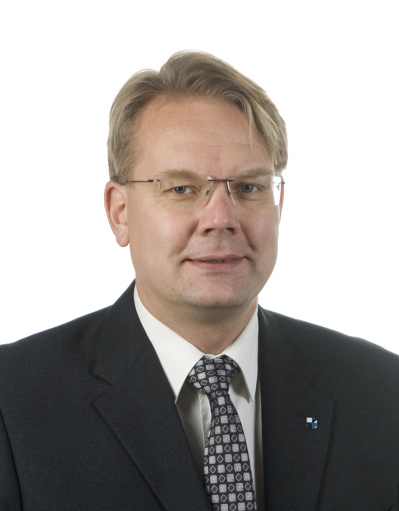
Jüri Seilenthal: It is of course very entertaining and at the same time hard to make estimations about the future. I am sure of one thing: the development of the IP system will depend on a large extent on the development of technology. This applies not only to patents, but also to other IP activities where the technology can be a real enabler – just to consider internet and the changes brought by it to the whole IP world, including the creative industries.
The development of the net is not over by any means, I think there is quite a lot to achieve for example in relation to secure identification of users, that would allow a development of a full range of new services and would also bring a reduction of transaction costs. If there would be a sure way to certify a person (should one wish), this would for example eliminate or limit credit card fraud. And there is! A good example is an electronic ID. The Estonian solution with a secure RSA2048 encryption, issued as an ID document by the state to all citizens provides a secure channel for transactions, including for example close to the heart of your readers, filing an electronic and legally valid patent application at our patent offices’ homepage – check out www.epa.ee !
The state will of course have to insure a safe and sustainable e-environment (and legal environment) for this kind of services to work.
We will see a lot of developments in the field of biotechnology. Though there are valid ethical concerns on some of those developments, I think there are fields that are not so influenced by that, and also I think we will see progress on sensitive issues as our understanding and attitudes develop and we understand the risks involved better.
Also, everything relating to green technologies will become an urgent priority as the climate risks keep increasing. This might be related to the net (grid) or bio (fuels), thus being interconnected issues.
The role of WIPO in the turbulent and accelerating future is first and foremost to be a reliable service provider. From the aspect of member States perspective, if the normative agenda needs changes or advancements, the secretariat should be ready and capable to assist if called. The good thing about future is we can not predict it exactly, so we can be sure we will be positively surprised.
IPW: What are the three biggest challenges facing WIPO that you would like to address, and how will you engage with members and other stakeholders?
Seilenthal: I strongly believe the member states have to be the driving force, as this is a UN organisation, thus the mandate comes from member states. So restoring the trust of the full membership will be the first priority.
Second, for a knowledge intensive workplace to actually work, and for people to be motivated the human relations field needs to be “demagnetized”. This means open and honest cooperation with all the staff, and more specifically the Staff Council and ones management team.
And third, the development agenda activities need to become more effective, we should introduce some controlled flexibility and a clear focus on taking the positive effects to the level of end users, ie IP community in developing countries and also measure that, including evaluating the improvement in participation in the system that is the ultimate test.
These aims are all important and need to be pursued simultaneously from day one.
IPW: How do you see the future of the WIPO Development Agenda?
Seilenthal: As long as we have development related issues there is a function for development agenda. So for the foreseeable future it will have a prominent place in WIPO. However, the more effective the development agenda is, the quicker it will reach its ultimate target, that all the developing countries reach sufficient levels of participation in the IP system and capable of advancing their interests.
If we accept that development is a continuum, as is widely recognised (maybe internet is one of exceptions) then it is important to help countries to take the first, second and third steps, because usually the 26th is not possible without the preceding ones. And a sound and effective IP system is like a skeleton that holds up the whole innovation sector which in its own turn supports a sophisticated production industry. Very similarly we can treat trademarks and copyright.
For the development agenda to become truly mainstreamed it also means increasing its effectiveness, where the two sides (service providers to users and development experts) need to be moulded together more tightly, as understanding better the work of the other side will also help achieve better results at ones’ own.
IPW: How will you help ensure WIPO leadership in international policy debates, and work with core constituencies and other global institutions?
Seilenthal: I believe WIPO is already amongst the leaders on IP matters, and recognised as the leading institution with a global remit. Being a UN organisations means it has its steady place in the global governance architecture. I think the best advertising is actually telling the facts – thus if WIPO continues to provide its core services on a good level and even improve them that also gives it clout to act as a discussion leader in the field of its own core competencies.
This said, I do not consider it necessary for WIPO to actively search an outstanding independent role in the main global policy debates, for example the whole process around MDGs in post-2015 agenda (also referred to as SDGs). I believe it is a crowded field anyway with all the UN member states involved and also some main organisations fighting for their prominent place among named goals. I believe WIPO’s subtle influence will rather derive from doing its bit at the best possible level, guaranteeing this small, specific but crucially important service of underpinning the global IP systems.
WIPO has to be a place open to all ideas and managed according to the highest standards of transparency and accountability. This will create a respected institution to participate in all debates even-handedly and positively for all sides involved.
ALFREDO SUESCUM ALFARO (PANAMA)
Intellectual Property Watch: What changes in the international IP system do you anticipate and what role would you see for the Organisation in those?
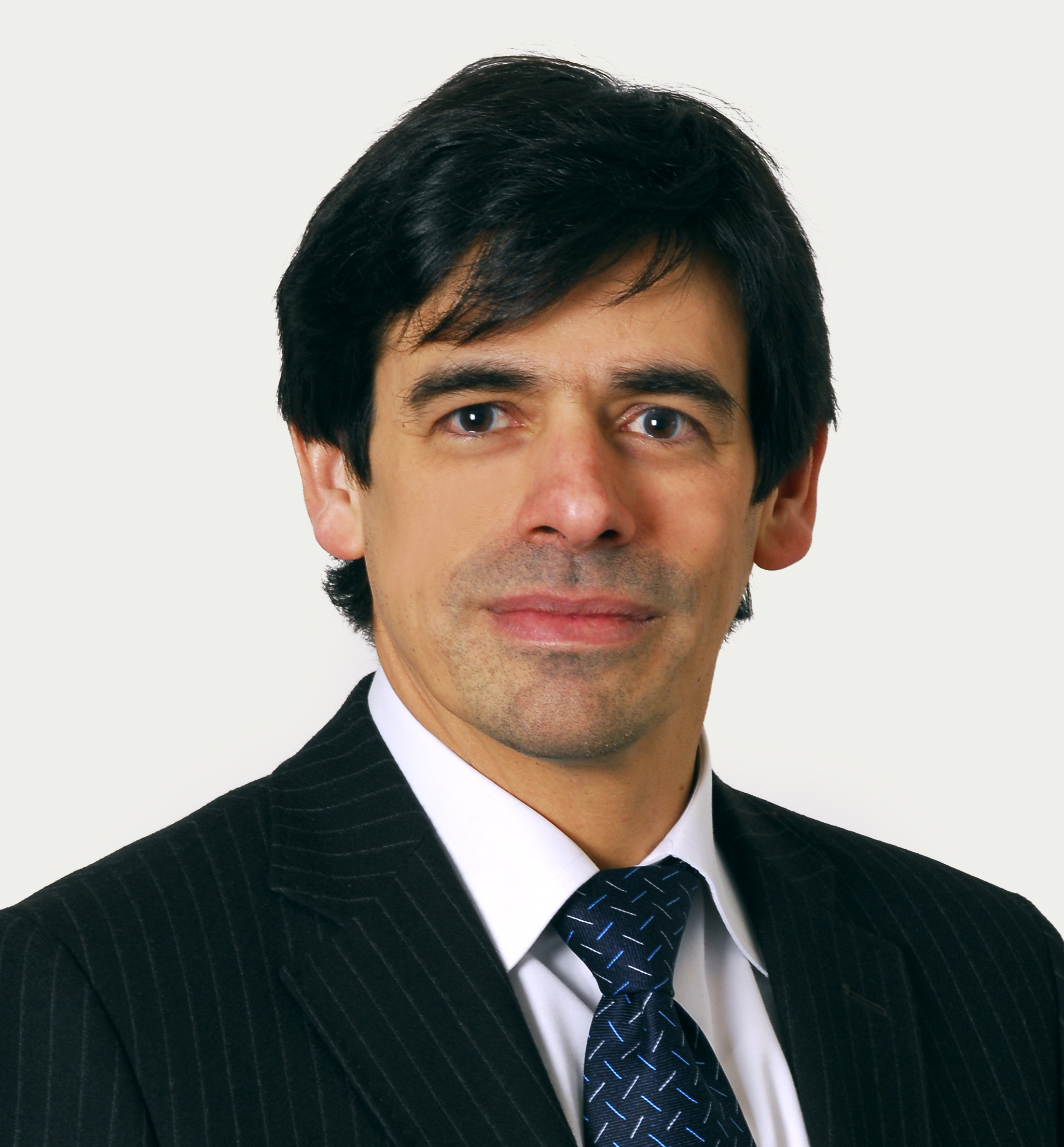
Alfredo Suescum: As the use of IP expands across borders, it creates an ever greater need for WIPO to help develop effective IP management systems, and to foster better understanding of how national legal frameworks address the issues that arise from globalization. Unless the international IP systems administered by WIPO can respond effectively to globalization´s challenges, users may call for alternate mechanisms for protecting IP. In this line, the growth in regional trade agreements with IP provisions creates a risk of reduced interest in membership in WIPO agreements, and diminished relevance for WIPO Members. WIPO must ensure increased membership in its agreements, based on benefits, rather than an obligation under bilateral or regional agreements. As Director General, I will work to see that national IP offices and other stakeholders can count on WIPO´s expertise to understand how to create value in IP, promote its use, foster further innovation, and face the challenges this presents.
IPW: What are the three biggest challenges facing WIPO that you would like to address, and how will you engage with members and other stakeholders?
Suescum: The principle challenges facing WIPO today concern how to enhance the Organization’s relevance for all its Members and stakeholders and to enhance transparency, accountability, and trust in the Secretariat.
One of the greatest challenges is to ensure WIPO has a clear vision and role in shaping solutions to global problems and emerging issues. Despite the obvious growing interest among the WIPO family regarding the role of IP in trade, health, education, agriculture, culture, etc, we are far from reaching common ground on how WIPO will participate in debates such as those shaping the post-2015 Millennium Development process. WIPO must be prepared to contribute a vision and ideas that ensure technology, innovation, and other expressions of human creativity are perceived by all WIPO Members as playing a crucial role in the lives of their people. If it fails to do so, other organizations without WIPO’s broad expertise will step in to fill the vacuum. As Director General, I will lead the Secretariat in helping to establish, through dialogue and transparent dealing with Member States, the IP community, and civil society, the trust necessary to build a common foundation for this vision.
While engaging in the discussion of these global and emerging issues, a second challenge is to improve the delivery of WIPO’s core services in administering its treaties and registration systems. As Director General, I will ensure that WIPO continues to provide high-quality services, while working to diversify its offerings, for example, by working to accelerate and being prepared to meet growth in the Madrid and Hague Systems. We must constantly upgrade our on-line services and training to ensure that users of all capabilities can use the systems efficiently and effectively. At the same time, we must consider changes in business procedures to control costs. As Director General, I will consult Members early in the budget setting process to seek their input on potential cost efficiencies and budget priorities. I will from the start include simple things – first class travel for the Director General is unnecessary. Moreover, I will instruct my staff to prepare Program and Budget documents that are clear and understandable, without ambiguity or hidden costs.
Third, WIPO must restore accountability with its Members, its staff and the global stakeholder community. As Director General, I will communicate early and often with the Members and other actors about the rationale for decisions proposed to be taken by the Secretariat. I will engage staff members at all levels, from senior managers to technical staff, to solicit their ideas on how to provide excellent service in current activities, and develop sensible approaches to new activities. Staff must be provided with a performance review system where incentives are seen to reward excellence and career advancement on this basis is achievable. Decisive short and medium term steps must be taken to ensure that the Secretariat is representative of the Membership, and hiring is based on merit.
IPW: How do you see the future of the WIPO Development Agenda?
Suescum: The Development Agenda was approved in 2007 by all Member States. The Director General and Secretariat should support the Members in their efforts to integrate the recommendations in the Organization’s work. Promotion of development is a charter principle, and a necessary element to ensure promotion of innovation and economic growth through the effective and balanced use of IP, which are also charter principles. Development initiatives create a virtuous cycle – the capacity to effectively use IP, fosters creation and innovation, which promotes putting in place protections that encourage knowledge sharing. In the context of regional trade agreements, this virtuous cycle increases the willingness to strengthen IP legal systems based its benefits, rather than out of sense of obligation to do so as the price to pay for market access.
Discussion within WIPO of development issues – IP’s challenges and benefits – must be bold and wide-ranging. As Director General, I will work in collaboration with the Members and other stakeholders, to devise strategies that move away from the current haphazard project-by-project approach to addressing development needs, towards a more coherent overarching framework to guide WIPO’s work on using IP as tool of development.
IPW: How will you help ensure WIPO leadership in international policy debates, and work with core constituencies and other global institutions?
Suescum: First, we must ensure that the Organization is fully present at the table where the debate is taking place, bearing a message consistent with the priorities and the goals of the Members. This requires that WIPO consult closely, regularly and systematically with Members and other stakeholders on their own visions of how the Organization can best fulfill its mandate to promote IP protection, innovation and development, in a manner that best suits each country’s circumstances, culture, and challenges.
I believe strongly in an open-door policy. The mechanics of this can include many tools, from traditional meetings to effective use of electronic collaboration and social media. The important thing is to enter into the exercise fully committed to make the interaction productive and valuable. Improved use of Facebook and Twitter, for example, can be useful for obtaining a general perspective on views from a broad base of interested parties and disseminating information to the public. More targeted but informal face-to-face meetings, in Geneva, regions or sub-regions, are also very valuable.
WIPO must also interact regularly with other international organizations and NGOs that specialize in subjects where IP can play an important and positive role. As Director General I will see that the Organization is proactive in contributing its world-class expertise with other organizations in targeted collaborations that create synergies for the good of all.
END
Catherine Saez contributed to this article.
[…] Interviews with the Candidates for WIPO Director General – IPWatch […]
[…] For IP-Watch interviews with all four, see (IPW, WIPO, 12 February 2014). […]
[…] Information on the candidates is here (IPW, WIPO, 12 February 2014). […]
[…] a 2014 interview (IPW, WIPO, 12 February 2014) with Intellectual Property Watch, Onyeama, who was WIPO DDG for the Development Sector, […]